

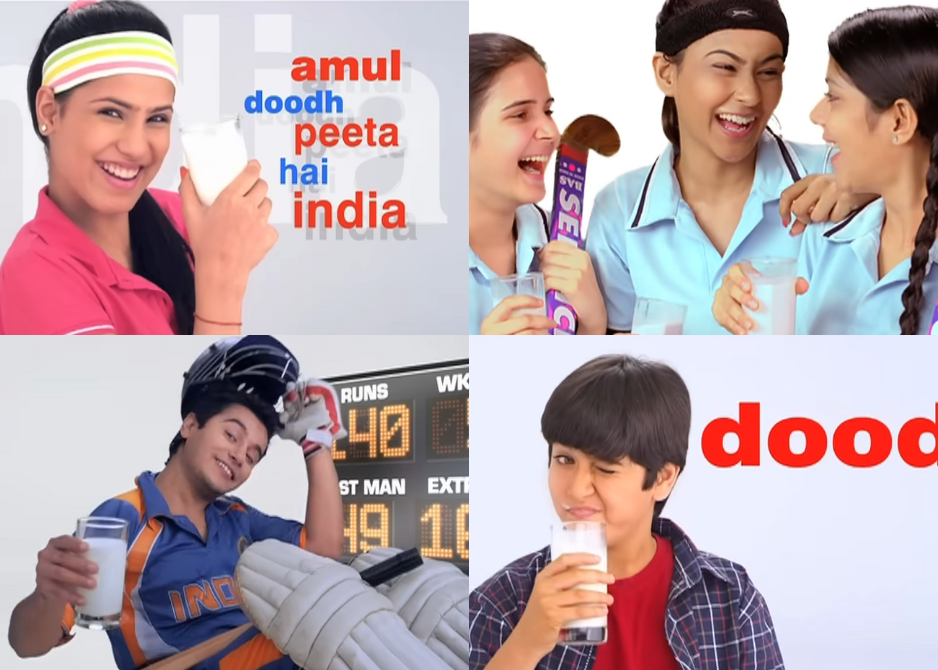
Picture this: you’re a kid, sitting on your couch in your school uniform, glass of milk half-full, when suddenly ‘Amul Doodh Peeta Hai India!’ the jingle bursts through the TV. Bet you sang along just like that. Now fast forward to your 20s, maybe nursing an overpriced cold brew, and guess what? You’re still singing it exactly the same way.
So what is it about this humble milk song that made it India’s unofficial childhood anthem? Why does it continue to show up in meme pages, brand nostalgia threads, and even marketing decks?
Let’s decode this iconic piece of audio Brand Beats style. Quirky, curious, and a little lactose-tolerant.
First things first, what’s the actual sound? Simple. A bunch of kids belting out a line that’s one part slogan, one part moral science lesson: ‘Amul Doodh Peeta Hai India’
It’s not subtle. It’s not ambient. It doesn’t whisper. It shouts. Cheerfully. It’s a classic old-school jingle. A relic from a time when ad breaks felt like mini-TV shows, and jingles were meant to be hummed in bathrooms or whenever your parents asked you to get milk and you sang it the exact same way as the jingle.
Where did we hear it?
You couldn’t escape this jingle even if you tried. It played everywhere from your grandma’s old TV during Doordarshan days to crackly radio sets in paan shops, and even before movies started in single-screen theatres. It was blasted from school loudspeakers during health week, sung in nutrition rallies, and if you grew up in a smaller town, you probably heard it playing from a loudspeaker on top of a van handing out Amul samples.
Fast forward to now, and the jingle lives on in a new avatar as nostalgia bait on YouTube, throwback reels on Instagram, and meme templates about desi childhoods making people remember if you remember this, remember your childhood was awesome. It never made it into apps or payment chimes, but honestly, it didn’t need to. The jingle wasn’t built for clicks, it was built for culture.
Who created it?
So, who’s the genius behind this earworm that’s been stuck in Indian heads for decades? Surprise it wasn’t some flashy ad agency with a director and unlimited coffee budgets. The ‘Amul Doodh Peeta Hai India’ jingle was the brainchild of Sylvester daCunha and his team at daCunha Communications, the creative force behind Amul’s most enduring campaigns
What was the intention behind it?
The jingle wasn’t trying to win. It had a much purer goal: make India drink more milk, and make them feel good about it. The idea was to turn Amul doodh into more than just milk into a badge of health, pride, and desi goodness.
By using cheerful kids and a chant-like hook, the brand tapped into both parental trust and national sentiment. The message? If you love India, drink Amul doodh. It was basically a nutritional pep talk disguised as a catchy tune.
The aim wasn’t to sound cool, it was to sound convincing. Warm, trustworthy, and deeply rooted in Indian values. It said, We’re not selling you a product, we’re fueling a nation. And honestly? Mission accomplished.
What psychological principle does it use?
Try this: someone says ‘Amul Doodh…’and before you know it, your brain finishes the sentence on autopilot. That’s not just childhood nostalgia that’s full-blown psychological sorcery.
This jingle used a deadly trio of memory tricks. First, repetition of one simple line, no drama, just hammered into your head like the roll number you had to recite in school.
Then came the kids’ voices cheerful, innocent, and full of conviction. No celeb drama, just pure, believable energy that made you go, Okay fine, I’ll drink it!
And finally, the masterstroke: emotional anchoring. This wasn’t just background noise; it was the soundtrack of your childhood cartoon breaks, steel tiffins, and school uniforms. So now, when you hear it? You don’t just remember it, you feel it. Like a warm glass of milk on a rainy day.
How does it fit the brand’s personality?
Imagine Amul as that warm, reliable friend who’s been around since childhood, nothing flashy, just pure comfort. The jingle? Exactly that. Friendly, simple, and nostalgic like your mom’s kitchen, not trying to be cool but totally beloved. It’s the brand’s audio hug.
How does it connect culturally?
This jingle speaks all Indian languages not literally, but emotionally. Hindi words, kids’ voices, and that all-India love for good old milk tie into memories from Chennai to Chandigarh. It’s like the soundtrack of every Indian school lunch, cricket match, and roadside tea break. Totally desi, totally evergreen.
Has it evolved over time?
Nope. It’s like your favourite old sweater with a few tiny fixes here and there, but basically the same warm vibe since forever. While ads flashier than a Bollywood dance number have come and gone, the jingle stays steady, proving some classics just don’t need a makeover.
How do users react to it?
Ask anyone over 25 and they’ll smile hearing it. It’s sticky but in a good way. Like that catchy tune you hum without realizing or the smell of your school canteen. It’s comforting, familiar, and never gets on your nerves. A rare win in the noisy ad world.
Did it influence other brands?
Oh, big time! Amul’s formula, simple jingle, kids’ voices, and emotional connect became a blueprint for Indian jingles everywhere. From Nirma to Rasna, the cute + catchy + desi vibe owes a lot to Amul’s success. It’s the OG sonic influencer.
What does it say about the future of brand sound?
While brands race to sound techy and futuristic with AI voices and snappy app tones, Amul quietly reminds us that heart wins over hype. Authenticity, culture, and emotional roots that’s the sound of lasting brand love, no matter how much tech changes.
Brand Beats’ Take On This
In a world full of flashy, forgettable jingles, Amul’s tune is a gentle giant. It’s simple, sweet, and so deeply woven into India’s cultural fabric that it feels less like an ad and more like a collective memory. That’s the real magic of sonic branding when a sound becomes everyone’s story.