
Where It All Started
No boardrooms. No briefcases. Just two brothers, a handful of pigment emulsions, and a quiet fire to build something that would last.
It was 1954, Bombay was still finding its post-Independence rhythm, and Balvant Parekh, along with his brother Sushil, was running a small-scale trade in textile chemicals. Nothing flashy. Just honest work, pigment by pigment. But somewhere between shipments and invoices, the Parekh brothers began dreaming beyond the dye.

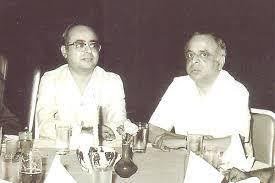
By 1959, that dream took form – Fevicol.
Not just a glue, but a solution to a very real problem: traditional animal-based adhesives were messy, inconsistent, and, well, outdated. What India needed was something synthetic, safe, reliable, something modern. And so, Fevicol was born, under what would soon be known as Pidilite Industries.
But here’s where it got interesting. Instead of chasing shelves and retailers, the Parekh brothers went where trust lived: the carpenters, the craftsmen, the people who made things with their hands. Fevicol didn’t just market itself, it introduced itself. Quietly. Genuinely. One handshake at a time.
Sticking Around – One Toolbox at a Time
By 1963, Fevicol had set up its first manufacturing plant in Kondivita, Mumbai, a modest facility at the time, but one that still stands today as the brand’s headquarters. What followed wasn’t an overnight boom, it was slow, steady, sticky growth.
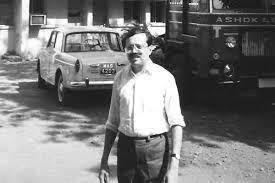
Through the 1970s, Fevicol began showing up everywhere in carpentry workshops, furniture factories, school classrooms, and eventually, in 30-gram tubes that fit just right into pencil boxes and office drawers. It wasn’t just about utility anymore it was about presence.
Fevicol was there when school kids made their science projects the night before submission. It was there when newlyweds furnished their first home. It was there when local artisans handcrafted dreams out of plywood and patience.
The Ad That Glued Itself to Our Memories
By the 1990s, India was opening up to markets, to media, to new possibilities. And Fevicol? It was ready.
In 1997, the brand aired its first television commercial, a now-iconic spot featuring an overcrowded bus held together by nothing but Fevicol. It was hilarious. It was memorable. It was genius.
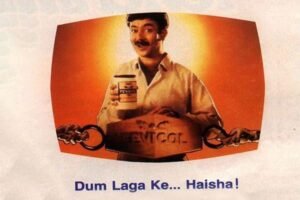
Suddenly, a brand that had quietly built trust for decades was now speaking the language of the people: funny, clever, confident. From that point on, Fevicol ads weren’t just ads, they were events. Every new campaign delivered not just a message, but a moment.
And while the laughs were loud, the message was clear: “Mazboot jod hai, tootega nahi.” (A bond so strong, it won’t break.)
More Than a Glue, A Cultural Icon
As the years went by, Fevicol evolved, but it never drifted. Newer variants like Fevicol Marine entered the market water-resistant, durable, and backed by the now-familiar tagline: “Wohi mazboot jod, paani mein bhi.” (The same strong bond, even in water.)
But by then, Fevicol had already become more than a product.
It was a metaphor. For relationships. For reliability. For anything that was meant to stay together.
Bollywood scripts name-dropped it. Stand-up comics joked about it. Even wedding invites used it as a punchline: “Fevicol jaisa jod hai hamara.”
Who They Spoke to and how it changed
What if a drop of glue could hold not just wood, but a nation’s trust?
That was Fevicol’s quiet ambition from the start to be more than just an adhesive. Born to replace unreliable animal glue with a clean, synthetic alternative, Fevicol didn’t just fix things; it changed behaviour. Soon, reaching for Fevicol became the natural response when something broke.
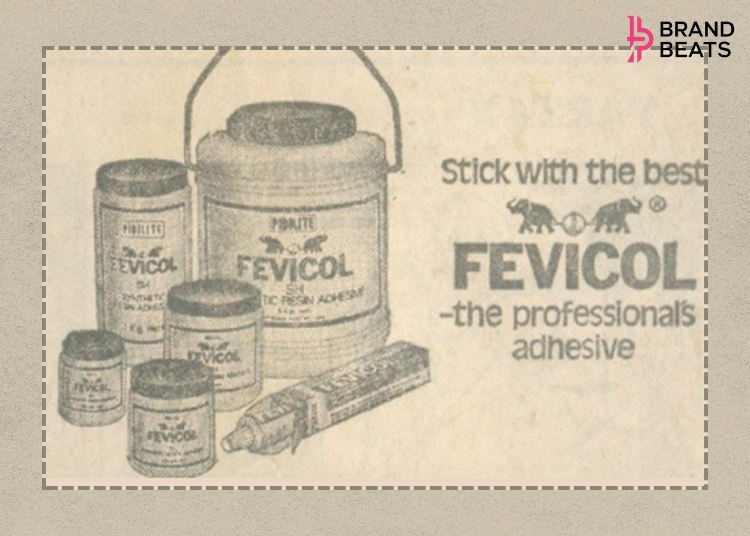
As India evolved, so did Fevicol’s mission. From being a dependable adhesive, it set out to own the entire category functionally, emotionally, culturally. With over 100 product variants and a distribution network that spans 97K dealers, 240K contractors, and 10K interior designers, the brand became a quiet but constant presence in lives across the country. Whether it was waterproof marine glue or pocket-sized tubes for schoolbags, Fevicol met every need before people even had to ask.
But long before it reached retail shelves or homes, Fevicol focused on where it mattered most – the hands of India’s carpenters and contractors. These were the real decision-makers, and the Parekh brothers knew that winning their trust meant earning a place in the market that no competitor could shake. So they didn’t just build a user base, they built a loyal community.
Over time, Fevicol moved from dusty workshops into homes, classrooms, and offices. It became part of childhood craft projects, home repairs, and large-scale construction. And thanks to its vast reach, it was always within arm’s length from cities to the most remote corners of India.
Because Fevicol never set out to be a product on a shelf.
It set out to be the bond people believed in.
The Story Behind Its Marketing Mastery (4Ps Analysis)
Over the decades, Fevicol has transformed from a basic glue into a household name, all because of its sharp understanding of the marketing mix. Let’s take a closer look at how the 4Ps of Marketing – Product, Price, Place, and Promotion have helped the brand in maintaining its iconic status.
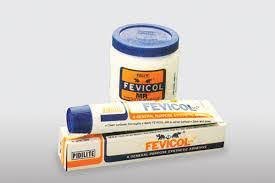
- Product – From introducing one single product Fevicol MR, a synthetic resin adhesive ideal for woodwork and carpentry, which soon became a default choice for carpenters across India to expand with specialized products like Fevicol Marine, Fevicol HeatX and SpeedX, catering to a range of technical needs, the brand didn’t stopped. What strengthened this product strategy was Fevicol’s focus on convenient packaging sizes from 20g tubes for DIY use to 50kg drums for industries making it relevant for every group.
- Price – Fevicol adopted a smart dual pricing model. While it maintained a premium image, it stayed accessible by offering small packs priced under Rs. 10 perfect for schoolchildren, hobbyists, and rural users. At the same time, bulk packaging and trade discounts made it affordable for carpenters, contractors, and furniture makers using it on a larger scale.
- Place – Whether you look for gum in a hardware store or e-commerce platform the chances are fevicol would ultimately pop up. Its success lies in a strong distribution network that reaches everywhere from big cities to remote towns, and even international markets across Asia, Africa, and the Middle East.
- Promotion: Fevicol has always stood out with its clever and humorous ads and campaigns that tell everyday stories people instantly connect with. Over time, the brand moved beyond TV and print, making a mark on social media too with memes, trends, and fun content on platforms like Instagram and YouTube, keeping it fresh and relatable for new-age audiences.
The Unbreakable Bond: Fevicol’s Insight and Storytelling Magic
From the very beginning, the brand understood that its true challenge wasn’t just to offer strong glue but to build trust in every bond it created. The real consumer pain point went beyond just strength; it was about finding a reliable solution in those everyday moments of worry. Imagine a child accidentally breaking a vase when no one’s around, or a carpenter nervously hoping the furniture he built holds steady through years of use.
This insight shaped creative strategies, which stands out for its humor, relatability, and culturally rooted storytelling. Rather than just highlighting product features, ads cleverly use everyday situations to create memorable metaphors like a bus full of people that somehow holds together, or an egg that refuses to crack. These scenarios are humorous yet instantly recognizable, making the brand both approachable and trustworthy. The messaging consistently reinforces the idea of an “unbreakable bond”.
With taglines like “Fevicol ka mazboot jod, toote nahi” and campaigns that spoke directly to Indian homes, Fevicol crafted a brand voice that’s playful, heartfelt, and deeply connected to its audience proving that sometimes, it’s the smallest drop that holds the strongest bond.
Fevicol’s Timeless Bond: From Classic Ads to Digital Dialogues
Step back to the late 1990s and early 2000s a time when television ruled India’s living rooms. Fevicol captured hearts with ads that were simple, humorous, and unforgettable. Who could forget the legendary “Overloaded Bus” ad? A bus full of people, yet not falling apart. This wasn’t just a commercial; it was a storytelling masterstroke that made strength and reliability relatable to millions.
Television was the flagship platform. Fevicol’s ads told everyday tales with warmth and a style that earned a special place in Indian households. Print ads mirrored this with creative visuals like a sofa stubbornly glued to a cracked wall, a quirky metaphor that made Fevicol synonymous with unbreakable bonds.
But as India’s media landscape transformed, so did Fevicol. The brand was cautious at first, mostly uploading popular TVCs on YouTube. However, by the late 2010s and into the 2020s, Fevicol embraced social media’s full power. Instagram and YouTube became stages for fresh, trend-savvy campaigns. The “Tug of War” campaign on Instagram Reels invited users to virtually test Fevicol’s strength in a playful competition. This shift signaled Fevicol’s transition from being a product you hear about on TV to a brand you interact with online.
Fevicol’s social media channels evolved from passive broadcasting to active conversations. On Instagram and Facebook, the brand regularly taps into trending memes and culturally relevant moments,their YouTube page now hosts mini-web series, DIY tips, and behind-the-scenes glimpses, making the brand feel accessible and modern without losing its signature charm.
Outdoor advertising, once dominated by large, static billboards, grew more experiential too. The old ads, like the famous sofa stuck on a cracked wall, were replaced by engaging activations like the “Game of Chairs” at rural sports festivals. These installations didn’t just advertise; they invited people to step in and experience the brand physically, bridging the gap between message and moment.
On radio, Fevicol’s catchy jingles gave way to interactive campaigns with local influencers and storytelling contests, keeping the brand voice lively and community-focused even in the age of podcasts and digital audio.
Challenges Along the Way
No doubt, Fevicol has been the monopoly of the glue industry for 66 years but the path has not always been smooth. With the rise of local adhesive brands offering lower prices and similar claims, maintaining brand loyalty like SuryaBond or TigerBond—especially in rural and semi-urban areas has become tougher.
Additionally, as DIY culture and digital purchasing habits expand, Fevicol must cater to a new generation of consumers who may not carry the same emotional connection to the brand’s legacy. Adapting its communication for Gen Z, staying relevant in digital-first environments, and combating counterfeit products in smaller markets are ongoing hurdles.
When Great Ads Turn Into Growth: How Fevicol’s Campaigns Delivered Real Results and Won hearts
In the final quarter of FY25, Pidilite (Fevicol’s parent company) made a strategic choice: increase marketing and promotion spend to 5.4% of net sales, up from 4.7% the year before. This step was more than just advertising; it fueled demand and helped maintain EBITDA margins at a solid 20.6%, even in a higher-spend period. By the end of Q4, Pidilite delivered 10.2% revenue growth and 9.8% underlying volume growth (UVG) across its businesses. Within that, the Consumer & Bazaar segment (where Fevicol is key) grew by 8%, while B2B adhesives soared with 16.4% UVG.
Fevicol’s legacy has been celebrated with some of the most prestigious creative awards in the industry. One of its early international triumphs came in 2002, when the iconic Fevicol Bus ad won a Silver Lion at the Cannes Lions International Festival of Creativity, putting Indian advertising on the global map. Fast forward to 2010, its quirky “Moochwali” ad, highlighting Fevicol’s strength through a bride’s glued-on moustache, won at the Effie Awards for advertising effectiveness. The nostalgia-driven “Barson Se Barson Tak” campaign in 2020, celebrating 60 years of the brand, earned Fevicol the Brand Campaign of the Year at the CNBC-TV18 Indian Business Leader Awards. More recently, in 2023, Fevicol struck digital gold with campaigns like “Fevicol Bindi” and moment-led content, winning a Baby Elephant at Kyoorius and Gold at the Campaign Digital Crest Awards, further proving that even after decades, proving that even after decades, Fevicol’s creativity hasn’t just stuck; it’s stood out.
Competitor Landscape
Fevicol leads India’s adhesive market but faces stiff competition from strong Indian players like Anabond, Astral Adhesives, and Jubilant’s Euro7000, other in-house brands like FeviKwik and Dr. Fixit compete internally within categories each carving out niches with specialized products. Even Araldite, originally global, has become a familiar name in Indian homes, making the battle for stickiness truly national.
What Marketers Can Learn from Fevicol’s Unbreakable Bond
We can learn that building a strong brand isn’t just about flashy endorsements, it’s about creating authentic stories that truly connect with people’s everyday lives. Fevicol proves that consistency, emotional bonding, and smart use of evolving media can build lasting loyalty. Moving forward, brands that focus on real engagement and adaptability, rather than just star power, will be the ones that stick with consumers for the long haul.
Brand Beats’ Take
Building a brand like Fevicol isn’t about flashy logos, it’s about knowing your audience, solving real problems, and telling stories that stick. When people think “fix it,” they see the blue and white elephant as a symbol of an unbreakable bond of trust.