
In the age of social media, some of the most memorable marketing campaigns weren’t planned months in advance, backed by celebrity endorsements, or supported by multi-million-dollar media budgets. They were born in a matter of minutes.
A clever comeback. A perfectly timed response. A witty observation tucked beneath a tweet.
What makes these moments remarkable is that they don’t feel like advertising at all. Instead, they feel like brands joining the conversation as people reacting to culture, embracing humor, and showing personality when everyone else is busy selling.
Over the years, a handful of brands have mastered this art so well that a single social media reply generated more buzz than entire advertising campaigns. From handing out free nuggets to turning product mishaps into marketing gold, these moments prove that sometimes the internet rewards quick thinking more than careful planning.
Here are six times a brand’s social response went viral and became a marketing masterclass.
1. Wendy’s Turned a Teen’s Nugget Request Into Internet History
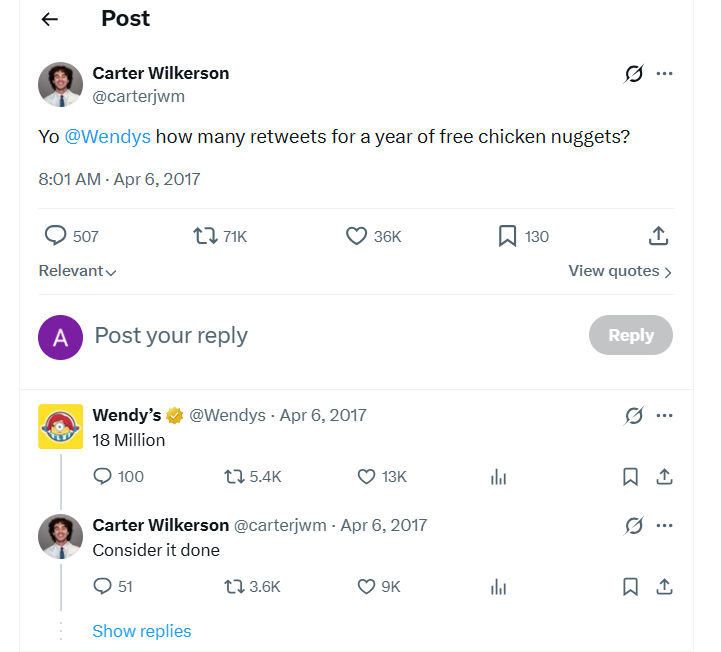
In 2017, an American teenager named Carter Wilkerson tweeted Wendy’s with a simple question:
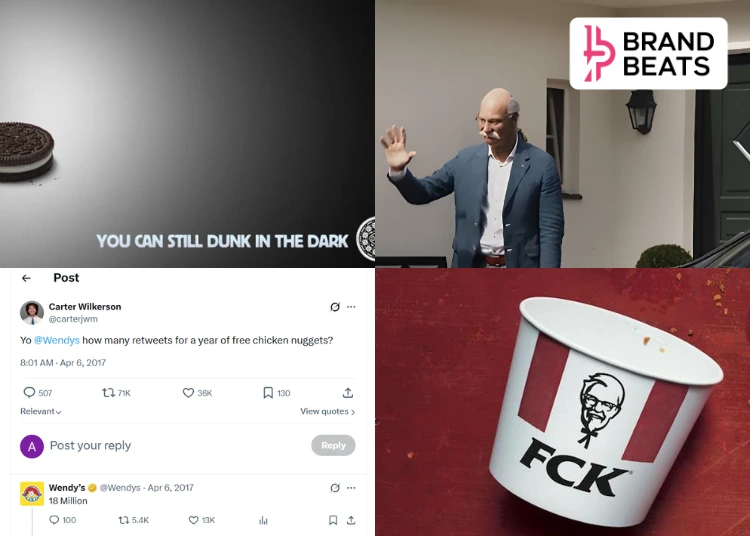
“Yo @Wendys, how many retweets for a year of free chicken nuggets?”
Most brands would’ve ignored the tweet or replied with a generic answer.
Wendy’s chose a different route.
Its response was blunt, unexpected and hilarious:
“18 million.”
The internet instantly accepted the challenge.
What started as a casual exchange snowballed into a global movement, attracting celebrities, brands, media outlets and millions of social media users. The tweet eventually became one of the most-retweeted posts in Twitter history.
2. Oreo’s “Dunk In The Dark” Became the Gold Standard for Real-Time Marketing
During the 2013 Super Bowl, an unexpected power outage plunged the stadium into darkness.
While millions of viewers waited for the game to resume, Oreo’s social media team saw an opportunity.
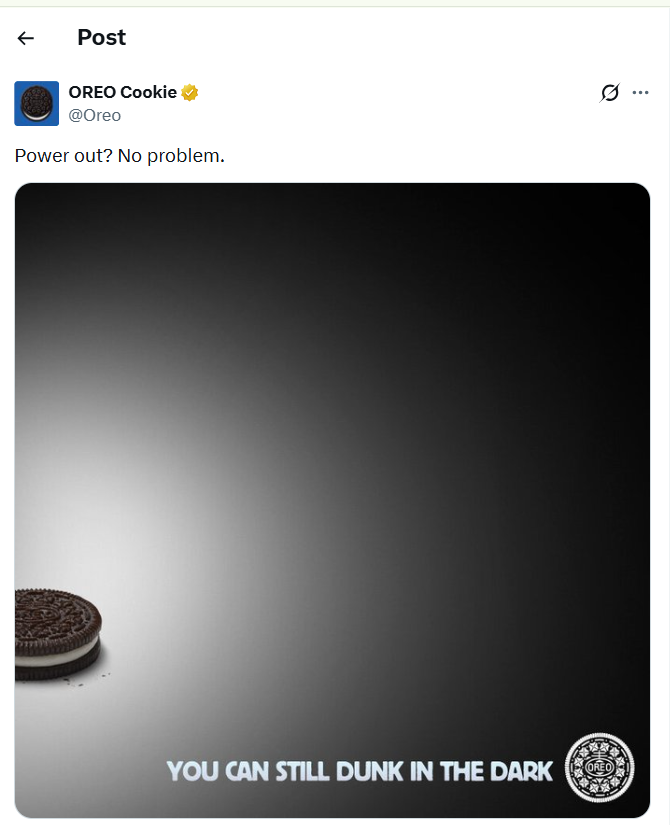
Within minutes, the brand posted a simple image accompanied by a line that would enter marketing history:
“Power out? No problem. You can still dunk in the dark.”
The brilliance wasn’t just in the joke.
It was in the speed.
While other advertisers had spent millions on television spots, Oreo stole the spotlight with a tweet created in real time. The post spread rapidly across social media and became one of the most cited examples of agile marketing ever.
3. KFC Turned a Chicken Shortage Into an Advertising Triumph
Few brand crises are as embarrassing as a fried chicken chain running out of chicken.
That’s exactly what happened to KFC in the UK in 2018 when supply chain issues forced hundreds of outlets to temporarily shut their doors. Customers were furious. Social media was flooded with complaints and jokes.
Instead of issuing a lengthy corporate statement, KFC responded with one of the most memorable apologies in advertising history.
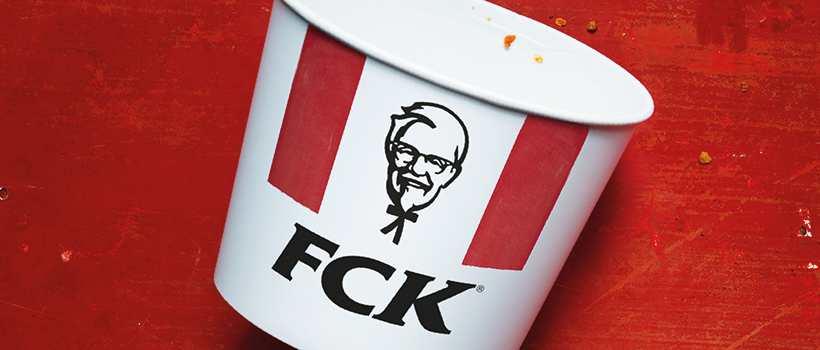
The brand rearranged the letters in its famous logo bucket to read:
“FCK.”
The self-deprecating apology acknowledged the problem, accepted responsibility and showed a sense of humor at a time when customers expected defensiveness.
The response was praised across the advertising industry and quickly went viral worldwide.
By leaning into the mistake rather than hiding from it, KFC demonstrated how honesty and humility can sometimes be a brand’s most powerful tools.
4. BMW’s Farewell to Mercedes Proved Competitors Can Win Together
Brand rivalries are often loud, aggressive and competitive.
BMW chose elegance instead.
When long-serving Mercedes-Benz CEO Dieter Zetsche retired in 2019, BMW published a farewell video congratulating him on his retirement.
The message ended with a clever twist.
After leaving Mercedes, Zetsche is shown driving away in a Mercedes-Benz before arriving home and stepping into a BMW.
The accompanying social media message thanked him for decades of competition and wished him well.
The post quickly went viral, not because it mocked a rival but because it celebrated one.
Retirement is when you can leave your past behind and embrace your future. 😉#BMW #Mercedes #Zetschehttps://t.co/S0njE4CNfp pic.twitter.com/wK1sLm2gS8
— BMW (@BMW) May 22, 2019
5. KitKat’s “Bendgate” Tweet Snapped Up the Internet
In 2014, Apple found itself facing an unusual controversy.
Users began posting photos showing that the newly launched iPhone 6 could bend under pressure, sparking what became known online as “Bendgate.”
As the internet filled with jokes and memes, KitKat saw an opening.
The chocolate brand posted a simple image of its iconic wafer fingers alongside a line that perfectly connected the trending topic to its product:
“We don’t bend. We break.”
The tweet was clever, timely and unmistakably on-brand.
More importantly, it required no explanation.
The internet immediately understood the joke, helping the post rack up massive engagement and widespread media coverage. In fact, the tweet generated such strong traction that it surpassed engagement figures associated with several famous real-time marketing campaigns.
KitKat proved that the most effective social media responses are often the simplest.
We don’t bend, we #break.
#bendgate #iPhone6plus pic.twitter.com/uippCg4kCi— KITKAT (@KITKAT) September 24, 2014
Social media has fundamentally changed how brands communicate. The most successful companies no longer rely solely on polished campaigns and carefully scripted messaging. They react, participate and, when the moment calls for it, improvise.
Whether it was Wendy’s turning a teenager’s request into internet history, Oreo capitalising on a blackout, BMW saluting a competitor, or KitKat seizing a viral controversy, each example shared one thing in common: timing.
Because on social media, the difference between a reply and a marketing legend is often just a few words typed at exactly the right moment.