

Where It All Started – The LEGO Origin Story
Let’s be honest, childhood wasn’t about taxes, deadlines, or 10-minute grocery runs. It was about tiny feet, big dreams, and the pure joy of building something out of nothing. Whether it was a spaceship, a tower taller than your sibling, or just a multicolored blob you swore was a dragon LEGO was never just a toy. It was an imagination you could hold in your hand.
But before it becomes the go-to gift, the weekend ritual, or the reason you’ve stepped on more bricks than you’ve counted calories, let’s rewind.
The year: 1932.
The place: Billund, Denmark.
The man: Ole Kirk Christiansen, a carpenter with calloused hands, quiet grit, and a dream he hadn’t fully built yet.

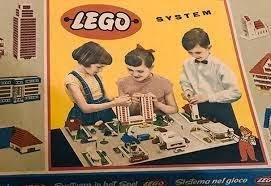

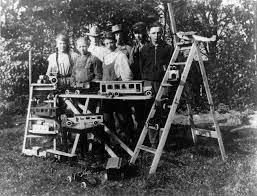
Money was tight. The Great Depression wasn’t exactly the best time to launch a toy company. But Ole didn’t set out to make toys; he was just trying to stay afloat by crafting miniature wooden furniture. Turns out, kids liked the mini stuff more than the real thing. So, like all great inventors, he pivoted.
By 1934, the brand had a name: LEGO, from the Danish “leg godt,” meaning “play well.” (Thank God he skipped the runner-up name, LEGIO which sounds more Roman army, less recess.)
Then came the magic moment: 1958. The year LEGO introduced its iconic interlocking brick complete with those satisfying little tubes that click. It wasn’t just a design tweak, it was the soul of LEGO snapping into place. That exact design? Still works today. A brick from the ‘60s fits perfectly with one from 2025. Because LEGO isn’t just timeless. It’s engineered that way.
From wooden ducks to global theme parks, from shaky towers to architectural masterpieces, LEGO grew with us. It wasn’t just a toy we played with. It was a toy that played back encouraging creativity, resilience, and the patience to rebuild when everything collapsed (literally).
And now, decades later, whether you’re a kid discovering your first set or an adult rediscovering your inner child one brick at a time, LEGO still knows how to build joy.
Who They Spoke To (and How It Changed)
When LEGO first started stacking bricks, their audience was simple: kids and families. The message? Here’s a toy that sparks your imagination and keeps you busy for hours. It was all about creative, screen-free fun, with parents loving the educational twist. Think of it as the OG screen-free fun.
But LEGO grew up, and so did its fans. Enter the Adult Fans of LEGO (AFOLs) grown-ups who build intricate castles, spaceships, and entire cities from those same colourful bricks. LEGO welcomed this unexpected cult following, crafting sets and experiences just for adults who never stopped playing.
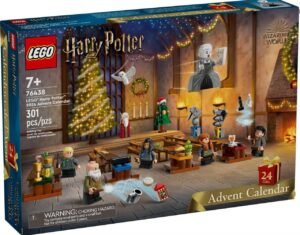
Around this time, LEGO also got savvy about audience interests. Whether you’re into Star Wars, Harry Potter, or architecture, there’s a LEGO universe built just for you.

And what about India?
Well in India, LEGO’s story was a bit different. For years, it was seen as a premium, niche toy the kind you got as a special gift in upscale stores or through imports. The audience was primarily urban, affluent parents who believed in the educational and creative value of LEGO but struggled with the premium price tags.
But recently, LEGO flipped the game. They started talking directly to young, digital-savvy parents who want the best for their kids but live in a fast-paced, mobile-first world. Campaigns like the star-studded #FeelingGenerous with Karan Johar connected LEGO with Indian gifting culture and emotional storytelling because let’s face it, gifting in India is as much about feelings as it is about the gift itself.
LEGO also partnered with e-commerce and quick commerce platforms like Amazon and Blinkit, making it easier for families to get their hands on bricks during busy days or special occasions.
View this post on Instagram
View this post on Instagram
View this post on Instagram
The Story Behind Its Marketing Mastery (4Ps Analysis)
Ever wondered how a tiny plastic brick turned into one of the world’s most beloved, collected, and accidentally stepped-on toys? From childhood favourite to adult obsession, LEGO now lives on bookshelves, coffee tables, and collector’s showcases worldwide.
But like every great build, LEGO didn’t come together overnight. It was assembled brick by brick, powered by a marketing masterclass in the 4Ps: Product, Price, Place, and Promotion.
Let’s break it down, set by set.
Product – More Than Just a Brick
At first glance, just a plastic brick but LEGO is a system. Since its 1958 patent, every piece still fits perfectly, building a legacy in plastic. From simple sets to worlds like Star Wars and Harry Potter, LEGO has grown from playtime to passion, teaching STEM, robotics, and coding.
In India, LEGO is more than entertainment. Millennial parents love its premium, screen-free creativity sets, while the Adult Fans of LEGO (AFOLs) community thrives with events and creator content on YouTube and Instagram.
Price – Premium, But Worth It
LEGO is expensive worldwide and in India, often seen as a luxury gift for milestones or airport treats. Collector sets can cost hundreds or resell for 5x their price.
But LEGO adapted with micro sets under Rs. 500 for easy gifting and impulse buys. Bigger sets remain pricey but deliver rich experiences, while festive bundles, tiered pricing, and collaborations offer options for every budget.
Place – From Shelves to Screens (and Speedy Deliveries)
Globally, LEGO dominates retail from LEGOLAND parks and certified stores to Walmart and Hamleys.
India was slower to catch on. LEGO was mostly an NRI gift or import luxury. Today, it’s in 350+ cities via Amazon, Flipkart, FirstCry, and Hamleys. Quick commerce partners like Blinkit and Instamart mean you can get LEGO bricks delivered fast even in tier 2 cities. LEGO is no longer just aspirational; it’s accessible.
Promotion – Stories That Stick
LEGO’s magic lies in storytelling. Globally, campaigns like Rebuild the World and Build to Give celebrate creativity and kindness.
In India, the #FeelingGenerous campaign with Karan Johar captured gifting as emotional currency highlighting moments of thanks, forgiveness, and bonding. Today, LEGO thrives beyond ads in Instagram Reels, parenting forums, creator videos, and memes winning hearts across generations and cultures.
Insight and Storytelling Magic
LEGO didn’t just sell toys. It sold imagination, brick by brick. The brand’s greatest strength? It understood that the real magic wasn’t in the product, it was in the possibilities it unlocked. That’s the core insight LEGO has built on for decades: Children don’t just want toys, they want worlds they can build, break, and rebuild again. And that insight wasn’t just reserved for kids.
Whether you’re a seven-year-old building a fire truck or a 37-year-old recreating the Home Alone house down to the last doorknob That’s why LEGO embraced storytelling formats across every medium short films, animation, branded games, even full-blown movies (The LEGO Movie is literally a masterclass in IP-driven storytelling). And it worked because the brand didn’t talk to its audience, it played with them.
In India, the magic had to be reinterpreted. For years, LEGO was seen as aspirational but not always accessible. The challenge? Convincing Indian parents that this wasn’t just a foreign toy, but a tool for learning, bonding, and emotional connection. So LEGO dug deep into Indian cultural insight: Gifting isn’t about the object it’s about the feeling behind it.”That’s where campaigns like #FeelingGenerous hit a storytelling sweet spot.
And here’s the clever twist: LEGO never told people what to build. It just gave them a reason to build. From UGC-led challenges and YouTube creator collabs to quickfire “build in 60 seconds” Reels, LEGO opened the stage to its audience. Their stories became LEGO’s stories.
From Classic Ads to Digital Dialogues
LEGO’s advertising journey went from straightforward product pitches to blockbuster storytelling. Early ads showed what you could build, but LEGO soon realised the magic was in what you could imagine.
Global hits like Rebuild the World and The LEGO Movie transformed toys into immersive universes, turning plastic bricks into Oscar-nominated storytelling.
In India, LEGO took a digital-first approach swapping jingles for joy and CTAs for creators. Campaigns like #FeelingGenerous and festive UGC tapped into cultural moments, making premium sets feel personal. From 30-second ads to 6-second reels, LEGO moved from shouting at audiences to speaking with communities, one brick-sized story at a time.
Challenges Along the Way
In 1960, a fire destroyed LEGO’s wooden toys. Instead of rebuilding, Godtfred Kirk Christiansen boldly decided to focus solely on plastic bricks. This caused a family split his brothers, who led the wooden toy division, left to start their own company, Bilofix.
In the early 2000s, LEGO was in full identity crisis mode. They tried to do everything and nearly lost everything. In 2003, the company was bleeding money to the tune of $800 million in losses and dangerously close to bankruptcy.
Kids once daydreamed with LEGO; now they’re glued to iPads. Facing rivals like Minecraft and TikTok, LEGO went digital with apps, games, and AR sets.
Made from durable ABS plastic, LEGO bricks aren’t eco-friendly. Attempts at recycled materials failed quality tests.
You know what’s worse than stepping on a LEGO? Realizing it’s not even LEGO. The brand has long battled cheap counterfeits knock-offs that look almost identical but don’t have the same safety or quality. It’s a constant fight to protect their IP while trying to keep prices competitive.
India is price-sensitive. When parents saw LEGO price tags, they gasped in three languages. High import duties + GST + licensing costs = one very expensive Diwali gift.
India introduced strict toy safety laws, requiring BIS certification and lab testing. Good for kids, bad for foreign toy companies trying to ship products fast. LEGO had to slow down, test more, and rework supply chains.
90% of the toy market is unorganized and ruthless.
Street markets sell toy sets for a fraction of the price. No box, no manual, but hey it builds something. Competing in a market dominated by cheap, unregulated toys? That’s a master-level LEGO challenge.
Lego in India: Ads That Clicked Harder Than the Bricks!
So, picture this: LEGO lands in India, a country where kids are building everything from pillow forts to lifelong careers in engineering. Naturally, it should be a match made in heaven, right? But in a market flooded with low-cost toy sets and parents who’d rather buy 3 math tuitions than one LEGO set, LEGO needed something special.
Enter: Campaigns that weren’t just ads, they were buildable blockbusters.
1. Karan Johar and the Great Gifting Glow-Up (2025)
When LEGO wanted to tug at India’s emotional heartstrings, they called in the big guns Karan Johar, aka Mr. Emotions, aka the man who made us cry over college romances.
The campaign wasn’t about toys. It was about memories. About how gifting LEGO is more than just giving a box, it’s giving a story to build. Johar kicked it off with a heartfelt Instagram post, using the hashtag #FeelingGenerous (and when KJo feels generous, you listen).
View this post on Instagram
2. Billboards, Bricks, and Branded Ubers: The Flagship Store Fiesta
When LEGO opened its first official store in India, they weren’t about to just cut a ribbon and call it a day. Delhi saw giant LEGO bricks popping up on billboards in Defence Colony, Cyber Hub, and other hotspots. There were branded Uber cabs zipping around with LEGO designs and a stop-motion film featuring a LEGO Minifigure exploring the city.
View this post on Instagram
3. The Amazon Mega Campaign:
Bricks in Your Cart, Fast! LEGO knew that India lives on online shopping (and impulse buys at 11 PM), so they partnered with Amazon Ads to get strategic. They used smart data like what kind of toys people searched for to show the right sets to the right people.
4. For World Play Day (11 June 2025)
LEGO India partnered with quick‑commerce platform Blinkit to enable nearly instant delivery of LEGO sets in 20+ cities. And the cherry on top? A social media contest where fans could share their Play Day moments to win more LEGO goodies.
Competitor Landscape
Imagine LEGO as the stylish, globally famous cousin stepping into India’s toy playground – cool and premium but a bit pricey. Meanwhile, local champs like Funskool know every neighborhood, every budget, and every auntie’s shopping list.
Imported stars like Mattel and Hasbro flash their Barbie dolls and Transformers, adding speed and sass. But the real wildcard? Millions of cheap knockoffs flooding street markets and online, mimicking LEGO’s look for less than lunch money.
With big retailers like Hamleys turning toy shopping into a theme park, LEGO’s not just building castles it’s building a brand fortress. The challenge? Stay premium, playful, and relatable in a market where price often beats prestige.
What Marketers Can Learn from LEGO’s Strategy
Here’s the marketer’s cheat code from LEGO’s playbook: it’s all about storytelling that sticks. LEGO doesn’t just sell toys they sell creativity, imagination, and learning wrapped up in colorful bricks. That emotional vibe? It’s what lets them keep premium prices, even in a price-conscious place like India. In other words, it’s not just a toy it’s the spark for endless possibilities.
Secondly, LEGO demonstrates the power of localization within a global brand framework. While maintaining its core brand identity, LEGO adapts to local cultures and preferences through campaigns which effectively blend Bollywood influence with LEGO’s gifting narrative.
Third, LEGO understands the importance of audience diversification. It has successfully expanded its target demographic beyond children by creating product lines for teenagers, adult hobbyists (AFOLs), and collectors. This not only broadens its market base but also stabilizes revenue across different audience segments.
LEGO also highlights how strategic retail experiences such as immersive store launches and experiential marketing can drive engagement and foot traffic, especially in markets where brand familiarity is still developing. Its collaboration with Blinkit, offering rapid LEGO delivery across Indian cities, showcases how brands can leverage quick-commerce platforms to boost convenience and trial.
Finally, LEGO emphasizes long-term brand trust through quality, safety, and design consistency. In an environment crowded with low-cost alternatives, this commitment differentiates the brand and builds consumer loyalty.
Brand Beats’ Take
LEGO’s secret? Selling imagination, not just toys proving premium works when wrapped in nostalgia and emotion. They nail local vibes while keeping global cool. From quick digital hits like Blinkit to real-world store magic, LEGO builds loyalty across all ages, especially with grown-up fans. The takeaway? Build your brand brick by brick, story by story, fan by fan.