

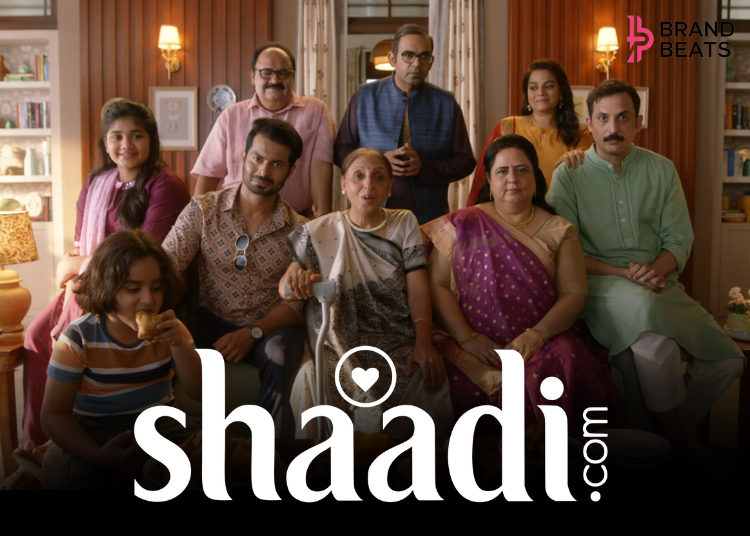
There was a time when Shaadi.com sounded like that serious uncle at family functions. Polite. Formal. Slightly intimidating. Everything was about “settling down,” bios were neat, promises were big, and the tone felt like a matrimonial column you read while pretending not to notice your parents hovering nearby.
It worked for that time.
But somewhere between dating apps, meme culture, and attention spans shorter than a wedding sangeet speech, the language around relationships changed. People stopped wanting instructions. They started wanting honesty. And Shaadi.com realised it couldn’t keep delivering lectures when everyone else was having conversations.
So instead of talking at people, it started talking like them. Less preaching, more noticing. Less promise, more punchline.
From Rishtas To Real Talk
Shaadi.com’s recent communication doesn’t try to convince you that marriage is great. It doesn’t even try to convince you to get married right now. What it does instead is quietly observe how marriage actually shows up in Indian lives.
The nosy relatives.
The delayed rishtas.
The awkward pressure disguised as concern.
The emotional chaos that lives somewhere between “beta ab kya plan hai?” and “shaadi kab?”
Instead of wrapping all this in sentiment, the brand treats it like a shared experience something everyone recognises but no one officially acknowledges. The tone feels less like matchmaking advice and more like a friend leaning in and saying, “Okay but why is everyone like this?”
That shift from selling solutions to reflecting realities is where the storytelling really begins.
OOH Ads That Sound Like Group Chat Messages
The most obvious place this storytelling shows up is outdoors.
Shaadi.com’s billboards don’t explain the platform. They don’t list benefits. They don’t even bother with context. They drop one line, trust the audience to get it, and move on.
Lines like:
“Doobna hi hai toh pyaar mein doobo, yahan nahin.”
“When your mom’s WhatsApp group fails, we don’t.”
“Still single? Maybe it’s time to meet someone who actually replies.”
“Looking for a green flag, not a gaslighter.”
These don’t feel like ad copy. They feel like thoughts you’ve already had just caught mid-scroll, printed on a billboard, and placed right where you can’t ignore them.
The brand isn’t creating drama here. It’s pointing at existing tension and letting people laugh at it.
Letting Tradition Breathe Instead Of Carrying It
What makes this approach work is that Shaadi.com doesn’t try to escape tradition or reinvent itself as something it’s not. It still stands firmly in the arranged-marriage space; it just refuses to sound stiff about it.
Instead of treating marriage like a sacred institution that must be spoken about carefully, the storytelling loosens the grip. Tradition becomes familiar instead of heavy. Cultural pressure turns into shared humour. The institution doesn’t disappear, it just stops taking itself so seriously.
That honesty makes the storytelling land. Because it doesn’t ask people to aspire to something new. It simply reflects what they’re already dealing with.
The Real Story Behind The Ads
This shift isn’t really about clever copy or smarter OOH placements. It’s about understanding how audiences engage with brands today.
People don’t want to be instructed. They want to be recognised. They don’t want brands to tell them what to do next. They want brands to acknowledge what they’re already feeling.
By turning everyday shaadi stress into observation instead of obligation, Shaadi.com moves from persuasion to participation. It doesn’t sell marriage. It comments on it one awkward conversation, one passive-aggressive question, one billboard at a time.
And in a category built on pressure, that lightness does more than any promise ever could.
Because sometimes, the strongest connection a brand can make isn’t between two people
it’s between a shared feeling and the courage to say it out loud.