
Some advertisements fade after the campaign ends. Others quietly become part of cultural memory. The iconic “Hum dono boyfriend-girlfriend hain kya?” A commercial by McDonald’s is one of those rare ads that audiences remember years later not because of flashy visuals or celebrity endorsements, but because it captured something incredibly simple and relatable: the innocence of first love.
Originally released in 2011 and created by DDB Mudra, the ad starred a young Sara Arjun in a scene that unfolded inside a McDonald’s outlet. Sitting across from a boy, she innocently asks the question that became the heart of the ad: “Hum dono boyfriend-girlfriend hain kya?” The boy refuses, explaining that girlfriends are demanding and expensive. The girl’s response is what turned the commercial into advertising gold, she simply says she only wanted a McAloo Tikki burger. The moment perfectly blends humour, heartbreak, and relatability, transforming a ₹25 burger into the sweetest peace offering in Indian advertising.
What made the ad powerful was its storytelling restraint. There was no heavy voiceover, dramatic music, or elaborate set design. Instead, the narrative relied on a small conversation between two children to convey emotion. In under a minute, the film captured the awkwardness of childhood relationships, the reality of limited pocket money, and the comfort of a simple fast-food treat. The burger wasn’t just food, it became a symbol of affection, compromise, and a child’s understanding of love.
Link to the previous ad:
Why It’s the Ad of the Week
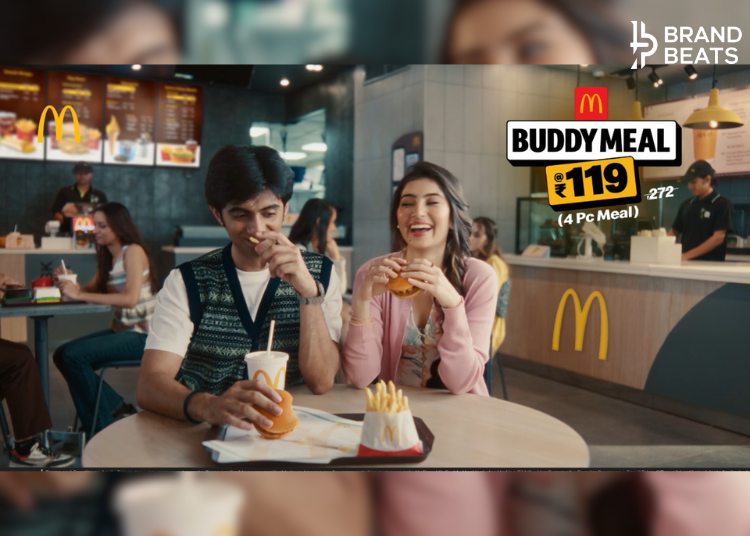
More than a decade later, the ad is suddenly everywhere again. The reason? Sara Arjun has returned as the brand ambassador for McDonald’s India – North and East, recreating the iconic scene in a new campaign for the Buddy Meal for two.
The new commercial cleverly flips the original narrative. This time, the grown-up Sara jokes about how modern relationships have become “too demanding,” echoing the line the boy once used on her in the childhood ad. When her friend admits that all he really wants is a McAloo Tikki, the film completes a nostalgic full circle and the ad is about the 4 pc meal at Rs 119.
This revival has sparked a wave of nostalgia online, with audiences rediscovering the original ad and sharing it across social media. For many millennials and Gen Z viewers, the ad represents a slice of childhood when McDonald’s outings felt like a treat and the ₹25 McAloo Tikki burger was one of the most affordable indulgences. The brand has effectively tapped into this emotional memory, turning nostalgia into a powerful marketing strategy.
Link to the Ad of the Week:
View this post on Instagram
The Advertising Genius Behind It
What makes this campaign particularly remarkable is how it turned a price point into a story. Instead of aggressively promoting affordability, the ad embedded the message organically into the narrative. When the boy realises he can afford the burger, the product becomes the resolution to the emotional conflict subtle, charming, and incredibly effective.
This storytelling approach reflects one of the most enduring principles of advertising: people remember feelings, not features. By associating the McAloo Tikki with warmth, innocence, and childhood memories, McDonald’s managed to elevate a simple potato burger into a cultural symbol of comfort food.