

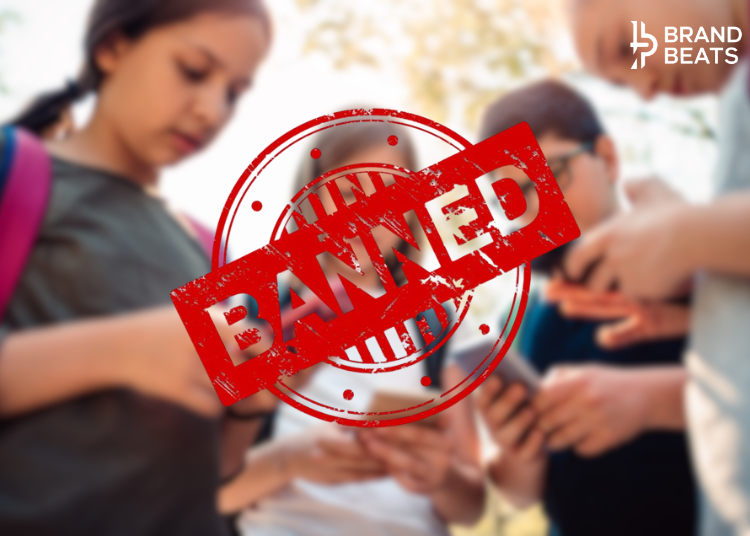
Indonesia has begun implementing a nationwide policy restricting social media access for children under the age of 16, marking a significant step in regulating digital consumption among minors. The move targets so-called “high-risk” platforms including TikTok, Instagram, Facebook, YouTube and Roblox where accounts belonging to underage users will be gradually deactivated or restricted as part of a phased rollout starting late March 2026.
The regulation is part of a broader child protection strategy aimed at tackling rising concerns around online addiction, cyberbullying, exposure to harmful content, and digital fraud. Authorities have described the situation as a “digital emergency,” underlining the urgency of intervention in a country where internet penetration among young users is rapidly increasing.
Under the new framework, children under 16 will be barred from creating or maintaining accounts on designated platforms, with tech companies expected to implement stricter age-verification systems and ensure compliance. The government has indicated that enforcement will happen in stages, with platforms required to identify and deactivate existing underage accounts.
While the move has been welcomed by parents and child safety advocates, it also raises questions around implementation. The policy places Indonesia among the first countries in Southeast Asia to introduce such sweeping restrictions, reflecting a broader global shift toward regulating children’s access to social media.
- Australia has already implemented a nationwide ban on under-16s, becoming the first country to enforce such a rule.
- France has moved to restrict access for users under 15, with stricter laws expected.
- Spain, Germany, and the UK are actively considering similar bans or regulations.
- Malaysia has announced plans to introduce a comparable under-16 restriction.
- Austria is also preparing legislation targeting social media use among younger users.
What was once seen as a tool for connection is increasingly being viewed through the lens of risk, regulation, and responsibility especially for younger users.