

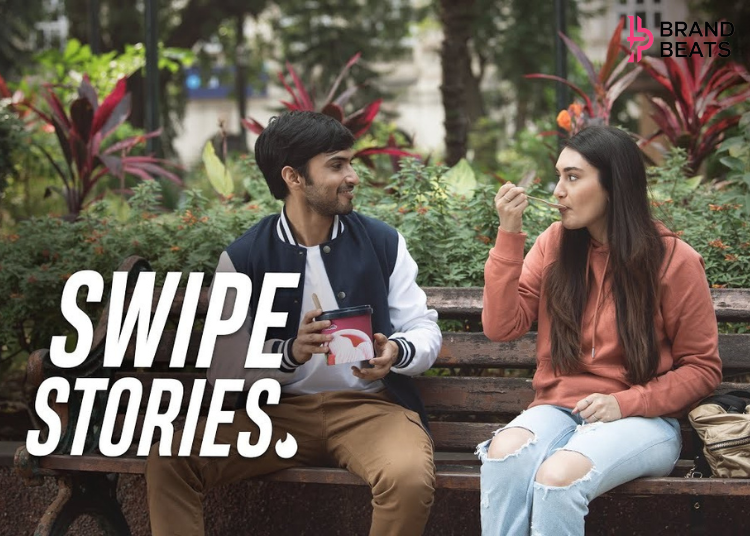
Modern dating is basically emotional whiplash. You start the day optimistic, end it convinced you should focus on “yourself” for the next five years.
This back-and-forth isn’t a personality glitch, it’s just how dating feels today and brands are starting to notice.
This shift from selling solutions to acknowledging emotions is one of the biggest changes in modern brand storytelling. Tinder India offers a sharp example of what that looks like in practice.
From Fixing Dating To Understanding It
Dating apps once marketed certainty. Find your match. Meet the one. Happily ever after, algorithmically guaranteed.
Tinder India quietly stepped away from that promise. Instead of positioning itself as the app that solves dating, it reframed itself as a brand that understands it.
That reframing sits at the core of Tinder India’s storytelling: don’t promise outcomes, acknowledge emotions.
The brand’s communication doesn’t chase romance; it chases recognition. Profiles read like disclaimers (“Certified green flag until proven beige”), memes dissect red flags with academic seriousness, and the feed feels less like marketing and more like a group chat that knows your dating history a little too well.
The story isn’t “you’ll find love here.”
The story is “dating is weird, confusing, and you’re not alone.”
Ads That Feel Like Internal Monologues
The billboards don’t explain themselves and that’s intentional. Short, sharp lines appear across cities and land like thoughts you didn’t realise were universal.
They don’t sell features or benefits. They observe behaviour: mixed signals, unserious intentions, emotional availability with an expiry date shorter than a free trial. Nothing is dramatised or resolved. It’s simply acknowledged.
If you get it, you get it.
If you don’t, the ad moves on.
That selectiveness is part of the storytelling.
View this post on Instagram
View this post on Instagram
Memes As Everyday Narratives
On social media, Tinder India extends the same logic through memes. These aren’t random jokes chasing engagement; they function like mini-episodes in an ongoing series about modern dating.
The talking stage.
The “let’s see where this goes” stage.
The “why did I reply?” stage.
Each meme captures a specific moment users recognise instantly. Over time, these moments stack up into a consistent worldview: dating is chaotic, mildly unserious, occasionally hopeful, and mostly confusing and that’s perfectly normal.
View this post on Instagram
One Voice, Everywhere
What makes this storytelling effective is consistency. The humour on billboards sounds like the humour on Instagram. The tone in campaigns mirrors the language users adopt in their bios. Nothing feels like a departure from character.
This consistency turns individual ads into chapters of a larger narrative. Tinder stops feeling like an app you open occasionally and starts feeling like a cultural moodboard, a place where dating feelings go to feel seen.
View this post on Instagram
Why This Works
Tinder India isn’t trying to be a dating coach or a life fixer. It positions itself as the friend who sits next to you while you overthink.
By choosing validation over resolution, the brand removes pressure. It doesn’t promise clarity, commitment, or closure. It promises understanding and in a landscape full of advice and aspiration, that feels refreshingly human.
The Bigger Takeaway For Brands
This isn’t just a Tinder story. It’s a signal of where brand storytelling is headed.
Audiences today don’t want brands that talk to them. They want brands that recognise the conversations already happening in their heads and reflect them back with honesty, humour, and cultural awareness.
Tinder India’s storytelling works because it doesn’t romanticise dating.
It humanises it.
And sometimes, the most effective story a brand can tell is simply saying:
“Same.”