
In a marketplace flooded with “Flat 50% Off,” “Limited Time Deal,” and “Best Price Guaranteed,” most brands rely on numbers to grab attention. But some brands choose a completely different route. They don’t headline their campaigns with pricing. They don’t anchor their messaging around affordability. In fact, you’ll rarely see their advertisements mention cost at all. And yet, they continue to dominate.
Why? Because they understand that marketing isn’t about convincing, it’s about positioning.
When a brand avoids leading with price, it forces the conversation elsewhere — toward identity, performance, culture, design, community, or innovation. Instead of asking consumers to compare numbers, it invites them to connect. The product becomes more than a purchase; it becomes a reflection of taste, ambition, lifestyle, or values. In marketing terms, this is the shift from transactional branding to meaning-driven branding.
Brands that don’t advertise their price are usually playing a longer game. They build equity instead of urgency. They invest in storytelling instead of discounting. They create ecosystems, communities, and emotional narratives that make the offering feel distinctive — even irreplaceable. When communication focuses on experience, craftsmanship, heritage, or performance, the brand stands out for what it represents, not what it costs.
This article looks at brands that have mastered that art. Brands that don’t rely on price-led messaging, but instead differentiate through culture, system thinking, emotional resonance, and strategic positioning. Because in modern marketing, attention may be won by numbers — but loyalty is won by meaning.
1. Red Bull
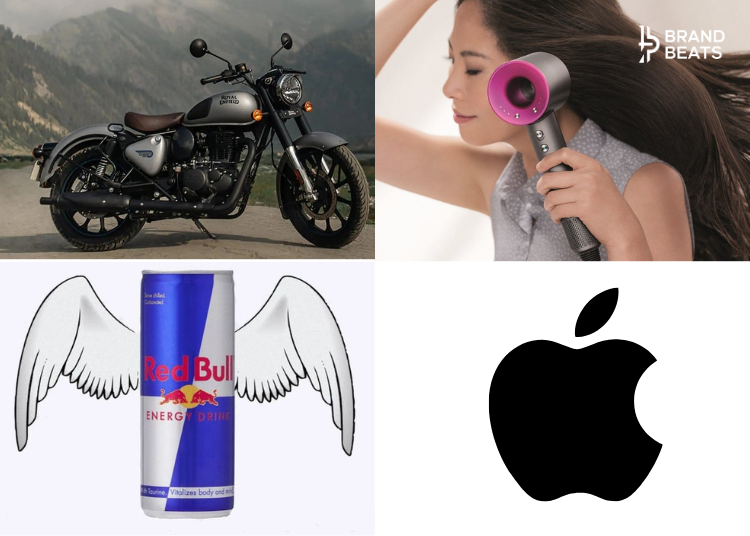
Red Bull is one of the clearest examples of a brand that refuses to compete on price and still dominates. Walk into any store and you’ll notice it immediately: a slimmer can, a smaller quantity, and a price often significantly higher than mainstream soft drinks from giants like Coca-Cola. Yet consumers don’t hesitate. Why? Because Red Bull was never sold as just an energy drink it was sold as energy with an identity. Instead of battling cola brands on affordability, Red Bull carved out an entirely new category in the 1990s and positioned itself around performance, adrenaline, and ambition.
The brand didn’t spend money shouting “cheaper” , it invested in culture. From sponsoring extreme sports events and Formula 1 teams to creating its own global media empire, Red Bull built deep associations with risk-takers, athletes, gamers, and creators. Its tagline, “Gives You Wings,” became less about caffeine and more about possibility. Consumers don’t buy Red Bull for taste or price comparison; they buy into a mindset. That emotional premium is what allows the brand to charge more than competitors while maintaining loyalty. Red Bull proves that when you own a lifestyle instead of a shelf space, price stops being the deciding factor and brand power does the selling.
2. IKEA
At first glance, IKEA looks like a price player. Affordable furniture, mass production, self-assembly it feels like the obvious “budget” option. But IKEA doesn’t actually compete by being the absolute cheapest manufacturer. Instead, it competes through a system no one else has replicated at scale. The flat-pack model, warehouse-style layouts, maze-like showrooms, and self-pickup logistics aren’t just cost-saving tactics; they’re part of a designed ecosystem that delivers functional convenience and efficiency.
IKEA wins because it redefined what buying furniture feels like. Customers don’t just shop; they walk through curated living spaces, visualize their homes, pick up products themselves, and assemble them with a sense of participation. The brand turned operational efficiency into customer empowerment. Even if alternatives are sometimes cheaper locally, they rarely offer the same blend of Scandinavian design, standardized quality, and end-to-end experience. IKEA proves that when you build a unique operating model not just a low price tag you create value competitors can’t easily copy.
3. Titan Company
Titan didn’t just sell watches, it changed what watches meant in India. At a time when watches were largely viewed as functional timekeeping devices, Titan repositioned them as lifestyle accessories and symbols of aspiration. Instead of competing with cheaper local manufacturers on price, the brand invested in design, emotional storytelling, and retail experience. Collections were curated around moments, weddings, careers, milestones turning a simple product into a meaningful purchase.
What truly helped Titan win was its ability to build trust and elevate perception simultaneously. Through sub-brands like premium and youth-focused lines, strong in-store presence, and consistent brand communication, Titan created a structured ladder of aspiration. Consumers didn’t compare Titan purely on cost; they compared it on design, credibility, and emotional value. By shifting the category conversation from “What’s the price?” to “What does it say about me?”Titan moved from utility to identity and that’s where real pricing power lives.

4. Royal Enfield
Royal Enfield isn’t in the business of selling motorcycles, it’s in the business of selling stories, heritage, and belonging. Its iconic tagline “Made Like a Gun, Goes Like a Bullet” isn’t just a quirky slogan; it echoes legacy, ruggedness, and character qualities that transcend price and push the brand into an emotional space few competitors occupy. While many motorcycle brands chase cheaper options with higher fuel efficiency or lower sticker prices, Royal Enfield focuses on experience over economics.
The reason Royal Enfield wins without price competition is simple: it built a cult following. Riders don’t buy an Enfield just because it’s “good value” they buy it because it represents a lifestyle. Weekend adventures, long rides with friends, customized builds the brand taps into aspiration and community, not transactional utility. Even in markets with cheaper commuter bikes, Royal Enfield commands premium pricing because its customers see value in identity, tradition, and robustness. This emotional premium allows the brand to thrive without discounts and cements its position not just as a bike manufacturer, but as a cultural icon.

5. Blue Tokai Coffee
Blue Tokai didn’t set out to be the cheapest coffee in the market and that’s exactly why it wins. While instant coffee and commodity brands compete on price per cup, Blue Tokai reimagined what coffee could mean for Indian consumers: freshly roasted, single-origin, craft-focused, and transparently sourced. Their tagline “Artisanal Coffee, Freshly Roasted” isn’t just a line on marketing material; it’s a promise that elevates coffee from a routine drink to a sensory experience.
The brand’s value isn’t tied to volume or low prices, but to quality and narrative. Customers willingly pay a premium because they get freshly roasted beans, ethical sourcing, and the ritual of brewing specialty coffee at home. Blue Tokai also built strong community touchpoints from workshops to café experiences turning occasional buyers into brand advocates. In a crowded coffee market, it didn’t try to undercut competitors; it created a distinct value proposition that made price a secondary consideration. That’s how a brand can grow without competing on price by making experience and craft matter more than cost.
6. Apple
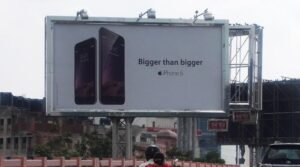
Apple has never tried to be the cheapest phone, laptop, or gadget in the room — and that’s exactly its strength. From the very beginning, Apple positioned itself around design, simplicity, and innovation rather than affordability. Its brand philosophy, captured in the iconic campaign line “Think Different,” shaped the perception that Apple products are tools for creators, visionaries, and professionals — not bargain hunters. Even today, when competitors offer similar specifications at lower prices, Apple rarely responds with price cuts. It responds with upgrades in experience.
The real reason Apple wins without competing on price is its ecosystem power. An iPhone connects seamlessly with a MacBook, iPad, Apple Watch, and AirPods creating a tightly integrated digital environment that feels effortless. Once consumers enter this ecosystem, switching becomes inconvenient, not just financially but functionally. Add to that strong retail experience, brand prestige, and consistent product storytelling, and price becomes secondary. Customers don’t ask, “Is it cheaper elsewhere?” they ask, “Does anything else work like this?” That shift from comparison to preference is what gives Apple its pricing power and long-term loyalty.
7. Dyson
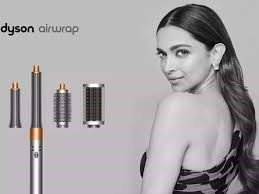
Dyson doesn’t sell vacuum cleaners or hair dryers it sells engineering obsession. From bladeless fans to the high-speed Airwrap and Supersonic, the brand positions itself as a technology company disguised as a home appliance brand. Its communication consistently focuses on research, patents, testing labs, and problem-solving design. The message is clear: you’re not paying for a gadget, you’re paying for years of engineering. That’s why Dyson products often cost significantly more than competitors and rarely go on aggressive discounts.
What makes Dyson particularly powerful in today’s market is how organically it fits into influencer culture. Beauty creators, hairstylists, home décor influencers, and even productivity vloggers showcase Dyson products not as ads, but as part of their lifestyle. The sleek design, futuristic look, and visible performance make it highly “content-friendly.” When influencers use a Dyson Airwrap in tutorials or a cordless vacuum in aesthetic home reels, it feels aspirational rather than promotional. The brand doesn’t need to shout about price its visual appeal and performance speak loudly on social media. Dyson wins because it made high-function engineering desirable, and in the influencer era, desirability travels faster than discounts ever could.