

Walk into an Indian home and you’ll find brands that have quietly occupied the same space for decades. The Parle-G packet sitting next to the tea jar. The Rooh Afza bottle that appears every summer. The Bata shoes are bought before every school year. The Titan watch is gifted at a wedding. The Royal Enfield parked outside a house that has owned one for generations.
These brands have survived economic downturns, changing consumer preferences, global competition and the rise of digital-first challengers. Yet somehow, they continue to occupy a place in people’s lives that newer brands struggle to achieve.
The reason goes beyond products. The strongest brands don’t just build customer bases. They build communities. They create shared rituals, memories and experiences that make consumers feel connected to something larger than a transaction. Over time, those customers become advocates, collectors, riders, loyalists and even defenders of the brand.
Long before marketers started talking about fandoms, tribes and engagement metrics, some Indian brands had already mastered the art of belonging. They understood that loyalty isn’t bought through discounts or advertisements alone. It is earned through consistency, trust, cultural relevance and emotional connection.
From motorcycles that created brotherhoods to biscuits that became a part of childhood, here are 10 Indian brands that built some of the most loyal communities in the country and the strategies that turned everyday consumers into lifelong fans.
1. Bata
For millions of Indians, Bata wasn’t just a footwear brand it was a childhood ritual.
Every school year began with a trip to the local Bata store. Parents trusted the brand because it offered durable products at affordable prices, while children associated it with the excitement of a new academic year. That repeated interaction created familiarity at a very young age.
Founded in India in 1931, Bata built one of the country’s largest retail footprints, reaching not just metros but also smaller towns where international competitors struggled to establish a presence. While other footwear brands chased fashion trends, Bata focused on reliability, comfort and accessibility.
Its greatest strength was consistency. Generations of families returned to the same brand because they knew exactly what to expect. Even when Bata modernised its portfolio with athleisure and fashion-forward collections, it never abandoned the trust it had spent decades building.
Today, Bata’s community isn’t defined by fan clubs or online groups. It’s defined by generational loyalty, a customer base that has grown up with the brand and continues to introduce it to the next generation.

2. Asian Paints
Most paint companies sell colours but Asian Paints sells aspirations.
The brand realised early that consumers don’t repaint their homes because they need paint. They repaint because they’re celebrating a wedding, moving into a new house, preparing for a festival or starting a new chapter in life.
This insight transformed Asian Paints from a paint manufacturer into a home-improvement partner. Campaigns like Har Ghar Kuch Kehta Hai positioned homes as emotional spaces filled with stories and memories, helping the brand connect with consumers on a deeper level.
Asian Paints also invested heavily in technology, dealer relationships and customer service, creating a seamless experience that competitors struggled to match. Its expansion into décor, kitchens, bathrooms and design consultation further strengthened consumer trust.
The result is a community built around one of life’s most personal spaces: the home. Consumers don’t just buy Asian Paints products; they invite the brand into some of their most important life moments. Asian Paints remains India’s leading paint company with over 50% share in the decorative paints market.

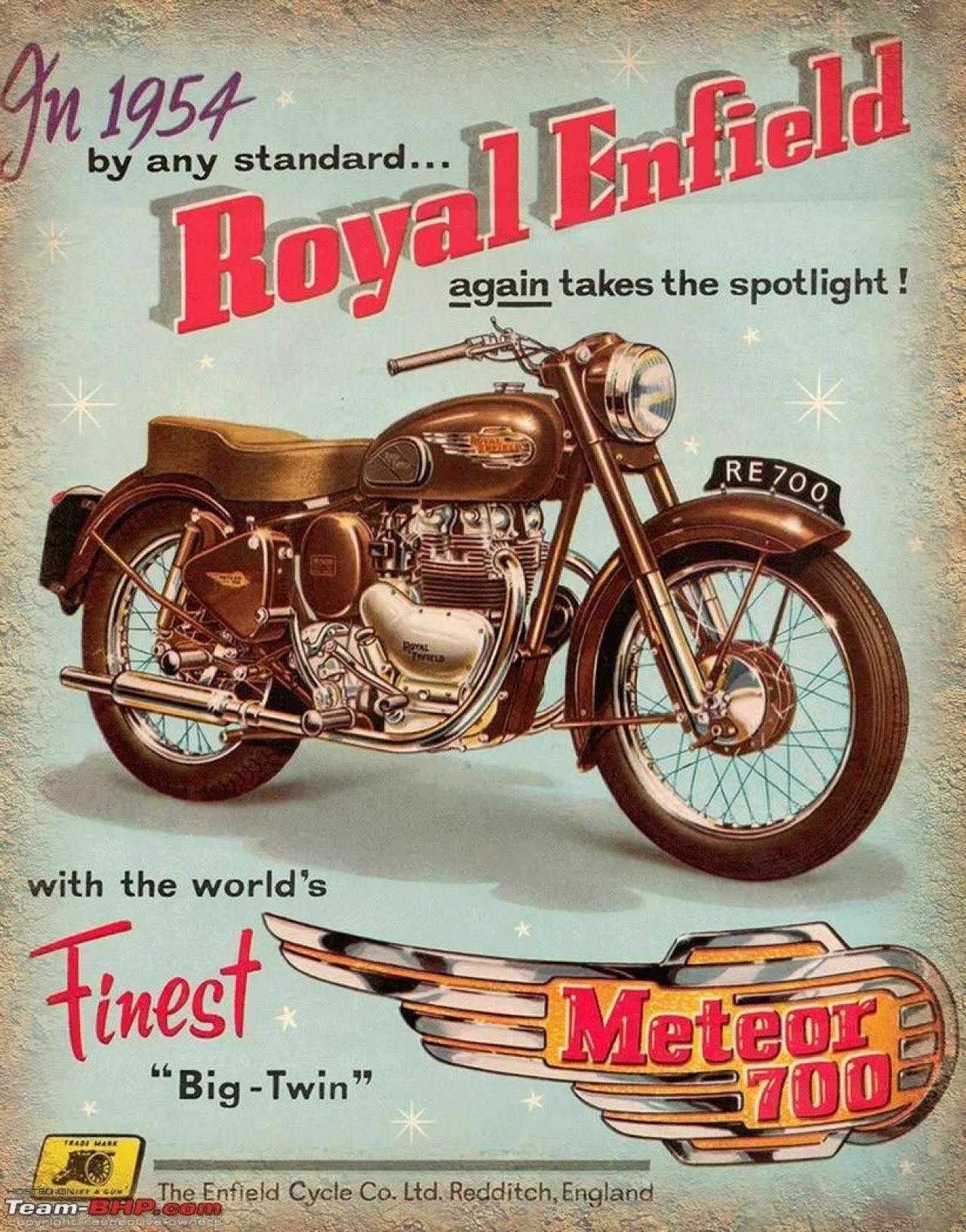
3. Royal Enfield
The company stopped selling motorcycles and started selling a lifestyle.
At a time when competitors focused on mileage and affordability, Royal Enfield doubled down on adventure, heritage and self-expression. The iconic thump of the engine became a badge of identity for riders across the country.
What truly set the brand apart was its investment in community experiences. Events like Rider Mania, owner clubs, organised rides and Himalayan expeditions transformed customers into participants. Riders didn’t just own a Royal Enfield; they became part of a tribe.
The brand also embraced storytelling, celebrating journeys rather than machines. Whether it was a solo ride to Ladakh or a weekend road trip with friends, Royal Enfield consistently positioned motorcycling as a way of life.
Today, Royal Enfield riders often form friendships, communities and traditions around the brand. That’s the difference between customer loyalty and belonging. Royal Enfield sold over 1 million motorcycles in FY2024, a milestone few premium motorcycle brands globally have achieved.
4. Rooh Afza
Very few products enjoy the cultural relevance that Rooh Afza does.
For generations, the iconic pink syrup has been a staple during Ramadan and Indian summers. Its presence goes far beyond refreshment, it represents family gatherings, religious traditions and childhood memories.
Founded in 1907 by Hamdard, Rooh Afza has remained relevant for over a century because it occupies a unique cultural space. Consumers don’t merely buy it; they inherit it.
Unlike many modern brands that rely heavily on aggressive advertising, Rooh Afza’s loyalty has been built through rituals and repetition. Every year, as temperatures rise and Ramadan approaches, families instinctively return to the brand.
That consistency has created a community rooted in tradition, making Rooh Afza one of India’s most emotionally resonant beverage brands.

5. Fevicol
Most adhesive brands struggle to stand out but this brand achieved this through decades of memorable advertising built around a single promise: unbeatable strength. From overloaded buses to unbreakable bonds, Fevicol’s campaigns became part of popular culture.
Its success wasn’t limited to consumers. The company also built strong relationships with carpenters and craftsmen, turning professionals into loyal advocates. For many furniture makers, Fevicol became the default choice because of its reliability and performance.
Few Indian brands have maintained such a clear and consistent brand identity for so long. Every advertisement reinforced the same message, making the brand instantly recognisable.
Today, “Fevicol ka jod” is part of everyday language, a rare achievement that reflects the deep trust consumers place in the brand.

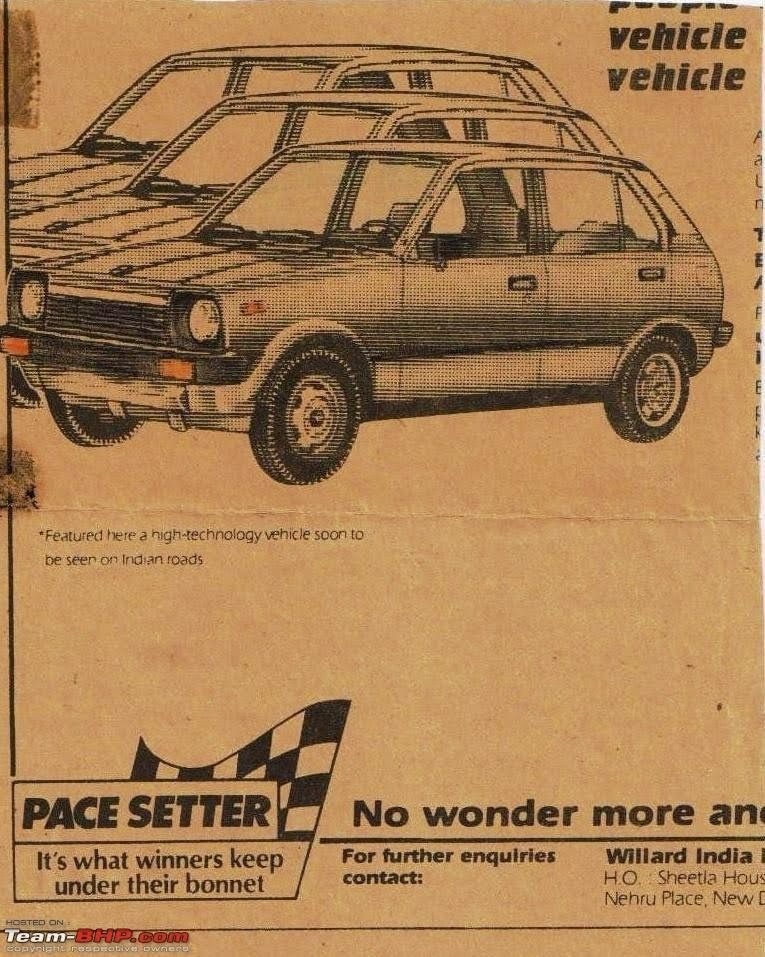
6. Maruti Suzuki
Maruti Suzuki’s greatest innovation wasn’t a car. It was trust.
For decades, the company represented the dream of car ownership for middle-class India. Models like the Maruti 800 became symbols of aspiration, mobility and progress.
But Maruti’s real strength came after the purchase. Its extensive service network ensured that customers could find maintenance and spare parts almost anywhere in the country. This created confidence among first-time buyers who valued reliability over luxury.
The brand also earned loyalty through affordability, fuel efficiency and strong resale value. Families that bought one Maruti often returned for another, creating a cycle of repeat purchases that competitors found difficult to break.
Today, Maruti’s community consists of millions of Indians whose first driving memories are closely tied to the brand.
7. Titan
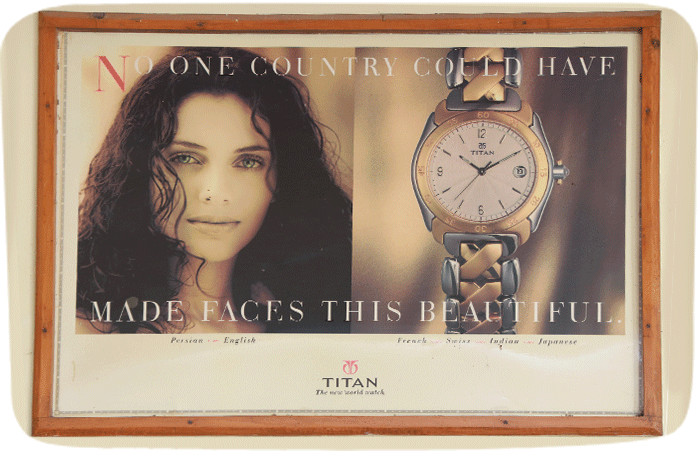
Titan understood something fundamental about consumer behaviour. People rarely buy watches to tell time, they buy them to mark moments.
Graduations, weddings, anniversaries, promotions and birthdays, Titan positioned itself at the centre of life’s milestones. Every purchase carried emotional significance, turning the product into a memory rather than an accessory.
The brand strengthened this connection through powerful storytelling and iconic campaigns that focused on relationships and human emotions. Its signature tune became one of the most recognisable audio identities in Indian advertising.
Over the years, Titan expanded into jewellery, eyewear and premium accessories, but the trust it built through watches helped consumers embrace these categories as well.
The result is a community that associates Titan with some of the happiest moments in life.
8. Zomato
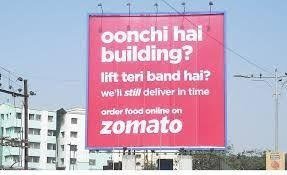
Zomato’s biggest strength isn’t food delivery, it’s personality. The brand understood social media before many companies did. Instead of behaving like a corporation, Zomato became a participant in internet culture.
Its witty notifications, humorous tweets and real-time responses transformed routine interactions into entertainment. Consumers began sharing Zomato content even when they weren’t ordering food.
The company also embraced moment marketing, reacting to cricket matches, memes, pop culture events and trending conversations with remarkable speed. This helped it remain culturally relevant and constantly visible.
Over time, Zomato built a community that follows the brand not just for its service, but for its voice. Few Indian companies have managed to create such a strong digital identity.
9. Parle-G
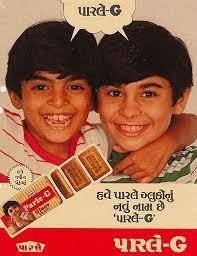
Launched in 1939, Parle-G is more than a biscuit. Generations have grown up eating Parle-G with tea, milk or straight from the packet. The brand became a household staple because it combined affordability, accessibility and familiarity.
What makes Parle-G remarkable is its consistency. While competitors constantly reinvented themselves, Parle-G remained largely unchanged. The iconic packaging, product and positioning became symbols of trust.
During difficult economic periods, consumers often turned back to the brand because it represented reliability and value. This reinforced its role as a comfort product that transcends income groups.
Few brands can claim such universal recognition across urban and rural India.
10. Amul
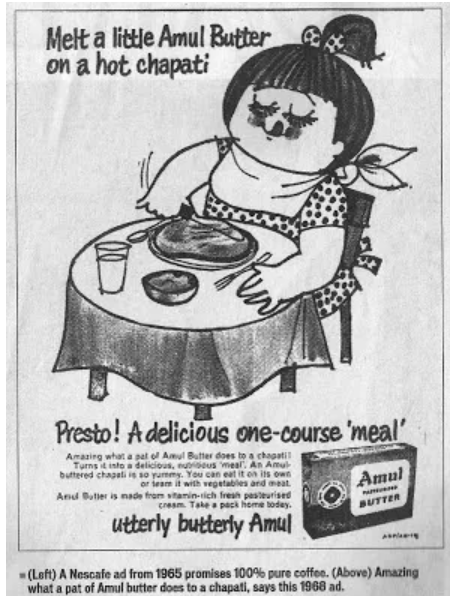
If there is one brand that has mastered staying relevant across generations, it is Amul. For nearly six decades, the Amul Girl has commented on everything from politics and cricket to cinema and current affairs through witty topical advertisements. These ads transformed the brand from a dairy company into a participant in national conversations.
Consumers don’t just buy Amul products, they actively look forward to the brand’s next take on a trending event.
Beyond advertising, Amul built trust through its cooperative model, empowering millions of dairy farmers across India. This gave the brand a unique identity rooted in both community and purpose.
Its products became staples in Indian households, while its marketing ensured cultural relevance across generations.
Amul’s community isn’t built around a single product. It’s built around familiarity, trust and a shared cultural language that has endured for decades.
Whether it’s Royal Enfield creating a brotherhood of riders, Asian Paints becoming part of family milestones, Titan celebrating life’s biggest moments or Parle-G living in childhood memories, these brands understood that loyalty goes beyond transactions.
In an era where consumers have more choices than ever before, the brands that endure are the ones that make people feel like they belong and that may be the most powerful marketing strategy of all.