

OZiva, a clean and plant-based wellness brand in India, has introduced a campaign ‘#ItsNotFine’. The initiative urges women and their families to stop treating female health and well-being as an afterthought.
By turning attention to everyday habits, the campaign challenges the common tendency of women to quietly dismiss their own fatigue or unmet nutritional needs with the phrase ‘It’s fine’, encouraging families to pause and notice these often-unseen sacrifices.
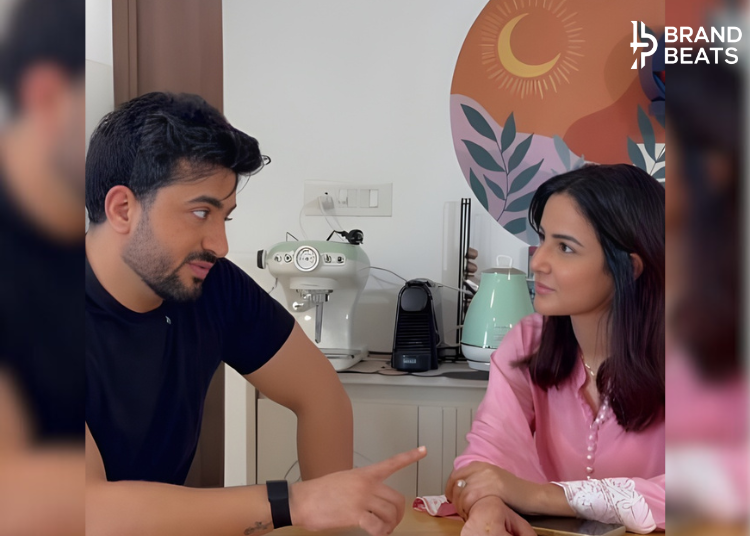
The brand brings these stories to life through relatable narratives featuring popular personalities. Actors Aly Goni and Jasmine Bhasin take part in a role reversal concept where Goni steps into Bhasin’s daily routine, subtly highlighting how women often overlook their own needs while caring for everyone around them.
Comedian Bharti Singh and her husband, writer-producer Haarsh Limbachiyaa, focus on demonstrating how easily the phrase It’s fine slips into daily household conversations. Taking a conversational and humorous approach, digital creator Viraj Ghelani explains to his friends that these words frequently mask deeper issues like fatigue and postponed health within everyday relationship dynamics.
To translate the campaign message into action, OZiva has launched the Women’s Wellness Fest to help women take a meaningful step towards their own self-care. The promotional event provides access to the best-selling products of the brand, including ACV Moringa, Gluta Fizzy, Collagen Ceramides, Hair Vitamins, Bioactive Plant Protein, and Proteinand Herbs for Women. To further incentivize participation, the fest offers complimentary gifts worth Rs 2,299 alongside Lakme Salon vouchers.
Link to the campaign:
View this post on Instagram
Parvathy Raja, VP – Brand Marketing, OZiva, said, “Our campaigns are crafted to drive meaningful cultural conversations around health. Over the years, we’ve consistently brought attention to areas that are often overlooked – from conversations around PCOS to the everyday gaps in women’s nutrition and wellbeing.”
“With #ItsNotFine, we aim to highlight the subtle, yet deeply ingrained behaviours where women put their health and themselves last. Through this campaign, we hope to encourage families to recognise these patterns and collectively shift the narrative – because women’s wellbeing should never be treated as an afterthought.”