

India’s out-of-home entertainment industry is no longer just about occasional outings, it is steadily becoming a core part of how consumers choose to spend time, money, and attention. Rising incomes, deeper digital exposure, and a growing appetite for experiences are pushing the category into a new phase of growth. B
But scaling in this space isn’t just about building bigger parks, it’s about building systems that can consistently deliver high-quality experiences across locations, formats, and audiences.
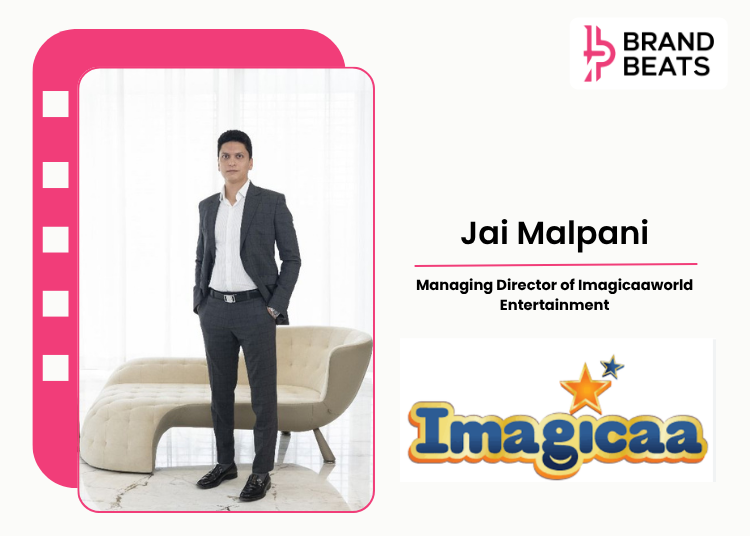
For Imagicaa World Entertainment, this shift is not just an opportunity, it’s a strategic inflection point. In a conversation with Jai Malpani, Managing Director of Imagicaa World Entertainment, the discussion moves beyond parks and rides to unpack how experience, consumer behaviour, and operational discipline are shaping the future of entertainment in India.
Why Demand For Experiences Is Surging
To understand Imagicaa’s strategy, it’s important to first understand the macro shift in consumer behaviour. According to Jai Malpani, India is currently in a phase where multiple tailwinds are converging.
He explains, “India is at a great inflection point, income levels are rising, demographics are right, and there is a large aspirational target group that is growing not just in tier 1, but even more in tier 2 and tier 3 markets.”
As Malpani puts it, “Because of social media, someone sitting in a tier 2 or tier 3 market has the same exposure as someone in tier 1, they know what a good experience looks like.”
What makes this moment different is not just purchasing power but awareness. Consumers today are far more informed than before. This growing awareness is directly translating into demand setting the stage for brands like Imagicaa to scale beyond traditional formats.
From Theme Parks To A Multi-Format Ecosystem
With demand expanding across geographies and consumer segments, the question for players in this category is no longer whether to scale, but how to scale meaningfully. For Imagicaa, the answer lies in moving beyond a single-format identity and building a diversified, multi-format entertainment ecosystem that can cater to different use cases, age groups, and consumption moments.
This shift is rooted in a clear understanding: entertainment is not one-dimensional. A family outing, a college group hangout, a short indoor activity, or a full-day destination experience, each requires a different format. Relying on just one format limits both reach and frequency of engagement.
Malpani explains, “We are one of the only multi-format operators at scale theme parks, water parks, amusement parks, and now indoor entertainment.”
What strengthens this approach is the ability to operate these formats under one unified brand system where learnings, processes, and consumer understanding flow across formats, creating both operational leverage and brand familiarity. This multi-format strategy, therefore, is not just about adding new verticals, it is about increasing the share of consumer time. Instead of being a once-in-a-while destination, the aim is to become a more frequent, default choice across different entertainment needs.
He adds, “Our goal is to own the entire out-of-home entertainment category…if someone wants to step out for fun, we want to be the first choice.”
Another critical layer in this strategy is geographic expansion. As demand rises in tier 2 and tier 3 markets, expecting consumers to travel long distances to a single flagship destination becomes a limiting model. The shift, therefore, is towards distributed access bringing experiences closer to where the consumer already is.
“Instead of people travelling to us, we want to go to them and make these experiences more accessible.”
How Spending Behaviour Is Changing
As accessibility improves, the nature of consumer spending is also evolving. The shift is no longer just about entry, it’s about the overall experience. Malpani highlights, “Consumers are spending more on experiences… and they are willing to pay if the experience meets or exceeds expectations.”
This has a direct impact on how revenue is structured. “It’s not just ticketing anymore; our F&B, merchandising, and other services are growing significantly with this shift.” This means the business is no longer built around footfall alone but around depth of engagement. “People look at everything now, what food you offer, what merchandise you have, what unique experience you’re giving… differentiation is key.”
Why Experience Drives Repeat Footfall
While rising demand is expanding the category, the real challenge lies in sustaining that demand over time. In entertainment, acquisition is relatively easier driven by visibility, social media, and novelty but retention is where the business is truly built. For Imagicaa, this makes the journey from a first-time visitor to a repeat customer one of the most critical levers of growth.
The first interaction with the brand is often influenced by discovery channels, digital content, reels, word-of-mouth, and overall brand presence. These create curiosity and drive initial footfall, especially among new consumers entering the category.
Malpani breaks it down clearly, “For the first visit, novelty plays a big role, People come because they’ve seen the brand, reels, or content.”
However, novelty has a limited lifecycle. Once experienced, it cannot be the reason for return. What replaces it is the depth and quality of the experience itself, how seamless, safe, enjoyable, and memorable the visit was.
But that alone doesn’t build a business. “The second visit is driven purely by experience… and repeat visitation is entirely about the overall experience we deliver. Pricing does play a role, but today people are willing to pay a premium for safety, quality, and better experiences.” he added.
Why SOPs Matter, But Culture Matters More
Delivering a great experience once is difficult. Delivering it consistently across locations is even harder. To meet this, the company relies heavily on structured processes.
For Imagicaa, this is solved through a combination of systems and culture. Malpani explains, “Someone visiting Indore or Surat expects the same experience they had in Lonavala… that expectation is already set.”
“We have extensive SOPs, everything is digitised, and teams are empowered to take decisions on ground. Beyond SOPs, culture becomes very important… guest experience is something we obsess over, and safety is completely non-negotiable. We conduct third-party audits, mystery audits, and track NPS regularly to ensure the experience remains consistent.” Malpani added.
Seasonality And Manpower Challenges
While the front-end looks seamless, the backend comes with its own set of challenges, one of the biggest being seasonality. “Our business is highly seasonal—Q1 and Q3 are peak, while monsoon becomes a lean period.” Addressing this isn’t just about operations but also about shifting consumer perception. “We are educating guests that parks are operational even during rains… it doesn’t rain all day, and experiences are still available.”
Alongside this, manpower remains a critical operational hurdle. “Manpower is critical, training and retaining teams across locations is one of the biggest challenges.” Because ultimately, experience is not built by infrastructure alone but delivered by people. “Rides are there, but how team members interact with guests defines the experience.”
From Great Experience To Repeat Behaviour
In a category increasingly driven by digital discovery and performance marketing, it’s easy to prioritise visibility over substance. Imagicaa, however, flips that approach placing the product and the on-ground experience at the centre of its growth strategy. The reasoning is simple – marketing can drive the first visit, but only experience can sustain the business.
Malpani explains, “Customer experience always comes first. If that is not right, marketing will only create a mismatch. First is experience, second is infrastructure, because safety and maintenance are critical and then comes marketing,”.
This sequencing is especially important in a category where expectations are high and the cost of disappointment is even higher. A gap between promise and delivery doesn’t just impact one visit, it directly affects repeat behaviour and word-of-mouth. And when the fundamentals are strong, growth begins to compound organically. “If the experience is good, a lot of growth becomes word-of-mouth… people themselves create content.”he explained.
However, delivering a great experience once is only part of the equation. The bigger challenge lies in converting that experience into a habit, creating reasons for consumers to return, not just remember.
One of the structural levers Imagicaa uses to address this is pricing innovation aimed at repeat behaviour. Malpani shares, “We launched Magic Pass—a yearly passport that allows multiple visits across parks at a very accessible price.”
But retention, as he points out, cannot be built on pricing alone. It requires continuous engagement and freshness in the offering. “We run a strong content calendar—Holi, New Year, Diwali, seasonal events so there’s always a reason to come back. “Every 1–2 years, we add new rides or attractions so that guests always have something new to experience.”
The Bet On Devotional Entertainment
Beyond traditional formats, Imagicaa is also exploring new intersections like devotional entertainment.
Malpani explains the insight behind this move. “After darshan, there is often nothing for families to do. That’s the gap we identified.” He explained that the solution blends storytelling with technology “We combine devotion, technology, and entertainment like 5D films to make these stories more engaging, especially for younger audiences.” This also creates a broader economic impact “Increasing dwell time at a location benefits the entire ecosystem of hotels, restaurants, and local transport.”
At the same time, authenticity remains critical. “We work with multiple advisors to ensure the essence remains intact… only the medium of delivery changes.”
What emerges from the conversation is a clear pattern: this is no longer a category driven by access or pricing alone. It is being shaped by experience, consistency, and the ability to create reasons for consumers to return.
As Jai Malpani sums it up, “We’re not just building parks…we’re building experiences that people want to come back to.”
And in a market where aspiration is rising across geographies, that repeat intent may ultimately define the winners in India’s evolving entertainment landscape.