

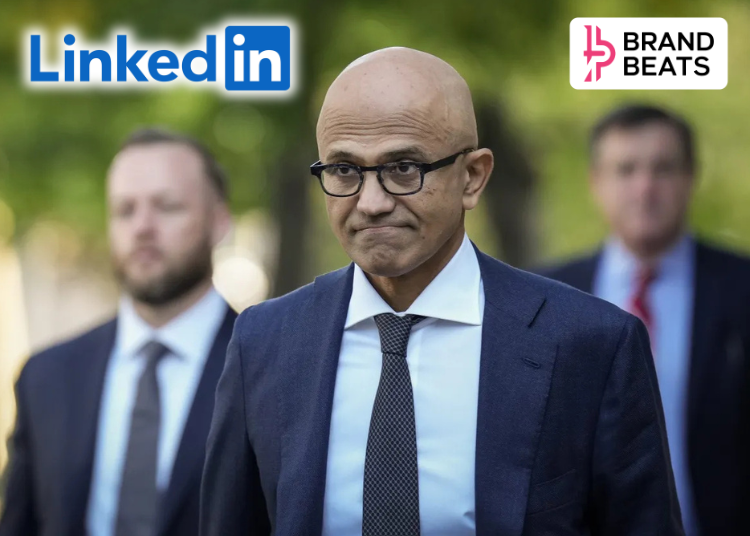
LinkedIn has moved the Delhi High Court challenging penalties imposed by the Registrar of Companies on Microsoft CEO Satya Nadella, LinkedIn CEO Ryan Roslansky and several current and former LinkedIn India executives over alleged violations linked to significant beneficial ownership disclosures under the Companies Act.
As per the reports, the Delhi High Court has temporarily stayed the operation of the penalties while hearing petitions filed against earlier orders issued by the Ministry of Corporate Affairs and the Registrar of Companies. Justice Anish Dayal reportedly stayed the impugned orders until the next hearing scheduled for October 6, 2026.
The case has drawn attention within legal and corporate governance circles because it involves the interpretation of India’s ‘significant beneficial ownership’ framework in the context of multinational technology companies and layered global ownership structures. Legal experts have noted that the proceedings could influence how Indian authorities interpret control, reporting relationships and indirect ownership in future compliance matters involving global corporations.
The dispute relates to alleged non compliance with Significant Beneficial Ownership disclosure requirements under Section 90 of the Companies Act, which aims to identify individuals exercising ultimate beneficial ownership or control over companies operating in India. The Registrar of Companies had earlier concluded that LinkedIn India and its officers failed to issue mandatory notices and make disclosures linked to beneficial ownership structures.
The Ministry of Corporate Affairs had imposed total penalties of around Rs 27.1 lakh on LinkedIn Technology Information, Nadella, Roslansky and several directors and officers associated with the company. Nadella and Roslansky were individually fined Rs 2 lakh each, while LinkedIn India faced a larger penalty under the order issued by the Registrar of Companies for Delhi and Haryana.
According to the Registrar of Companies’ findings referenced in earlier reports, the authority argued that LinkedIn’s ownership structure and internal reporting relationships suggested that Nadella qualified as a significant beneficial owner under Indian corporate law provisions. Microsoft had previously maintained that it had complied with applicable Indian regulations and disclosure norms.