

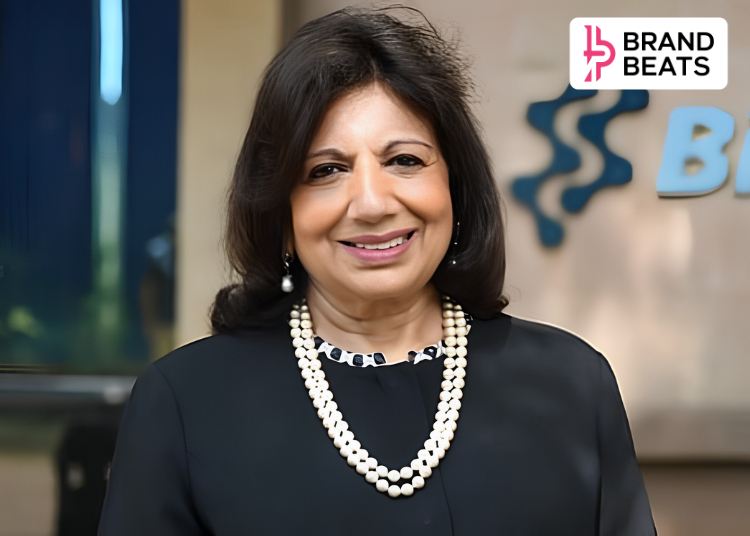
Immuneel Therapeutics, the Bengaluru-based cancer therapy startup co-founded by Biocon founder Kiran Mazumdar Shaw, has secured over Rs 100 crore in a fresh funding round led by Singularity AMC and Rainmatter by Zerodha. The round also saw participation from several high-net-worth individuals alongside existing investors.
Existing backers, including Kiran Mazumdar Shaw, Eight Roads Ventures, and F Prime Capital, also participated in the funding round. The investment comes as Immuneel looks to expand access to advanced cell therapies, a segment that continues to face challenges related to affordability and large-scale adoption in India.
Immuneel Gears Up For Its Next Growth Phase
The company is focusing on its CAR-T therapy platform, particularly Qartemi, which is used to treat blood cancers. Immuneel said the new capital will help increase production capacity and make the treatment available to more patients at a lower cost.
Chief executive Amit Mookim said, “The main priority is building capacity in a cost-effective way. He added that Immuneel has brought the treatment to about 10% of the cost seen in the West and wants to reduce it further as scale improves.”
Why The Funding Matters For CAR-T Therapy In India
CAR-T therapy works by taking a patient’s immune cells, training them in a lab to fight cancer, and putting them back into the body. It is widely regarded as a major breakthrough in cancer care, but its complexity and cost have limited access.
Immuneel is also trying to localise more parts of the supply chain, including reagents, vectors, and manufacturing processes. The goal is to make production more efficient and less dependent on expensive inputs that drive up treatment costs.
Immuneel Looks Beyond India For Growth
The company plans to use the funds to expand into Southeast Asia, other parts of Asia-Pacific, and the Middle East. Mookim said several regions in Asia, West Asia, and Africa have a large cancer burden but limited access to advanced therapies.
Immuneel sees India as a manufacturing and delivery base for these markets rather than a place where patients must travel abroad for treatment. That strategy reflects a wider shift in Indian biotech, where startups are increasingly trying to build globally relevant healthcare infrastructure from local research and production.