

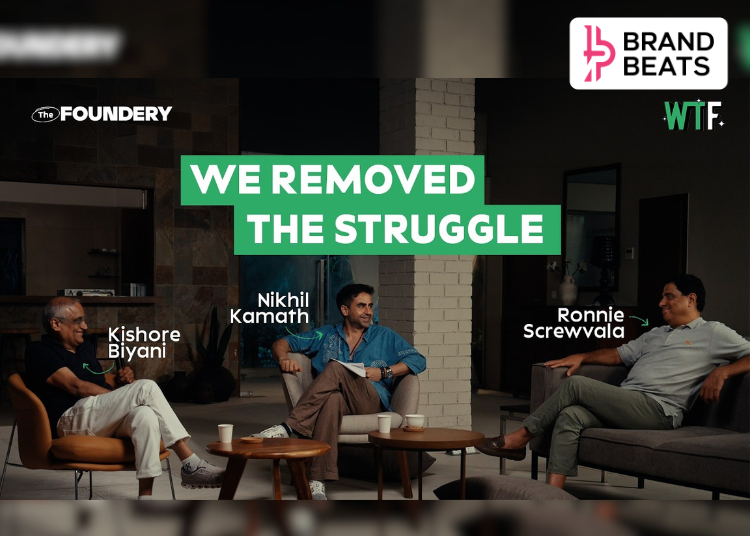
Entrepreneurship is often associated with a familiar narrative of starting from scratch, overcoming setbacks, and eventually achieving success. A new film from The Foundery, shared by Nikhil Kamath on Instagram, explores whether there are other ways entrepreneurial journeys can begin.
Created by Nikhil Kamath, Kishore Biyani, and Ronnie Screwvala, the film examines how access to mentorship, capital, and business ecosystems may influence entrepreneurship. Rather than focusing on startup success stories, it raises questions about whether entrepreneurs are shaped primarily through struggle or by having the resources to begin earlier.
One of the central themes is that entrepreneurship is difficult to teach through conventional classroom methods because business environments constantly evolve. The film suggests that many entrepreneurial skills develop through making decisions, taking ownership, and navigating uncertainty in real-world situations.
This perspective is reflected in one of the film’s key lines:
“Should we call The Foundery a college? No. There, you learn. Here, you earn.”
The statement reinforces the idea that entrepreneurship may be better understood through practical experience than traditional instruction.
Set within The Foundery’s residential program, the film explores whether access to funding, mentorship, and industry networks can help aspiring entrepreneurs start building sooner. It also addresses broader questions around privilege, opportunity, and resilience, asking whether providing greater access changes how people approach entrepreneurship.
Rather than offering definitive answers, the film presents these ideas as part of an ongoing discussion. It suggests that support systems and individual responsibility can coexist, with participants receiving access to mentors, capital, and networks while remaining responsible for turning ideas into viable businesses.
The conversation extends beyond business creation to examine how exposure to diverse environments, perspectives, and experiences can shape how people think, make decisions, and identify opportunities.