

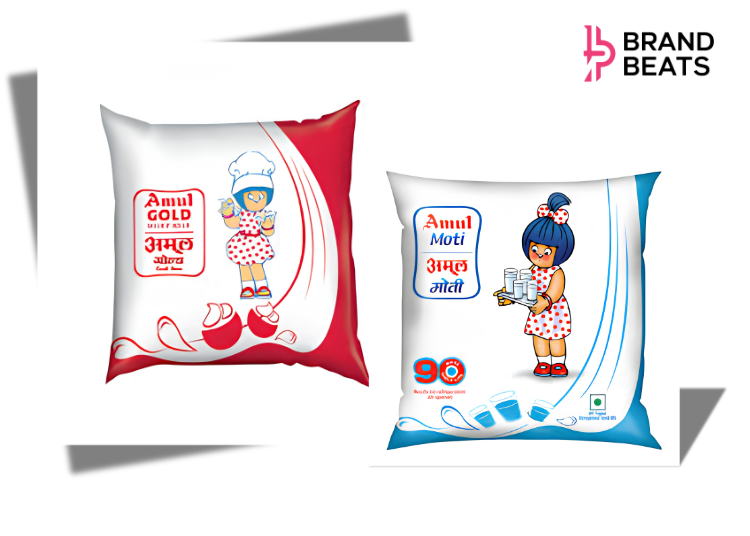
Amul has increased milk prices by Rs 2 per litre across India, marking the dairy giant’s first nationwide price hike since early 2025. The revised prices came into effect from May 14 and apply across major variants sold under the Amul brand.
The Gujarat Cooperative Milk Marketing Federation (GCMMF), which markets Amul products, said the increase has been driven by rising input and operational costs, including higher procurement prices paid to dairy farmers. The latest revision impacts pouch milk variants across markets nationwide.
Following the hike, the price of Amul Gold has increased to Rs 68 per litre from Rs 66, while Amul Taaza now costs Rs 56 per litre instead of Rs 54. Amul Shakti has gone up to Rs ₹62 per litre from Rs 60. Similar revisions have also been implemented across toned and fresh milk categories in different regions.
In a statement, GCMMF said the price increase translates to a rise of around 3-4%, which it described as lower than the average food inflation rate. The federation also noted that nearly 80 paise of every rupee consumers pay for milk goes directly to dairy farmers, positioning the hike as necessary to support producer incomes amid increasing production costs.
The cooperative added that costs linked to cattle feed, transportation, packaging, and overall milk procurement have continued to rise over the past several months. Industry experts say India’s dairy sector has been facing sustained pressure due to inflation in fodder prices, erratic weather conditions affecting feed availability, and increasing logistics expenses.
The revision comes at a time when milk prices across India have seen periodic upward movement over the past few years, with most major dairy brands adjusting prices multiple times to offset higher procurement and supply chain costs. However, Amul had not announced a nationwide hike for over a year, making this its first major revision since 2025.
The latest increase is also expected to influence pricing strategies across the organised dairy sector, as competing brands often revise prices in response to market leaders like Amul and Mother Dairy. Rising milk prices have broader implications for household budgets as well as for food categories dependent on dairy inputs, including sweets, tea, coffee, and packaged food products.