

You didn’t need that Rs 49 peri-peri dip.
You didn’t plan for that ₹199 phone case.
And you definitely didn’t wake up thinking, “Today I will optimise my Blinkit cart to cross ₹199.”
Yet…here we are. If you’ve ever added something random just to “make the order worth it,” congratulations – you’ve just experienced marketing psychology in action. And no, it’s not random. It’s designed.
The Rs 99 Illusion Your Brain Falls For
Take the most obvious pattern you see everywhere – Rs 99, Rs 199, Rs 499, Rs 999. From Myntra sales to Swiggy menus to Amazon lightning deals, Indian pricing seems obsessed with nines. This is called charm pricing – a strategy where brands price something just below a round number to make it feel cheaper.
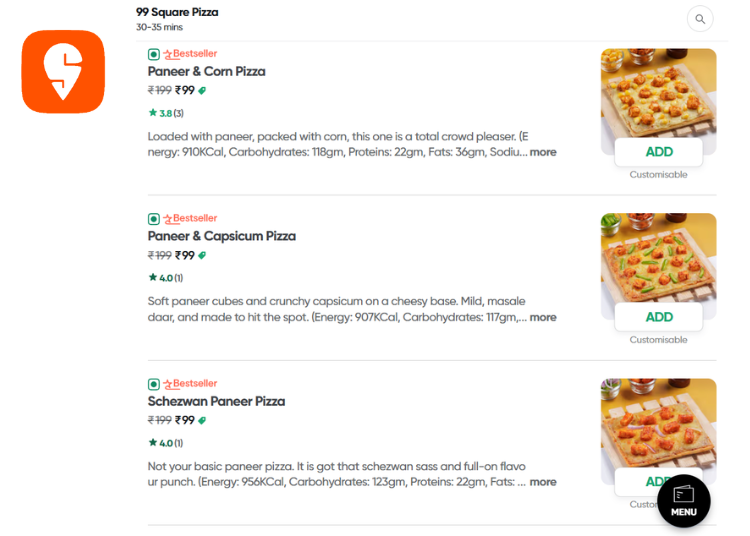
But your brain isn’t doing math here. It’s making a shortcut judgment. Rs 999 doesn’t register as “basically Rs 1000.” It registers as “nine hundred something.” That one-digit shift – from 1 to 9 – creates a mental category jump.
Rs 999 sits comfortably in the “hundreds” bucket, while Rs 1000 suddenly feels like a “thousands” decision. Same money, completely different emotion. This is known as the left-digit effect – and it’s why that one rupee difference works far more than it should.
Where This Shows Up in Your Everyday Cart
You see this play out most clearly in everyday Indian consumption. On quick commerce platforms like Blinkit or Zepto, the minimum order is almost always Rs 199. Your cart sits at Rs 173, and suddenly you’re adding chips, chocolate, or a soft drink you didn’t need. It feels like you’re making a smart decision, but what you’re actually responding to is threshold psychology.
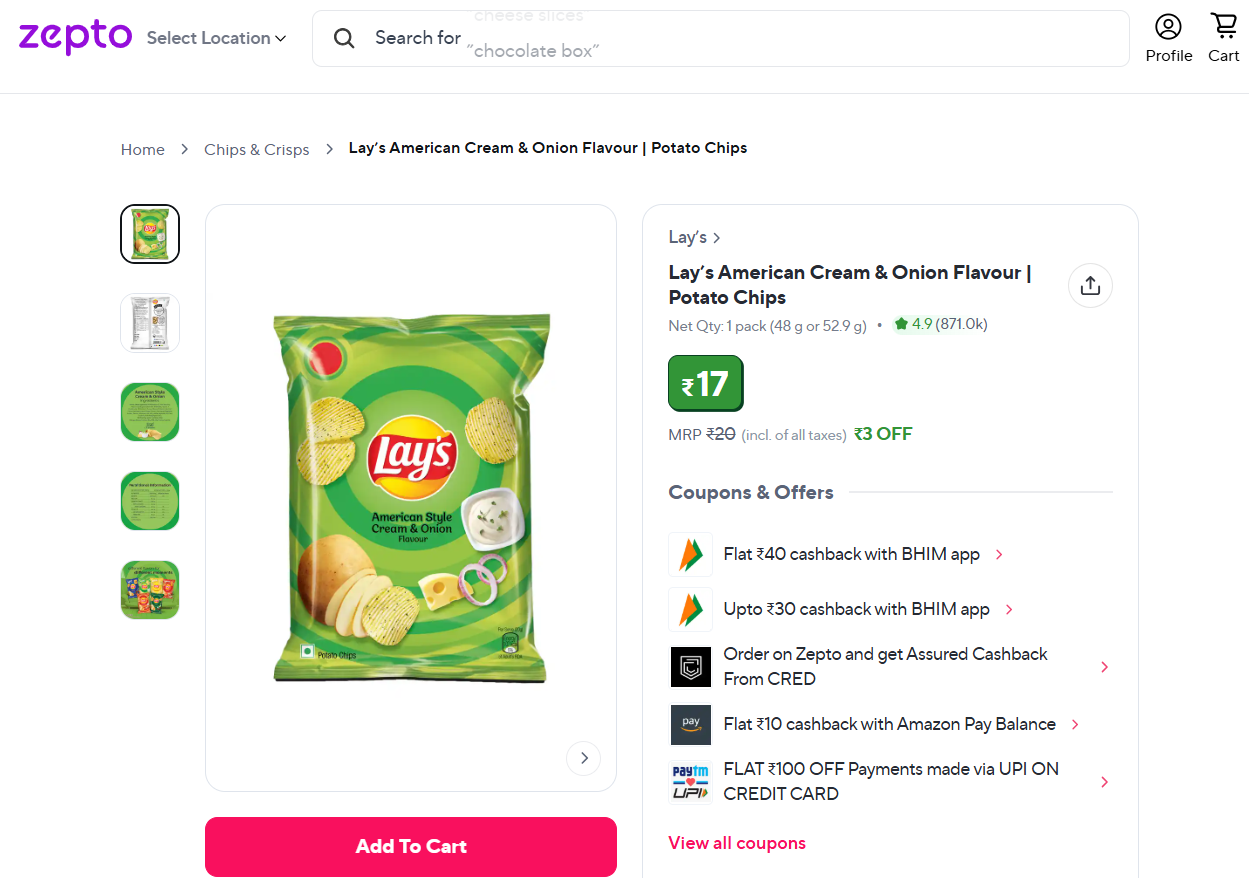
Your brain treats “under Rs 200” as a safe, low-effort spend, while crossing Rs 200 triggers hesitation. So brands keep you just below that discomfort line – and nudge you to get there on their terms.
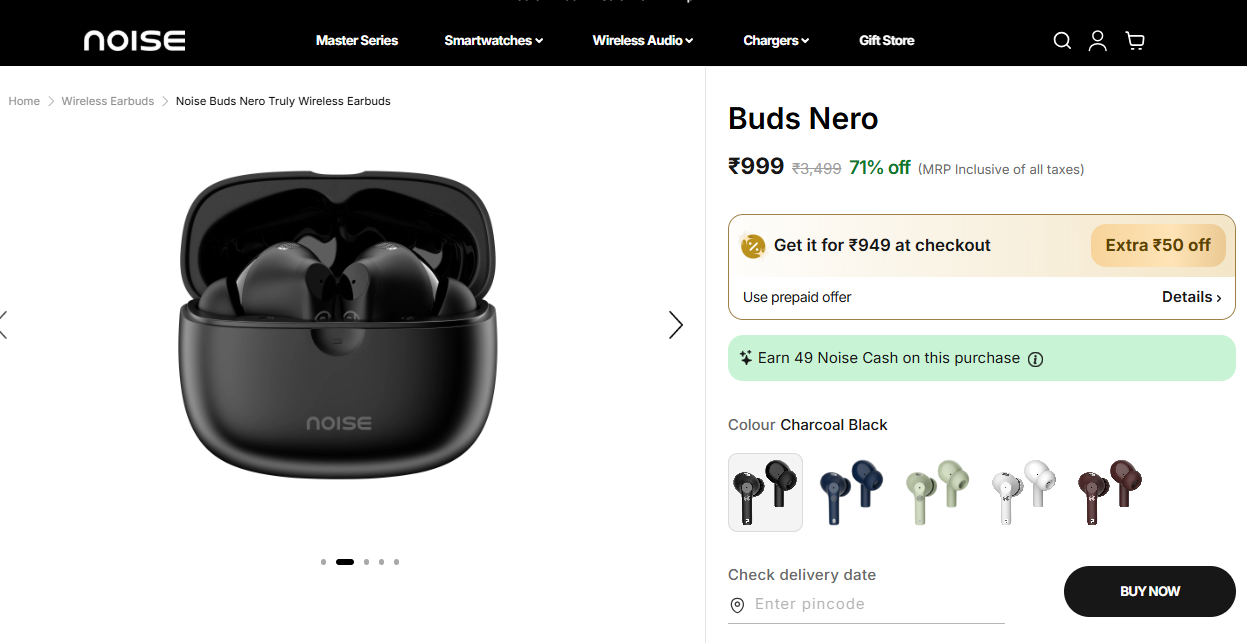
E-commerce takes it a step further. A Rs 999 product next to a struck-through Rs 2,999 doesn’t just feel cheaper – it feels like a steal. That’s the anchoring effect at play, where the higher price sets your expectation, and the final price feels like a win. Combine that with charm pricing, and suddenly you’re not evaluating value – you’re reacting to a narrative of a “deal.”
Food delivery apps layer on even more psychology. “Free delivery above Rs 199.” “Add Rs 27 more to unlock the offer.” You’re not just ordering food anymore — you’re completing a task. The closer you get to that reward, the more irrationally committed you become to reaching it. This is the goal gradient effect, and it’s the reason ₹173 to ₹199 feels like a mission you need to finish.
Why This Works So Well on Indian Consumers
What makes this even more powerful in India is how culturally aligned these tactics are with how we already think about money. Indian consumers operate in clear mental buckets, under Rs 100 feels negligible, Rs 100-Rs 500 is manageable, and anything above Rs 1000 requires justification. So Rs 999 isn’t just pricing – it’s a category hack. It keeps you within a comfort zone where decisions feel easy and low-stakes.
There’s also a deeper cultural layer at play. India has a long-standing bargaining mindset, where the listed price is rarely assumed to be final. A Rs 999 price subtly signals that a concession has already been made – like you’re getting the “best possible deal” without having to negotiate. Even in a fixed-price digital world, that instinct hasn’t gone away.
And then there’s how brands reframe affordability altogether. Rs 999 a month sounds manageable. “Just Rs 33 a day” sounds harmless. Suddenly, a Rs 12,000 annual spend doesn’t feel like a big commitment – it feels like a daily indulgence. This is the framing effect, where the way a price is presented changes how you perceive its value.
When Brands Don’t Use Rs 999 (And Why That Matters)
Not all brands play this game. In fact, some deliberately avoid it. Look at brands like Forest Essentials, Sabyasachi, or Taj Hotels. You’ll see clean, rounded prices – Rs 3,200, Rs 5,000, Rs 12,000. No Rs 2,999 or Rs 4,999 in sight.
That’s because round numbers signal confidence. It tells you the brand isn’t trying to convince you – it’s telling you what it’s worth. This is known as prestige pricing, and in premium categories, charm pricing can actually backfire by making a product feel less certain of its value.
The Shift: When Rs 999 Stops Feeling Like a Deal
At the same time, consumers – especially urban, digital-first audiences – are becoming more aware of these tactics. We’ve all seen inflated MRPs, fake discounts, and “90% off” sales that don’t really mean anything. In those moments, Rs 999 stops feeling like a deal and starts feeling like manipulation.
That’s why many D2C brands are quietly moving towards clean, rounded pricing. Rs 500, Rs 800, Rs 1200 – simple, transparent, and increasingly, more trustworthy. In a market that’s growing more sceptical, clarity itself is becoming a brand signal.
The Real Takeaway
The real takeaway here isn’t that brands are tricking you. It’s that pricing is never just a number. It’s a carefully designed nudge that shapes how you perceive value, how quickly you decide, and how much you question a purchase.
That one rupee difference between Rs 999 and Rs 1000 isn’t about affordability – it’s about perception.
And the next time you find yourself adding something random just to “make it worth it,” pause for a second. Because chances are, it wasn’t entirely your idea.