

Flipkart has triggered a massive conversation online with its latest ‘Cooling Days’ summer sale campaign, which uses a provocative play on the term ‘OnlyFans.’ The advertisement begins with a young woman, Ananya, visibly sweating and unzipping her jacket while looking at her laptop, a setup that mimics the aesthetic of the adult subscription platform.
However, the narrative takes a sharp turn when her family members enter and reveal that the discussion is actually about literal cooling fans and air conditioners, positioning Flipkart’s ACs and coolers as the only real solution for the rising temperatures.
Link to the campaign:
The brand says the campaign was designed to break through the clutter of typical summer advertising by using attention-hacking wordplay. In the ad, when Ananya’s parents ask if she is on OnlyFans, she jokingly replies that she only does it for the money, leading to a humorous reveal where her grandfather admits he also used to ‘run OnlyFans’ until the February heat made them ineffective.
Public reaction has been sharply divided, with the campaign being described as both a ‘masterstroke’ and ‘peak desperation.’ Supporters, particularly younger social media users, have praised the ad as ‘clever’ and ‘peak Gen Z marketing,’ applauding its ability to turn a global internet reference into a locally relevant punchline.
— Naveen (@nsundar79) March 23, 2026
The shit you cooked is DOPE ☠️ pic.twitter.com/vyYTFxgmGQ
— Caesar (@cae_sar__) March 23, 2026
— Arnab Kumar Pal (@ArnabKumarPal2) March 23, 2026
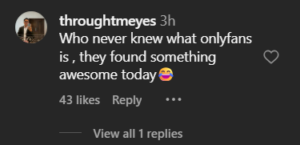
On the other hand, critics have voiced strong concerns about the ad’s suggestive tone and its placement in a family-oriented setting. Some viewers argued that the reference to an adult platform is unnecessary and ‘normalizes’ inappropriate content for younger audiences.
Across social media, people have been divided in their response. While some believe the ‘bait and switch tactic’ successfully drove a level of organic engagement that traditional advertising rarely achieves. At the same time, platforms like LinkedIn saw sharper criticism, with many calling the ad ‘tasteless’ and questioning whether brands are compromising their values in the pursuit of virality.
Despite the controversy, the campaign has achieved its primary goal of generating widespread awareness for the ‘Cooling Days’ sale. Flipkart appears to be leaning into an increasingly edgier advertising strategy to stay relevant with urban, tech-savvy consumers.
However, the ongoing debate highlights the fine line brands must walk between being culturally ‘witty’ and being seen as offensive by more conservative segments of the Indian audience.
Brand Beats’s Takes
The campaign reflects a clear shift towards attention driven marketing, where capturing immediate interest takes priority over traditional product storytelling. By using a provocative cultural reference, the ad is structured to interrupt user attention and create instant recall, positioning the sale as something people talk about rather than just notice.
The initial setup creates a specific expectation, which is then subverted through a family oriented twist. This structure increases shareability, as the payoff depends on the audience staying through the narrative, making the content more likely to be watched, discussed, and circulated.
At the same time, the campaign shows how this kind of format can lead to mixed reactions. The same idea that grabs attention and keeps people engaged also makes the tone a bit unclear. Because of this, different people see it differently. Some focus on how creative and smart the ad is, while others pay more attention to the suggestive parts and the setting.