

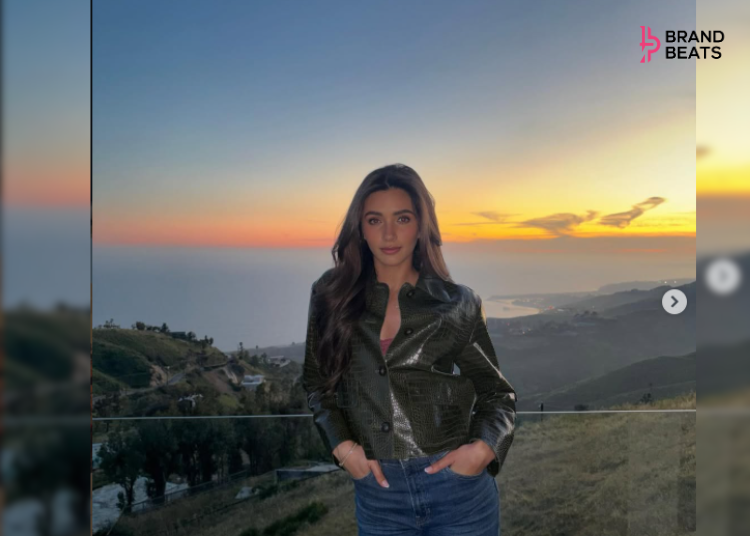
Indian-Origin influencer Priya Patel has come under intense scrutiny after a viral video expressing her views on immigration triggered widespread backlash across social media and mainstream platforms.
The controversy began after Patel posted a video stating that “immigration without assimilation is invasion,” a remark that quickly gained traction online, reportedly amassing millions of views within days. The statement ignited a polarised debate, with critics questioning both the tone and implications of her stance, particularly given her own immigrant background.
Patel, known for her conservative and pro-MAGA commentary online, has frequently spoken on issues related to culture, identity and immigration. However, this particular video amplified attention on her content, drawing criticism from users who pointed to what they perceived as a contradiction between her views and her Indian heritage.
The video sparked a wave of strong reactions across platforms like X and Instagram, with many users calling out what they saw as “hypocrisy”. Several commenters criticised Patel for taking a hardline stance on immigration despite her own immigrant lineage, with some saying her remarks were “tone-deaf” and “dismissive of multicultural realities.”
Others took issue with her statement that “not all cultures are equal,” arguing that it reinforced harmful stereotypes and exclusionary thinking. A section of users also highlighted how such narratives, when amplified by influencers, can shape public perception in polarising ways.
At the same time, Patel found support among certain groups who defended her views as a legitimate opinion on immigration policy. Supporters argued that advocating for assimilation and stricter controls does not negate one’s own background, framing the backlash as an overreaction.
The issue extended beyond social media when Patel appeared on Piers Morgan Uncensored, hosted by Piers Morgan. During the interview, her views were challenged, particularly in relation to her background. In the course of the discussion, Patel acknowledged her Indian roots, explaining her family’s migration journey through multiple countries before settling in the United States.
The interview added another layer to the controversy, as critics argued that her stance on immigration appeared at odds with her own family history. Online discourse ranged from accusations of hypocrisy to broader conversations around identity, assimilation and belonging in multicultural societies.
The episode also highlights the growing influence and scrutiny of digital creators operating at the intersection of politics and culture. As social media continues to amplify individual voices to global audiences, controversies like this raise important questions about accountability, nuance and the responsibilities that come with large-scale influence.