

Have you ever walked into a store with no intention of buying anything, only to leave carrying a shopping bag?
Maybe it was the smell of freshly baked bread drifting through the entrance. Maybe it was the calming music playing softly in the background. Maybe it was the warm lighting that made the space feel inviting, or the satisfying weight of a product in your hands that somehow made it feel more premium.
You probably told yourself you simply “liked the vibe.”
But chances are, that feeling wasn’t accidental. It was designed.
Every day, consumers are exposed to thousands of advertisements on their phones, televisions, billboards, social media feeds, and even inside the apps they use. Most of these messages disappear from memory within minutes. Yet somehow, a familiar fragrance can instantly remind you of a favourite café. A short melody can make you think of a brand before you’ve even seen its logo. The sound of opening a soft drink bottle, the texture of premium packaging, or the comforting smell of leather inside a store can evoke emotions that last much longer than an advertisement ever could.
That’s because human beings don’t simply remember what they see, they remember what they experience. And increasingly, brands are designing those experiences with remarkable precision.
Walk into a Starbucks café and before you’ve even placed an order, your senses have already begun working. The aroma of freshly ground coffee fills the room. Soft music creates a slower pace. Warm wooden interiors make the space feel comfortable enough to linger. Your drink arrives with your name handwritten on the cup, turning an everyday purchase into something that feels personal.
Similarly, opening a new iPhone has become an experience in itself. The minimal white packaging, the smooth finish of the box, the carefully engineered resistance as the lid lifts, and the neatly organised accessories all create a sense of anticipation before the phone is even switched on.
Neither experience happens by chance.
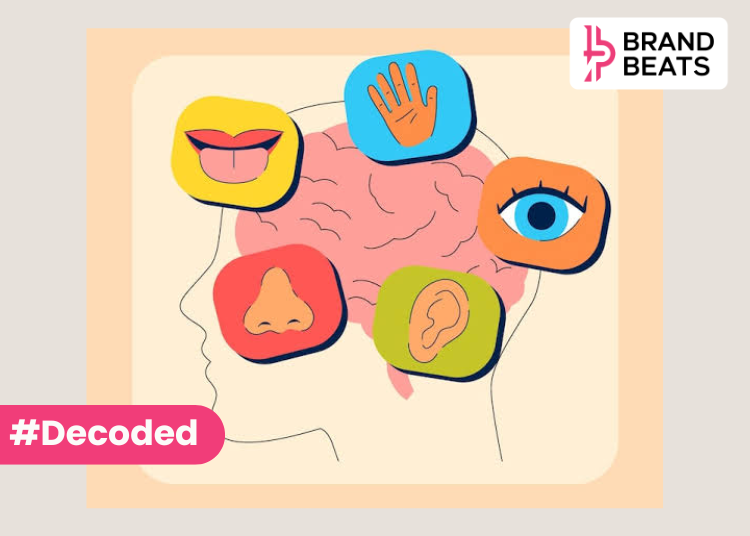
These are examples of sensory marketing, a strategy that uses sight, sound, smell, taste and touch to influence how consumers feel about a brand.
Rather than relying only on advertising messages or promotional offers, sensory marketing creates emotional associations that make brands easier to remember and harder to replace. Research suggests that experiences engaging multiple senses strengthen memory, emotional attachment and brand recognition because the brain processes sensory information far more deeply than words alone.
In other words, the strongest brands aren’t simply trying to be seen. They’re trying to be felt.
What Is Sensory Marketing?
Sensory marketing is a branding and consumer psychology strategy that deliberately engages one or more of the five human senses sight, sound, smell, taste and touch to influence purchasing decisions and strengthen emotional connections with consumers.
While traditional marketing often focuses on communicating product features or prices, sensory marketing focuses on creating experiences.
The idea is simple: when consumers associate a pleasant sensory experience with a brand, they’re far more likely to remember it, trust it and return to it in the future.
Think about it. You may forget a discount you saw online last week. But you’ll probably remember the smell of coffee in your favourite café, the crunch of your favourite chips, or the familiar tune that plays every time a particular brand appears on television.
That’s because sensory experiences become memories and memories drive purchasing decisions.
Why Our Brains Respond So Strongly To The Senses
Human memory isn’t built only through facts, it’s built through emotion.
Scientific research has long shown that sensory experiences particularly smell and sound—have a unique connection with the parts of the brain responsible for emotion and long-term memory. That’s why a particular perfume can remind you of someone you haven’t met in years, or why a song instantly transports you back to a specific moment in your life.
Brands use this same psychological principle. Instead of asking consumers to consciously remember them, they create experiences that the brain stores naturally. The more senses involved, the stronger the memory becomes.
This explains why consumers often describe certain brands as feeling “premium,” “comforting” or “luxurious” without necessarily being able to explain why.
Often, those feelings have been carefully designed.
How Indian Brands Are Using Sensory Marketing
Starbucks India
For Starbucks, coffee is only one part of the product. Step into any Starbucks outlet and you’ll notice the experience long before the first sip. The aroma of freshly brewed coffee greets customers at the entrance, soft background music slows the pace of the environment, warm lighting creates comfort, and wooden interiors give the café a welcoming feel.
Even writing customers’ names on cups adds a personal touch that transforms a routine coffee purchase into a memorable ritual.
Starbucks isn’t just serving beverages, it’s creating an environment people want to return to.

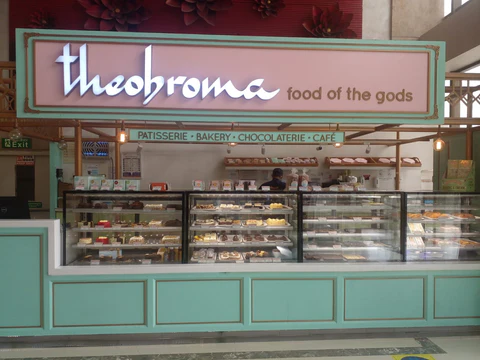
Theobroma: When The Smell Does The Marketing
Walk past a Theobroma outlet and chances are you’ll notice the aroma before you notice the signboard.
Freshly baked brownies, cookies and pastries create an irresistible sensory cue that attracts customers inside. The visual display of desserts combined with the smell of baking often becomes more persuasive than any advertisement.
Sometimes, the product markets itself.
The Five Senses Every Brand Wants To Own
Successful sensory marketing usually combines multiple senses rather than relying on just one.
- Sight shapes first impressions through colours, packaging, lighting and store design.
- Sound creates recognition through jingles, notification tones and sonic logos.
- Smell triggers emotion and memory more directly than almost any other sense.
- Taste builds familiarity and encourages repeat purchases.
- Touch influences perceptions of quality through packaging, materials, textures and even the weight of a product.
The brands consumers remember best are often those that create consistency across all these touchpoints.
Consumers like to believe they make rational purchasing decisions. We compare prices, read reviews and evaluate features. But psychology suggests that many decisions begin much earlier at the moment a brand makes us feel something.
The comforting aroma of coffee, the crisp sound of opening a cold soft drink, the texture of premium packaging, the familiar melody that instantly reminds us of a trusted brand and in a world overflowing with advertisements, that feeling may be a brand’s most powerful competitive advantage.
FAQs
- What is sensory marketing?
Sensory marketing is a marketing strategy that uses one or more of the five human senses—sight, sound, smell, taste and touch—to create memorable brand experiences and influence consumer behaviour.
- Why is sensory marketing effective?
Sensory marketing works because sensory experiences are closely linked to memory and emotions. Brands that engage multiple senses are often easier to remember and build stronger emotional connections with customers.
- What are some examples of sensory marketing in India?
Brands such as Starbucks India, Titan, Forest Essentials, Paper Boat and Theobroma use sensory marketing through signature aromas, sounds, packaging, store design and product experiences to strengthen brand recall.
- What is the difference between sensory marketing and sensory branding?
Sensory marketing refers to using sensory cues in marketing campaigns and customer experiences to influence purchasing decisions. Sensory branding is the long-term strategy of making those sensory elements such as a signature sound, scent or visual identity—part of a brand’s identity.
- Which five senses are used in sensory marketing?
The five senses used in sensory marketing are sight, sound, smell, taste and touch. Brands often combine multiple senses to create immersive experiences that improve customer engagement and loyalty.