
In an era where cola giants and fizzy drink stalwarts dominate screens with celebrity-led storytelling, Lahori Zeera quietly steals the spotlight by doing the opposite. Its latest digital film doesn’t sell refreshment in the conventional sense, it sells belonging. And it does so with playful absurdity, visual wit and a deep understanding of everyday Indian life.
An Idea That Actually Fits
At first glance, We see people drilling neat, bottle-shaped holes through objects, a car roof, a helmet, a pressure cooker lid, even an umbrella. There’s no explanation, no dialogue, no setup. Then comes the reveal: each cut-out is perfectly sized for a bottle of Lahori Zeera. The message lands instantly this drink fits anywhere, anytime, into any moment.
What truly sets the film apart is its confidence in visual storytelling. The absence of dialogue isn’t a trick; it’s a creative choice that allows the idea to travel across languages, regions and platforms effortlessly. The rhythmic editing and background score guide the viewer through the narrative, making the film feel almost musical in structure.
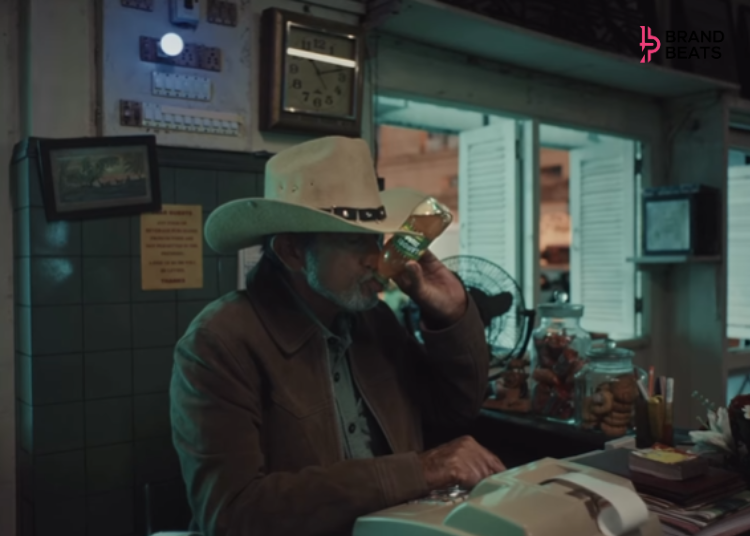
Instead of telling audiences when to drink Lahori Zeera, the brand shows how naturally it slips into daily life at work, at home, on the street, during moments both mundane and memorable. It’s not aspirational in a glossy sense; it’s aspirational in its ease and universality.
A Masala Soda That Belongs Everywhere
What the campaign ultimately achieves is a subtle shift in perception. Lahori Zeera isn’t positioned as an occasional indulgence or a special-occasion drink. It’s framed as a constant — something that exists seamlessly within the flow of life.
That’s where the brilliance lies. By elevating ordinary moments rather than manufacturing extraordinary ones, the brand makes itself indispensable. At this point, “Har Koi Peera, Lahori Zeera” feels less like branding and more like an observation of everyday life.
There’s something distinctly desi about the campaign’s sensibility. Lahori Zeera isn’t trying to mimic global cola advertising codes. Instead, it leans into its cultural roots as a masala soda, pairing that identity with modern, internet-first storytelling.