


When CRED launched in 2018, it wasn’t entering an empty market. It stepped into one of India’s most crowded categories of fintech where almost every brand was competing on cashback, discounts, convenience and transaction speed.
Yet, CRED rarely spoke about any of those things.
Instead of selling utility, it sold aspiration. Instead of explaining features, it created conversations. Instead of chasing everyone, it deliberately chose a niche audience. And instead of making “advertisements”, it made internet culture.
Whether it was Rahul Dravid transforming into the “Indiranagar Ka Gunda,” former cricketers becoming a boy band, or celebrities laughing at themselves, CRED proved that memorable brands aren’t always built by shouting product benefits they’re built by creating stories people voluntarily share.
Behind the bizarre humour and seemingly random campaigns lies a carefully crafted marketing strategy rooted in psychology, positioning and long-term brand building. While not every business can replicate CRED’s style, there are several principles from its playbook that marketers across industries can adapt.
Here are 10 lessons every brand manager can learn from CRED.
1. Build a Brand Before You Sell a Product
One of CRED’s biggest differentiators is that it rarely starts with product communication.
Instead of saying, “Pay your credit card bills here,” it first builds curiosity, familiarity and emotional recall. The product becomes secondary to the brand experience.
This is especially important in categories where products are easy to imitate. Competitors can copy features, but they cannot easily replicate a distinctive brand personality.
Example
The “Not Everyone Gets It” IPL campaign barely explained the app. Instead, it made audiences remember CRED as an unconventional premium brand. Millions searched for the app simply because they wanted to understand the hype.
Lesson: Strong brands create demand before explaining functionality.
2. Don’t Market to Everyone
Most brands try to maximise reach. CRED did the opposite.
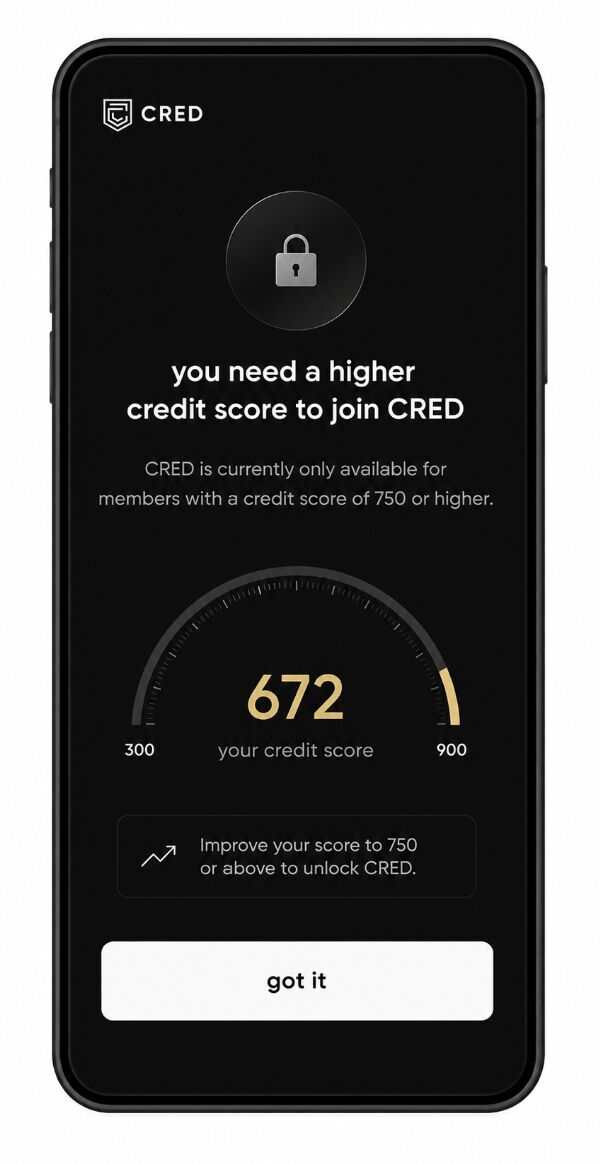
By allowing only users with high credit scores to join initially, it intentionally reduced its audience. But this exclusivity made membership feel valuable. Scarcity often increases perceived desirability.
Rather than appearing exclusionary, CRED made users feel they were joining an elite community of financially responsible individuals.
Example
The 750+ credit score requirement became more than an eligibility criterion, it became one of CRED’s strongest marketing messages and a symbol of status.
Lesson: Sometimes narrowing your audience strengthens your positioning.
3. Entertainment Travels Further Than Advertising
People rarely share advertisements.
They do share entertaining content.
CRED realised early that its real competition wasn’t other fintech companies—it was every piece of content competing for consumers’ attention.
So it stopped making conventional ads and started producing content people wanted to discuss.
Example
Rahul Dravid’s “Indiranagar Ka Gunda” campaign generated memes, social media conversations, media coverage and pop culture references that extended far beyond paid media. The campaign became entertainment first and advertising second.
Lesson: Create content worthy of sharing, not just viewing.
4. Make People Curious Instead of Explaining Everything
Most advertisements answer every possible question. CRED deliberately leaves viewers wondering. This curiosity creates discussions, internet searches and repeat views. Psychologically, people are naturally inclined to seek closure when information feels incomplete.
Example
Several CRED IPL commercials hardly mentioned the product, prompting audiences to search online, discuss the ads and discover the platform themselves.
Lesson: Curiosity often generates stronger engagement than over-explanation.
5. Consistency Matters More Than Constant Reinvention
Although every CRED campaign feels fresh, they all follow a recognisable creative pattern.
- Unexpected celebrities.
- Self-deprecating humour.
- Absurd storytelling.
- Minimal product selling.
This consistency has built instant brand recognition.
Rather than changing its personality every season, CRED evolves within the same creative universe.
Example
From “Not Everyone Gets It” to Rahul Dravid, Venkaboys and later celebrity campaigns, the humour changes but the brand voice remains unmistakably CRED.
Lesson: Build distinctive brand assets instead of reinventing yourself every campaign.
6. Use Nostalgia With a Modern Twist
Nostalgia creates instant emotional connection. CRED frequently revives celebrities from the 80s, 90s and early 2000s but places them in completely unexpected situations.
This makes older audiences feel nostalgic while younger audiences enjoy the absurdity. The result is cross-generational appeal.
Example
Campaigns featuring Anil Kapoor, Madhuri Dixit, Bappi Lahiri and other familiar personalities gave classic icons humorous, self-aware roles instead of relying on conventional celebrity endorsements.
Lesson: Familiar faces become more memorable when they’re used in unfamiliar ways.
7. Let Positioning Guide Every Marketing Decision
Every successful brand has a central idea. For CRED, that idea is premium.
That positioning influences everything from visual design and partnerships to rewards, tone of voice and advertising. Nothing feels disconnected from the core brand promise.
Example
CRED partners with premium brands, offers exclusive experiences and maintains a minimalist design language that reinforces its upscale identity.
Lesson: Every campaign should reinforce the same brand perception.
8. Amplification Is as Important as Creativity
A great campaign doesn’t automatically become successful. It needs distribution. CRED treats every advertisement like a content property rather than a one-time TV commercial. Beyond media buying, it actively fuels conversations through influencers, social media, PR and internet culture.
Example
Its IPL campaigns quickly spread across Instagram, YouTube, LinkedIn and meme pages, extending their life well beyond television broadcasts.
Lesson: Creative ideas succeed when backed by equally strong amplification.
9. Turn Users Into Brand Ambassadors
Kunal Shah often speaks about creating products people naturally want to recommend. He describes this as a Unique Brag-worthy Proposition (UBP) something users feel proud to tell others about. Instead of relying solely on advertising, CRED gives customers reasons to start conversations.
Example
Being eligible for CRED, collecting rewards and accessing exclusive offers became part of users’ social identity, encouraging organic word-of-mouth.
Lesson: The best marketing happens when customers voluntarily market your brand.
10. Be Polarising, Not Forgettable
Perhaps CRED’s biggest marketing lesson is that indifference is more dangerous than criticism. Many people don’t understand CRED’s ads. Some love them. Others dislike them.
But almost everyone remembers them. In today’s crowded attention economy, memorability often matters more than universal approval.
Example
From its earliest IPL campaigns to its later celebrity-led commercials, CRED consistently sparked debates about whether the ads were brilliant or bizarre. That discussion itself became free publicity and strengthened recall.
Lesson: If your campaign starts conversations, it has already won half the battle.
CRED’s marketing isn’t successful because it is quirky, it is successful because every creative decision serves a larger strategic purpose. The humour builds memorability. The exclusivity reinforces positioning. The celebrity casting fuels conversation. And the consistency strengthens brand recall over time.
The biggest takeaway for brand managers isn’t to imitate CRED’s eccentric style, but to understand the thinking behind it. Great marketing isn’t about following category conventions; it’s about building a brand so distinctive that people remember it long after the campaign ends.
In an era where consumers scroll past thousands of messages every day, CRED demonstrates that attention isn’t bought through louder advertising, it is earned through sharper positioning, stronger storytelling and the courage to be different.