


There are brands that advertise, and then there is Amul, which somehow manages to turn whatever India is talking about into advertising.
From cricket matches and movie releases to political moments and cultural festivals, the Amul Girl has been showing up with a pun before most brands have even finished scheduling a post. The interesting part is not simply that Amul is topical.
It is that the brand has made topicality a long-term habit rather than an occasional marketing stunt.
But the Amul playbook goes far beyond clever billboards. Its strength comes from a combination of consistency, affordability, distribution, trust, cultural familiarity and an ability to stay relevant without constantly changing what the brand stands for.
That makes Amul less of a case study in advertising and more of a lesson in how a mass brand can remain culturally visible for decades.
Here are 8 marketing lessons brands can learn from Amul
1. Be Fast Enough to Join the Conversation
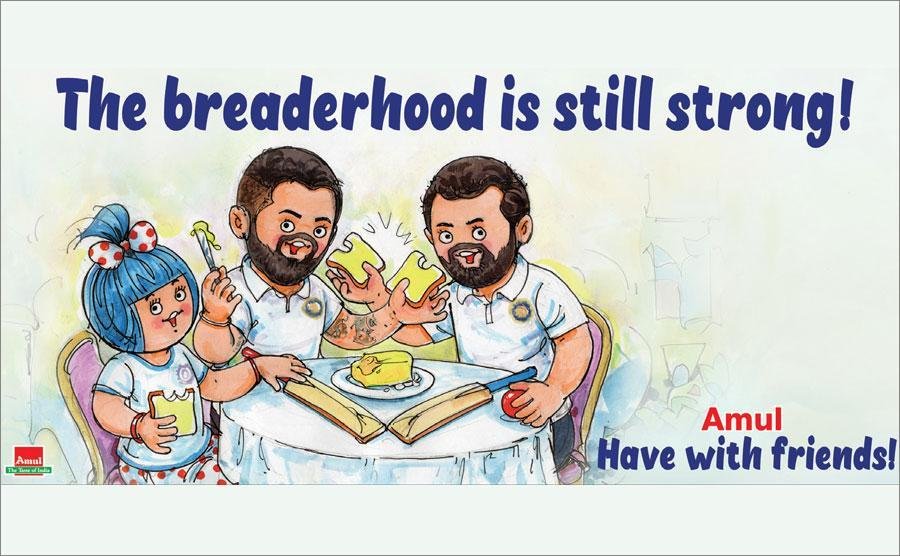
Amul has turned speed into one of its most recognisable marketing assets. When something major happens in India, the brand often responds with a simple illustration and a pun that connects the event with its everyday products. The creative does not need a long explanation because the cultural reference does most of the work.
That only works when a brand is built to move quickly.
A topical campaign loses much of its value if the approval process takes days and the cultural conversation has already moved on. Amul shows that real time marketing is less about posting frequently and more about being relevant at exactly the right moment.
Lesson:
Do not chase every trend. Build the ability to identify moments that naturally connect with your brand and respond while people are still paying attention.

2. Build Emotional Nostalgia and Continuity
The Amul Girl has been around for generations, but the character still feels familiar. The hand drawn style, the red and white visual identity and the distinctive humour have remained remarkably consistent even as advertising platforms have changed around them.
That consistency gives the brand an advantage that many modern brands spend heavily trying to build. Consumers do not need to see the logo to know who is speaking. Whether the creative appears on a billboard, newspaper, social media post or digital screen, the personality remains recognisable.
Lesson:
Keep the brand elements people remember, while evolving the formats and platforms around them. Recognition is an asset, not something brands should keep resetting.

3. Prioritize Absolute Value for Money
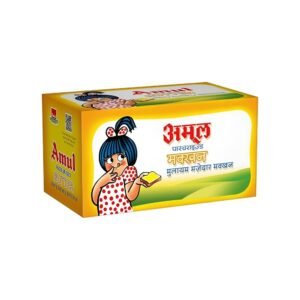
Amul did not build its reputation by positioning everyday dairy products as luxury purchases. Milk, butter, cheese, ice cream and other products have largely been built around mass consumption and accessibility.
The value proposition is therefore not simply a pricing tactic. It is part of how consumers understand the brand.
This becomes particularly important in a category where people make frequent purchases. A small difference in price can matter when a product enters the shopping basket every week. By staying relevant to everyday consumption, Amul keeps its products within reach of a very broad consumer base.
Lesson:
In 2026, when consumers are increasingly conscious about what they spend, a clear value proposition can build stronger loyalty than endless promotional offers.
4. Let the Message, Not Celebrities, Be the Star
Amul has managed to remain culturally visible without making celebrity endorsement the centre of its communication. Instead, the brand has built an identifiable voice around wordplay, topical humour and the Amul Girl.
That is a useful reminder in an industry where celebrity association can sometimes become the easiest shortcut to attention. A famous face may generate awareness, but a distinctive brand voice gives consumers something they can recognise even when there is no celebrity in the frame.
Lesson:
Before spending heavily on influencers or celebrities, build a brand voice people can recognise without seeing the logo. Memorability should not depend entirely on borrowed fame.

5. Think Local Even When You Operate at Massive Scale
Amul operates at a scale that most brands can only dream of, yet its communication frequently taps into local festivals, regional culture, sports, entertainment and everyday Indian experiences. The result is a brand that feels familiar across very different consumer groups.
The bigger lesson sits behind the advertising. Scale does not necessarily require communication to become generic. A large organisation can maintain operational scale while still adapting its communication to the cultural context of different audiences.
Lesson:
National reach and local understanding can coexist. Use centralised infrastructure to scale efficiently, but make communication feel relevant to the culture, language and context of the audience.
6. Protect Core Trust Before Expanding Products
Amul did not become a household name by launching dozens of unrelated products at once. Its brand equity was built around dairy and everyday food products before expanding across categories such as milk, butter, cheese, ice cream and chocolates.
This matters because consumers often transfer their expectations from one product to another. If they already associate a brand with quality and reliability, a new product has a better chance of getting consideration. The reputation of the original category becomes an entry point into the next one.
Lesson:
Product expansion becomes easier when consumers already trust what the brand stands for. Strong brand equity should be the foundation for entering new categories, not an afterthought.
7. Turn Brand Assets Into Memory Shortcuts
Amul has something many brands struggle to create: distinctive brand assets that can work even without the logo. The Amul Girl, the red and white colour palette, the hand drawn illustration style and the familiar visual format have become strongly associated with the brand.
That gives Amul an unusual advantage. Its advertising does not have to spend too much time explaining who is speaking. The visual language itself carries the brand. In a crowded digital environment, where consumers scroll past hundreds of pieces of content every day, that kind of instant recognition becomes increasingly valuable.
Lesson:
Build distinctive brand assets that consumers can recognise within seconds. A memorable character, colour, visual style or recurring format can make a brand identifiable even before the logo appears.
8. Blend Traditional Out-of-Home (OOH) with Digital Agility
Amul is strongly associated with its physical hoardings and print style, but the same topical creatives can travel across social platforms almost instantly. The idea does not need to be rebuilt from scratch for every channel.
This is an important shift in thinking about omnichannel marketing.
The objective is not necessarily to create completely different campaigns for every platform. Sometimes the smarter approach is to build one strong idea and allow it to move naturally from physical spaces to digital feeds.
Lesson:
Do not create disconnected campaigns for every platform. Build a strong central idea that can move from billboards and print to Instagram, YouTube and other digital touchpoints without losing its identity.
Brand Beats’ Take
Amul’s edge goes beyond topical ads. Its real strength lies in consistency, value, trust and cultural relevance. For brands in 2026, the lesson is simple: relevance gets attention, but a strong brand foundation keeps it.
FAQs
- What is Amul’s marketing strategy?
Amul’s marketing strategy combines topical advertising, strong brand identity, affordable pricing, wide distribution and consistent consumer communication.
- Why is Amul’s advertising so popular?
Amul uses timely events, simple visuals and witty messaging to connect its products with conversations consumers already care about.
- What is Amul Girl marketing?
Amul Girl is the brand’s iconic mascot, known for appearing in topical advertisements based on current events, culture and popular conversations.
- Why does Amul use topical advertising?
Topical advertising helps Amul stay culturally relevant by connecting its brand with events and trends that are already attracting public attention.
- What can brands learn from Amul’s marketing?
Brands can learn the importance of consistency, cultural relevance, strong brand assets, value, trust and timely communication.