

Before social media became dominated by short videos, algorithms, and endless scrolling, the internet felt very different. People logged in from desktop computers, waited for pages to load, customized profiles with bright colors, and spent hours chatting online after school or work.
The early internet was filled with platforms that millions of users across the world used regularly. Some introduced features that are now standard across modern apps, while others created online cultures that people still remember years later.
Even though many of these platforms eventually faded away, they remain an important part of internet nostalgia. From messaging apps and social networking sites to early short video platforms, these names once shaped how people communicated online.
These platforms also played an important role during the early years of online communication and social networking. Even years later, their names continue to bring back memories of a very different era of the internet, when online interactions felt simpler, slower, and deeply personal.
Here are nine internet platforms that once dominated screens and online conversations.
-
Orkut
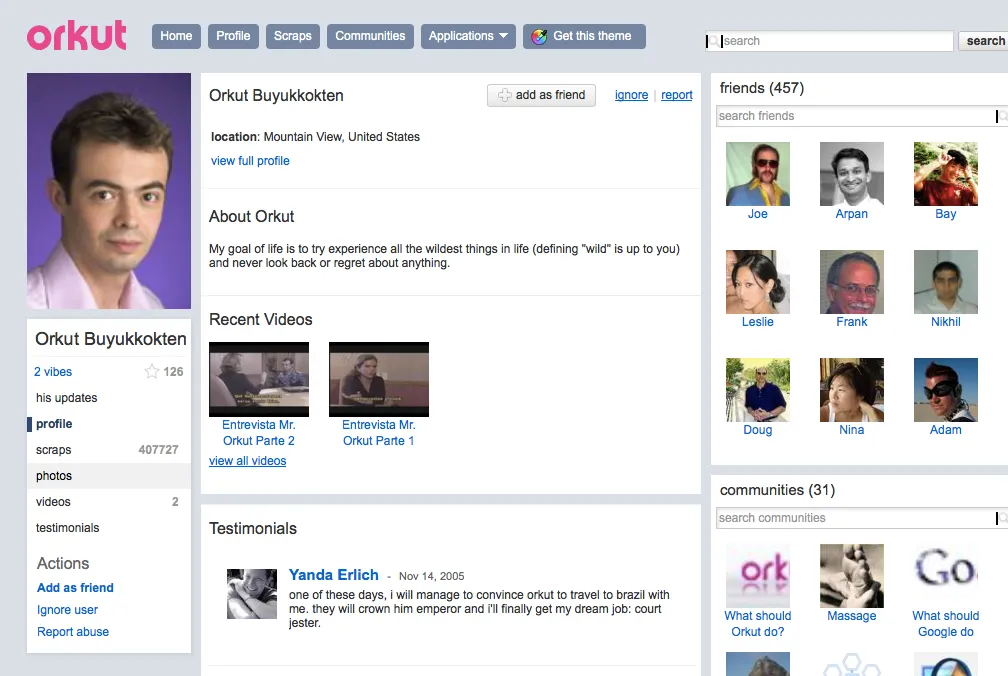
For millions of internet users, Orkut was one of the first social networking platforms that truly felt personal. Launched by Google in 2004, Orkut became widely popular because of its simple design and community focused experience. Users could create detailed profiles, leave scrapbook messages for friends, join communities based on interests, and collect testimonials from people in their network.
One of Orkut’s most memorable features was its social ranking system, where friends could rate each other on qualities. The platform also encouraged people to discover communities around movies, music, colleges, hobbies, and local interests. At a time when social media was still evolving, Orkut became an important digital hangout space for an entire generation of early internet users.
Orkut was shut down on September 30, 2014, after Google said it wanted to focus on its other social networking initiatives, with the company also noting that growth in communities across products like Facebook, YouTube, Blogger, and Google+ had outpaced Orkut’s growth.
-
Yahoo! Messenger
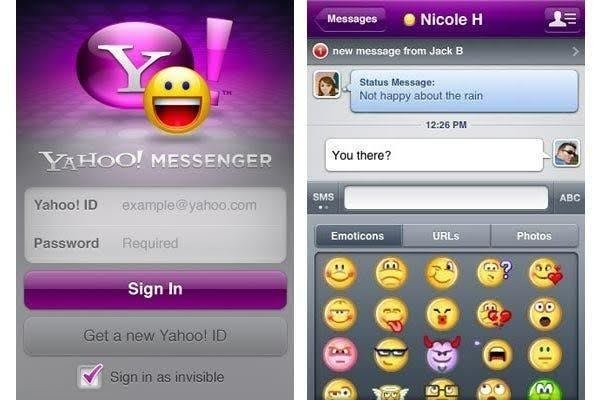
Yahoo! Messenger played a major role in online communication during the early 2000s. The platform allowed users to send instant messages, update status messages, share emoticons, and later even make voice and video calls. For many people, it became a daily routine to log in after school or office hours and spend time chatting with friends and family.
One of its standout features was the “Buzz” option, which shook the chat window and instantly grabbed attention. Yahoo! Messenger also became known for its custom status messages and display pictures, which users frequently changed to reflect moods, song lyrics, or special occasions. Long before modern messaging apps became common, Yahoo! Messenger introduced many people to real time online communication.
Yahoo said the service would be discontinued on July 17, 2018, and said it was focusing on newer communications tools as the communications landscape changed.
-
BlackBerry Messenger

BlackBerry Messenger, popularly known as ‘BBM’, became one of the most influential messaging platforms of its time. Available exclusively on BlackBerry devices during its peak years, BBM introduced several features that later became standard across messaging apps. It offered read receipts, typing indicators, media sharing, and group chats at a time when these features still felt new.
Users connected through unique BBM PINs rather than phone numbers, which gave the platform its own identity and community culture. BBM status updates also became extremely popular among students and professionals alike. The platform played a major role in making mobile messaging faster, more interactive, and more personal during the rise of smartphones.
BBM was officially shut down for consumers in May 2019 after its operator, Emtek, said the messaging industry had become highly fluid and users had moved to other platforms that offered broader features and scale.
-
Hike Messenger

Hike Messenger emerged during the early smartphone boom in India and quickly became one of the country’s most recognised messaging apps. Launched in 2012, Hike attracted users with features designed specifically for Indian audiences. The app offered regional stickers, personalized themes, hidden chats, and free SMS support, which was especially useful during a period when mobile internet access was still expanding across the country.
One of Hike’s most talked about features was Hike Direct, which allowed nearby users to communicate without internet connectivity. The app also became popular for features like hidden chats, personalized sticker packs, and group conversations, which made it especially appealing to younger smartphone users in India. Its youthful design and localized approach helped it build strong popularity during its peak years.
The app was officially shut down on 14 January 2021, and Hike said it was sunsetting StickerChat as it moved focus to new apps such as Rush and Vibe.
-
Omegle
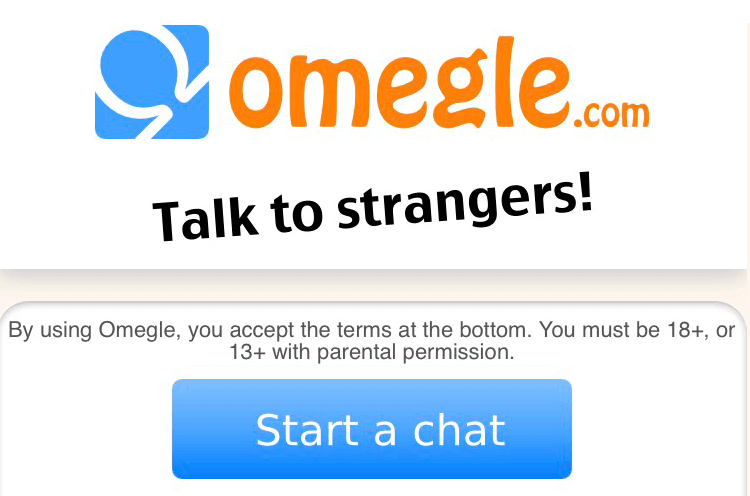
Omegle became widely known for introducing random online conversations between strangers from around the world. Launched in 2009 in the United States, the platform paired users in anonymous one-on-one chats without requiring registration. Its simple concept quickly attracted curiosity because every conversation was completely unpredictable.
Over time, Omegle added interest based matching, allowing users with similar topics or hobbies to connect more easily. The platform became especially popular among younger internet users who wanted to meet new people and experience spontaneous conversations online. Its anonymous format made it one of the most unique online communication platforms of its era.
Omegle shut down on November 9, 2023, and founder Leif K Brooks said operating it was no longer sustainable financially or psychologically, while also pointing to serious misuse of the platform, including abuse involving minors.
-
Google+

Google+ was Google’s attempt to build a large-scale social networking platform during the rise of Facebook and Twitter. Introduced in 2011, the platform focused heavily on organized social sharing and privacy controls. One of its key features was “Circles,” which allowed users to separate contacts into different groups such as friends, family, or colleagues while sharing content selectively.
The platform also introduced features like Communities, where users could join discussions based on shared interests, the +1 button that worked similarly to a like feature, and Sparks, a content discovery tool that recommended articles and topics based on user interests. Google+ also became popular among photographers, technology enthusiasts, and professional communities because of its clean interface and high quality image sharing experience.
Google shut down the consumer version of Google+ in April 2019 after the company said the platform had low user engagement. Further, media reports back in the day also cited a data exposure issue affecting user information as another contributing factor behind the shutdown.
-
Google Hangouts
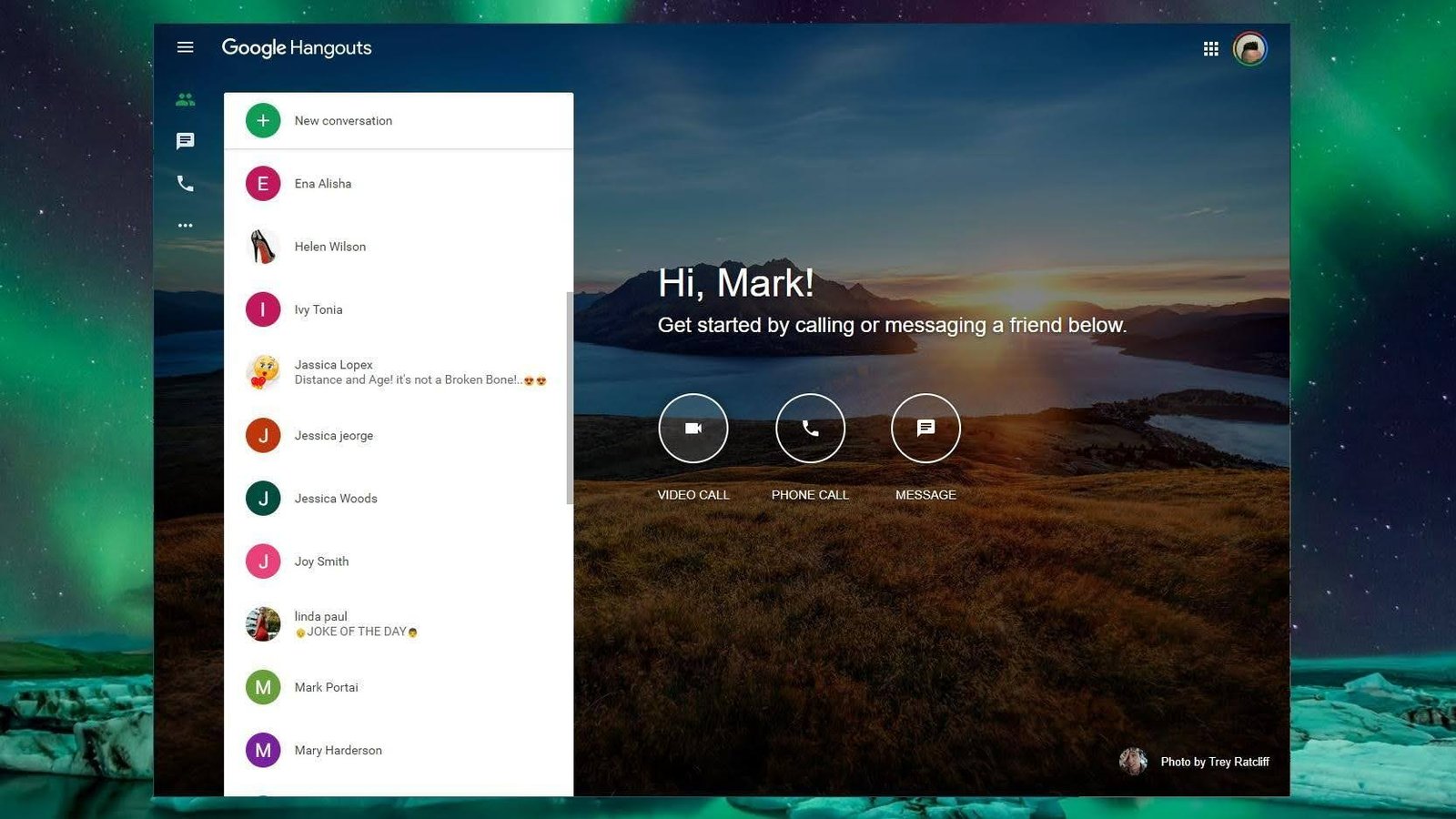
Google Hangouts became a widely used communication platform for messaging, voice calls, and video conversations. The service evolved from Google Talk and was integrated closely with Gmail and other Google services. Its accessibility across laptops, Android phones, and web browsers made it convenient for students, professionals, and families.
It also supported group conversations, file sharing, emoji reactions, and searchable chats while working closely with Gmail and other Google services. Google phased out Hangouts in November 2022 as part of its shift toward Google Chat, which it positioned as a more modern communication platform.
Google officially shut down Hangouts on November 1, 2022, as the company transitioned users to Google Chat and Google Meet as part of its newer communication services strategy.
-
Vine
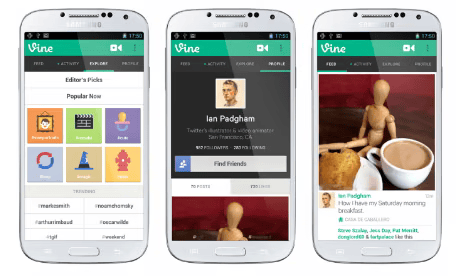
Vine helped shape the early culture of short form internet videos years before the format became mainstream worldwide. Launched in 2013 after being acquired by Twitter in October 2012, the platform allowed users to create and share looping six second videos. Despite the short duration, creators found highly creative ways to make comedy sketches, edits, storytelling clips, and trends that spread rapidly across the internet.
The looping format became Vine’s signature feature and encouraged fast paced, highly shareable content. Several internet creators who first gained popularity on Vine later became well known across larger social media platforms and entertainment industries.
Twitter announced in October 2016 that Vine would be discontinued, and the app officially shut down in January 2017. According to the company, the decision came as it shifted focus toward other video initiatives and products.
-
Ask.com

Ask.com, originally launched as ‘Ask Jeeves’, became one of the internet’s early question answering search platforms. Unlike traditional search engines that focused mainly on keywords, Ask.com encouraged users to type complete questions in a conversational format. This approach helped make online search feel more accessible to everyday users who were still becoming familiar with internet browsing.
The platform became recognizable for its Jeeves character and its focus on making information discovery simpler and more interactive. During the early growth of the internet, Ask.com was among the platforms that helped shape how users searched for answers online.
Ask.com officially shut down its search business on May 1, 2026, with parent company IAC confirming the closure through a farewell message on the platform. Over the years, media reports noted that the service struggled to keep pace with larger competitors like Google and had gradually stepped away from direct competition in the search engine market.