

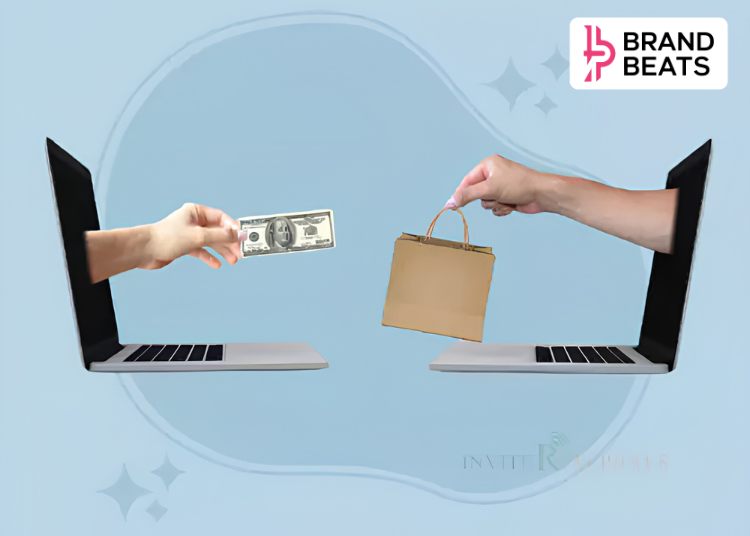
Rooted in one of the oldest human social instincts, reciprocity has become one of modern marketing’s most powerful psychological tools, where brands strategically give consumers something useful, enjoyable, or exclusive in order to encourage engagement, loyalty, word-of-mouth, and eventual conversion
A waiter places two mints beside the bill. Nothing unusual, restaurants do it all the time.
But in a famous study by psychologist David Strohmetz, something interesting happened. When diners received one mint, tips increased by around 3%. Two mints pushed the increase higher. But when the waiter handed over one mint, started walking away, paused, turned back, smiled, and said, “For you nice people, here’s an extra mint,” tips reportedly jumped by more than 20%.
The mint itself was almost worthless, what changed was the feeling behind it.
The customers no longer felt like they were receiving a standard restaurant courtesy. They felt personally chosen. And the moment humans feel someone has done something for them, even something tiny, a quiet psychological pressure begins to build: the desire to return the gesture.
That instinct sits at the heart of one of marketing’s most powerful and most misunderstood psychological principles: reciprocity.
For decades, brands have spent billions trying to master it. Not because consumers are irrational, but because reciprocity is deeply human. Long before advertisements existed, reciprocity helped societies survive. Humans exchanged food, favors, protection, and cooperation through an unwritten social contract: if someone gives to you, you give back.
Modern marketing simply repackaged that ancient instinct. Today it appears everywhere.
- The free skincare sachet slipped into an online order.
- The complimentary dessert at a luxury restaurant.
- The “free” Spotify trial before subscription.
- The creator who gives endless advice before selling a course.
- The SaaS company offering free templates, calculators, and reports.
- The cosmetic store associate handing you a sample saying, “Try this, it’ll suit your skin.”
None of these gestures are accidental, they are psychological openings and perhaps the most fascinating part is this: reciprocity works even when consumers know they are being influenced.
Psychologist Robert Cialdini, whose work on persuasion transformed modern marketing theory, identified reciprocity as one of the strongest principles of influence. His research drew attention to how even unsolicited gifts create a subconscious feeling of indebtedness. In one famous experiment by researcher Dennis Regan in 1971, participants who unexpectedly received a Coca-Cola from another person later bought significantly more raffle tickets from him than participants who received nothing. A small favor created measurable compliance.
That experiment has echoed through marketing departments for decades. Because what marketers discovered was simple but profound: before people buy products, they often buy emotional equations and reciprocity changes that equation.
A consumer who sees an ad feels targeted.
A consumer who receives value feels acknowledged.
That distinction matters enormously in an era where audiences are drowning in persuasion attempts. Pop-ups chase users across websites. Algorithms predict desires before people articulate them. Notifications compete for attention every second. Consumers have become resistant to direct selling because they recognize its intent instantly.
Reciprocity bypasses that resistance. Instead of beginning with “Buy now,” the brand begins with “Here’s something useful.” Psychologically, this changes the power dynamic. The consumer no longer feels hunted. They feel helped.
That is why free sampling has remained one of the most effective marketing tools across industries despite the rise of digital advertising. Research published in Marketing Science found that free samples can generate measurable long-term sales effects extending months beyond the initial promotion. Unlike short-term discounting, which often drives temporary purchasing spikes, free samples can accelerate habit formation and attract entirely new consumers who may never have otherwise tried the brand.
In the digital economy, “free” has become infrastructure.
- Google gives away productivity tools.
- Canva offers free design access.
- LinkedIn creators post career advice daily.
- Fintech apps provide free calculators and reports.
- Media companies distribute newsletters without charge.
- Fitness influencers publish routines before selling memberships.
Indian brands have quietly mastered reciprocity by embedding “giving first” into everyday consumer experiences. Zomato, for instance, regularly offers surprise discounts, complimentary delivery benefits through Gold memberships, and personalised reward coupons that make users feel they are receiving value before placing the next order.
Beauty retailer Nykaa frequently includes free skincare or makeup samples inside deliveries, encouraging customers to try new categories without commitment, a strategy particularly effective in beauty because product experience often drives future purchases. Meanwhile, SaaS and fintech companies have adapted reciprocity digitally.
Cred built an entire loyalty ecosystem around rewards, cashback, curated giveaways, and member-exclusive experiences, creating a perception that users are constantly gaining something simply for engaging with the platform.
Content marketing itself is built almost entirely on reciprocity psychology.
When a brand publishes genuinely useful information consistently, audiences begin to feel familiarity and indebtedness over time. The eventual purchase decision feels less like being sold to and more like rewarding a source that has already provided value.
The value arrives before the ask and that sequencing is everything. Because reciprocity works best when the gesture feels voluntary, thoughtful, and human.
Not strategic.
There is a reason people increasingly roll their eyes at “FREE!!!” banners online. Consumers understand today that free trials often come with auto-renewals, hidden conditions, aggressive upselling, or data collection. What once felt generous now sometimes feels like bait.
The emotional magic disappears when generosity becomes visibly transactional.
This is particularly visible in influencer culture. Audiences initially embraced creators who shared authentic recommendations, advice, and routines freely. But as sponsorship saturation increased, viewers became more skeptical. The reciprocity equation broke because audiences no longer felt gifts were genuine; they felt monetised.
And consumers are surprisingly good at detecting intent. Research around persuasion consistently shows that humans resist influence attempts once they become too obvious. Reciprocity is powerful precisely because it operates subtly. The consumer should feel appreciation, not pressure.
The difference is critical. A café giving customers complimentary cookies creates warmth and a salesperson repeatedly insisting “I gave you a discount” creates discomfort.
Luxury stores offer champagne while customers browse. Salespeople provide extensive “free consultations.” Apps unlock premium features temporarily and e-commerce brands send surprise gifts inside packages.
None of these gestures guarantee conversion. But they create emotional conditions favorable to it. This explains why companies aggressively pursue giveaways and beta access programs online. They are not only chasing users. They are chasing evangelists.
Because reciprocity can transform consumers into distributors.
In fact, overusing “free” can damage brands. One major risk is devaluation. When consumers constantly receive discounts, trials, coupons, or giveaways, they begin associating the brand with low commitment rather than premium worth. Entire industries now struggle with this problem. Many streaming platforms trained audiences to rotate subscriptions based on trial offers. Food delivery apps conditioned users to wait for discounts instead of paying full price. Some D2C brands became trapped in endless promotional cycles because customers stopped purchasing without incentives.
Free can create dependency and dependency is not loyalty.
Another problem is expectation inflation. Once customers receive generous treatment repeatedly, it quickly stops feeling special. Humans adapt fast. What once delighted eventually becomes baseline expectation. This forces brands into a dangerous escalation cycle where they must continually give more to maintain the same emotional response.
That is why the most effective reciprocity strategies are often the smallest and most unexpected.