
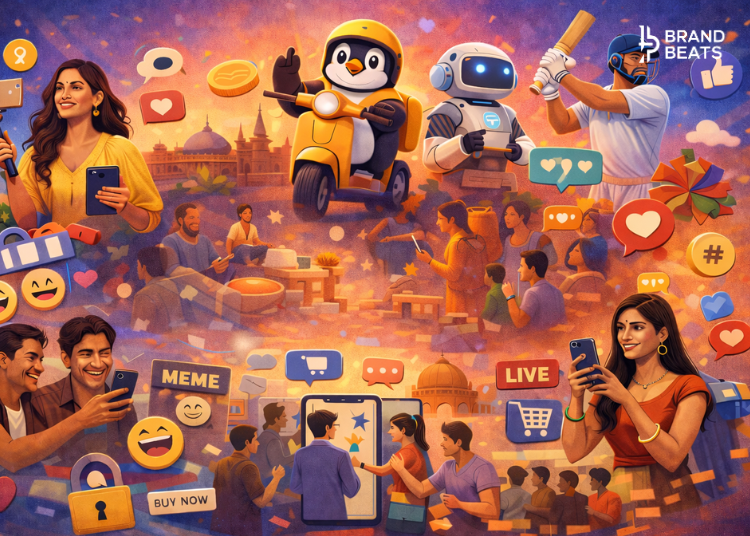
Social media in India has entered a fundamentally different phase. What began as a reach-driven ecosystem dominated by follower counts, trending hashtags and viral formats is now transforming into a more layered cultural infrastructure, one where identity, trust, commerce, and community intersect every day.
New users are bringing their languages, humour, values, and consumption habits online, reshaping how platforms behave and how content travels. Algorithms are increasingly optimised for relevance over virality, while audiences are more discerning, more sceptical, and far less forgiving of inauthentic brand behaviour.
At the same time, the lines between content, commerce, and culture are dissolving. Creators are launching businesses, communities are driving purchase decisions, memes are shaping brand perception, and closed platforms are quietly outperforming public feeds in loyalty and conversions. Social media is no longer just a marketing channel, it is where brands are built, tested, and judged in real time.
Brands that still treat social media as a campaign-only medium will struggle. Those that view it as a long-term relationship engine will thrive.
Against this backdrop, here are the ten social media trends that will define India’s marketing playbook in 2026:
1. Creators Become Brands, Not Just Brand Endorsers
By 2026, creators in India will no longer be viewed primarily as amplification tools. They will function as independent brand entities with their own voice, trust equity, audience loyalty, and commercial leverage.
This shift is being driven by three forces. First, Indian audiences are increasingly creator-led in their discovery journey. From skincare and food to finance and fitness, users trust creators who demonstrate lived experience over polished brand messaging. Second, creators themselves are diversifying income streams launching merchandise, food brands, courses, and even full-fledged D2C ventures. Third, platforms are actively enabling this transition through monetisation tools, subscriptions, affiliates, and storefront integrations. Their audience trust becomes their most valuable asset, forcing brands to align with creators whose values, tone, and community genuinely match their own. For marketers, success will depend less on negotiating rates and more on earning creator buy-in.
For example: Mamaearth has consistently worked with parenting and lifestyle creators as long-term faces of the brand, integrating them into product narratives rather than one-off promotions.
2. Reels Get Raw, Real, and Regional
Highly produced, ad-like content is losing relevance on Indian feeds. By 2026, short-form video that feels unfiltered, contextual, and culturally local will dominate engagement.
The reason is simple: India’s next wave of internet users values relatability over aspiration. Handheld videos, imperfect framing, and conversational delivery feel more trustworthy than polished brand films. At the same time, regional language content is outperforming English across Tier 2 and Tier 3 markets, pushing brands to localise not just language, but tone and references.
This trend forces brands to create content that looks native to the platform rather than adapted from traditional advertising.
Example: Myntra – Instead of traditional catalog videos, Myntra uses Reels to showcase fashion trends, styling tips, and quick outfit reels that feel native to the platform, incorporating trending audio and regional voices.
3. Meme Marketing Evolves into Brand Language
Memes are no longer just reactive engagement tools. In 2026, they will function as a core brand communication style for companies that understand internet culture deeply.
As meme cycles become shorter and cultural references more layered, brands can no longer rely on templated humour. The winning brands will be those that treat memes as a language requiring speed, context, and cultural intuition. This is why many brands are moving meme creation in-house rather than outsourcing moment marketing.
Memes in 2026 will be used not just to chase trends, but to reinforce brand personality consistently.
Brand example: Rapido’s penguin ad is a strong example of meme-led brand language. What began as a quirky, unexpected character quickly became a viral meme across platforms, with users remixing, referencing, and sharing it organically.
4. Community-First Platforms Take Centre Stage
Public feeds are losing their monopoly over attention. By 2026, closed and semi-closed platforms like WhatsApp Channels, Telegram groups, and Instagram Broadcast Channels will become essential brand assets.
These spaces offer something feeds cannot: direct access, repeat engagement, and deeper trust. Brands are using them for product education, early access, and loyalty-building rather than mass communication. Communities reward value over volume, making them more resilient to algorithm changes.
The focus shifts from growing followers to nurturing members.
Example: Nykaa uses closed communities to educate users and drive repeat purchases.
5. Purpose Without Preaching
Indian audiences in 2026 will be highly sceptical of surface-level brand activism. Purpose-driven communication will only work when it is consistent, credible, and embedded into brand behaviour. One-off campaigns tied to social causes will attract scrutiny rather than goodwill. Brands will either commit to long-term values or stay silent. Purpose will be judged through actions, not messaging. This pushes brands to align internal practices with external narratives.
Example: Dove India continues body positivity narratives consistently rather than seasonally.
6. Influencer-Led Commerce Goes Mainstream
By 2026, social media in India will evolve from a discovery channel into a direct commerce engine. Creators will play a central role in this shift, driving purchases through live shopping, affiliate links, and shoppable content that blends seamlessly into everyday feeds. Indian consumers are increasingly comfortable buying through creator recommendations because they feel personalised, contextual, and rooted in real usage rather than advertising.
As platforms reduce friction between content and checkout, creators are no longer just awareness drivers they become sales partners. Their ability to simplify choices and build trust directly impacts conversions, forcing brands to rethink influencer marketing as a performance-led channel rather than a visibility play.
Example: Amazon India illustrates this shift through creator-led product discovery formats such as curated storefronts, affiliate videos, and category-based recommendations. By allowing creators to guide users through products using their own voice and credibility.
7. AI Becomes a Creative Assistant, Not a Replacement
AI will play a significant role in content creation by 2026 but not as a storyteller. Its value lies in speed, localisation, and experimentation, while human insight remains central to emotion and nuance. Brands are using AI to test formats, adapt content for regional markets, and optimise performance. However, audiences can easily detect generic or emotionless output, making human creativity indispensable.
The winning approach will be human-led creativity supported by AI efficiency.
Example: Myntra has integrated generative AI tools such as MyFashionGPT, an AI-powered shopping assistant that helps personalise product recommendations and creative content across its platform.
8. Sports, Culture, and Always-On Moments
Sports in India is no longer seasonal. Cricket, kabaddi, and global tournaments drive year-round conversations, pushing brands to move beyond event-based campaigns. By 2026, brands will invest in always-on sports storytelling, aligning with athlete journeys, fan culture, and everyday sporting conversations rather than only match-day moments. This approach builds sustained cultural relevance rather than short-term spikes.
Example: A strong example of always-on sports storytelling is Apollo Tyres. Through its long-term association as the lead sponsor of the Indian national cricket team, the brand stays present across bilateral series, tours, and tournaments, not just marquee events.
9. Platform-Native Storytelling Becomes Non-Negotiable
In 2026, the era of copy-paste content across social platforms is officially over. Each platform has its own rhythm, audience mindset, and content grammar and brands that tailor their storytelling accordingly gain deeper relevance and better algorithmic favour. On Instagram, short, creative Reels and vibrant visuals dominate. On LinkedIn, audiences respond to insights and professional narratives. On YouTube, longer storytelling and explainers thrive. On X (formerly Twitter), real-time reactions and cultural commentary win hearts.
Cred is a strong example of platform-specific content strategy. On Instagram, it curates a visually stylised lifestyle feed that frames financial behaviour almost like a culture brand, using creative reels and posts that feel native to that space. On YouTube, Cred goes deeper with longer-form content.
10. Metrics Shift from Views to Value
By 2026, brands will move away from vanity metrics like views and follower counts. The focus will shift to engagement depth, community growth, saves, shares, and repeat interactions. As reach becomes easier to buy, trust becomes harder to earn. Brands will measure success by how often audiences return, interact, and advocate—not how many people scroll past.
This changes how campaigns are evaluated and how success is defined.
Brand examples: Nykaa’s social media strategy is a strong real-world example of this shift. Instead of prioritising just reach and impressions, Nykaa has deliberately built user-generated content (UGC) and community participation into its campaigns. Initiatives like #NykaaBeautyBook, where users share their own beauty routines, tutorials, and results, generate repeated interactions (comments, saves, shares) and make followers feel part of a community rather than passive viewers.
At its core, the evolution of Indian social media in 2026 is not about new formats, platforms, or algorithms. It is about people reclaiming their space online. Audiences are choosing content that reflects their language, their humour, their values, and their everyday realities. They are spending time where they feel seen, not sold to.
For brands, this is both a challenge and an opportunity. The challenge is letting go of shortcuts chasing virality, copying trends, or forcing relevance where it doesn’t exist. The opportunity lies in slowing down, listening better, and showing up with intention. Social media is no longer rewarding those who speak the loudest, but those who stay, engage, and earn trust over time.
In a country as diverse and emotionally rich as India, relevance will come from empathy, not algorithms. From consistency, not moments. From participation, not performance. People don’t follow brands because they post well; they follow them because they feel understood.
That is the real metric that will matter in 2026 and beyond.