
For years, brands have fought fiercely for one thing: attention. They chase impressions, ad views, clicks, and engagement metrics, hoping that somewhere in the noise consumers would notice them. But in 2026, the game is changing. Attention alone is no longer enough. What brands now seek is immersion.
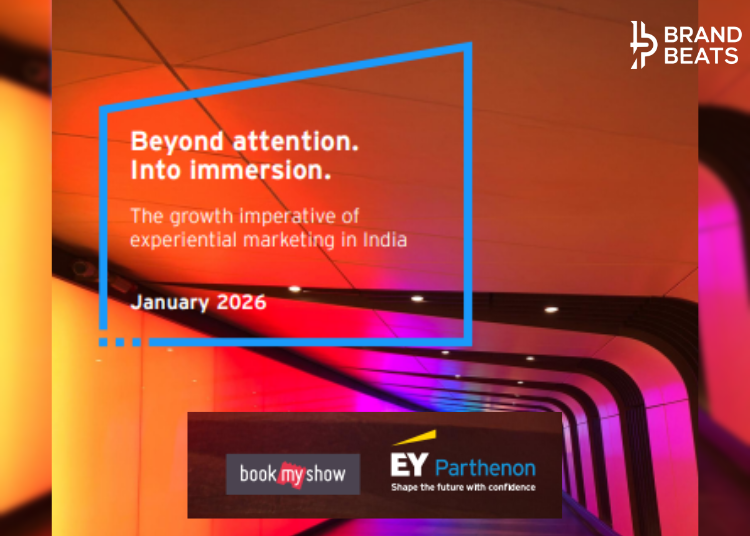
A new report by BookMyShow and EY-Parthenon titled ‘Beyond Attention. Into Immersion.’ suggests that India is entering a powerful new phase where experiences are becoming the most valuable currency in marketing. From concerts and cultural festivals to immersive exhibitions and creator-led events, brands are increasingly moving beyond screens and into real-world moments that audiences can feel, remember and share.
The shift is largely driven by consumers themselves. According to the report, a growing number of Indians are choosing experiences over material purchases, seeing them as a way to express identity and build memories rather than simply acquire products. Nearly 78% of consumers now prefer spending on experiences rather than things, while many say meaningful real-world activities feel more rewarding than endless hours of digital scrolling.
This behavioural change is reshaping how brands think about marketing. Instead of relying solely on digital advertising, companies are increasingly creating environments where consumers can interact with them in person. Music concerts, comedy shows, sports events, immersive pop-ups, and cultural festivals are becoming powerful spaces where brands can move from being passive advertisers to active participants in moments that audiences genuinely care about.
The rise of India’s live entertainment economy reflects this transformation. The sector has now grown into a market valued at nearly Rs 17,000 crore, with concerts and live performances emerging as some of the biggest magnets for young audiences.
Events that were once considered niche are now turning into massive cultural gatherings. When tickets for Travis Scott’s Delhi concert sold out within minutes earlier this year, fans reportedly spent close to Rs 100 crore almost instantly, highlighting the sheer appetite for shared live experiences.
For brands, these events are not just entertainment platforms, they are marketing goldmines. The report suggests that audiences at live events are significantly more receptive to brand interactions compared to traditional advertising environments. Surveys conducted among thousands of event attendees revealed that brand recall at such experiences is remarkably high, and many consumers say that encountering a brand during a live event actually improves their perception of it. In many cases, the interaction also translates into stronger purchase intent.
This is one of the reasons why companies are rapidly increasing their investments in experiential marketing.
More than half of the brands surveyed said they had already executed experiential campaigns in the past year, and a large majority plan to continue or expand on these efforts. Some companies are even dedicating significant portions of their marketing budgets in certain cases up to 40% to experiences that allow audiences to interact with brands in real-world settings, rather than simply encountering them through ads.
The formats themselves are evolving quickly. Experiential marketing today is no longer limited to sponsoring events or setting up branded booths. Companies are experimenting with immersive technologies like augmented reality and virtual reality, creating interactive retail spaces, collaborating with creators to build communities, and designing cultural experiences that audiences want to participate in rather than just watch.
At its core, the trend reflects a deeper truth about modern consumers. In an era of constant digital noise, experiences cut through the clutter because they are personal, emotional and shareable.
A concert, a festival or a pop-up exhibition does something traditional advertising rarely achieves, it creates a memory and when a brand becomes part of that memory, the connection tends to last much longer than a fleeting ad impression.