
In an internet culture driven by relatability, vulnerability often becomes currency, influencers speak like friends, not experts. And that’s precisely what makes them powerful. But when that power begins to blur the line between personal experience and public advice, the consequences can be far more serious than a fleeting controversy.
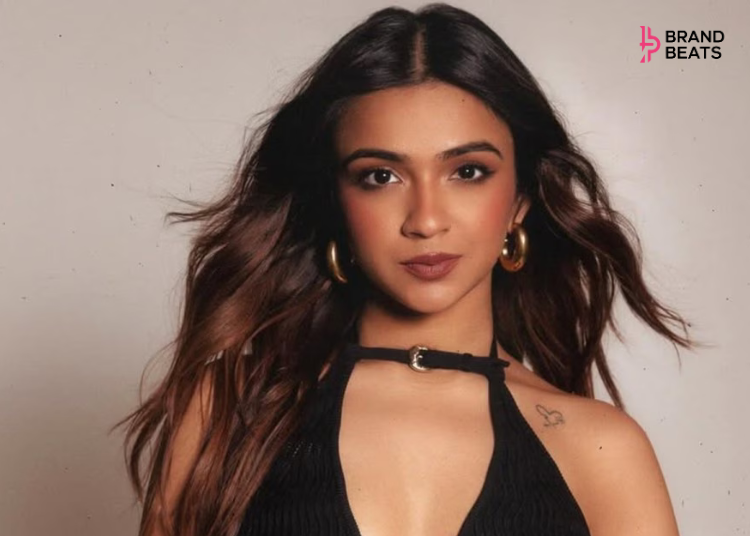
This week, influencer Apoorva Mukhija, widely known as ‘The Rebel Kid’, found herself at the centre of such a storm.
It began like many of her videos do, casual, sassy and personal. Speaking about her struggle with PCOD (Polycystic Ovarian Disease), a condition that affects millions of women, Mukhija shared what many found relatable: the frustration with medical advice that often demands discipline: clean eating, regular exercise, consistency, and patience.
But what shifted the tone entirely?
In the now-deleted video, she casually mentioned that despite doctors recommending lifestyle changes, she leaned towards a simpler, more convenient alternative Lipton’s ‘metabolism tablets.’ In a matter-of-fact tone, she positioned the product almost as a work around something easier than the rigor of medical advice.
No disclaimers, no nuance and no distinction between personal choice and medical recommendation. Just a suggestion wrapped in relatability, delivered to millions. At first glance, it may have seemed like just another influencer sharing her routine. But the internet didn’t take it that lightly.
PCOD is not a typical lifestyle inconvenience. It is a hormonal disorder. For many women, it comes with years of struggle, with irregular menstrual cycles, weight fluctuations, hormonal imbalances, and mental health challenges. It requires careful management, often under medical supervision. To see it reduced to something that could be “managed” with a branded tablet felt, to many, not just misleading but dismissive.
Doctors were quick to respond.
Medical professionals across platforms stressed that:
- There is no shortcut treatment for PCOD
- Supplements marketed as metabolism boosters are not substitutes for clinical care
- Such claims can misguide young women, many of whom look to influencers for advice they trust
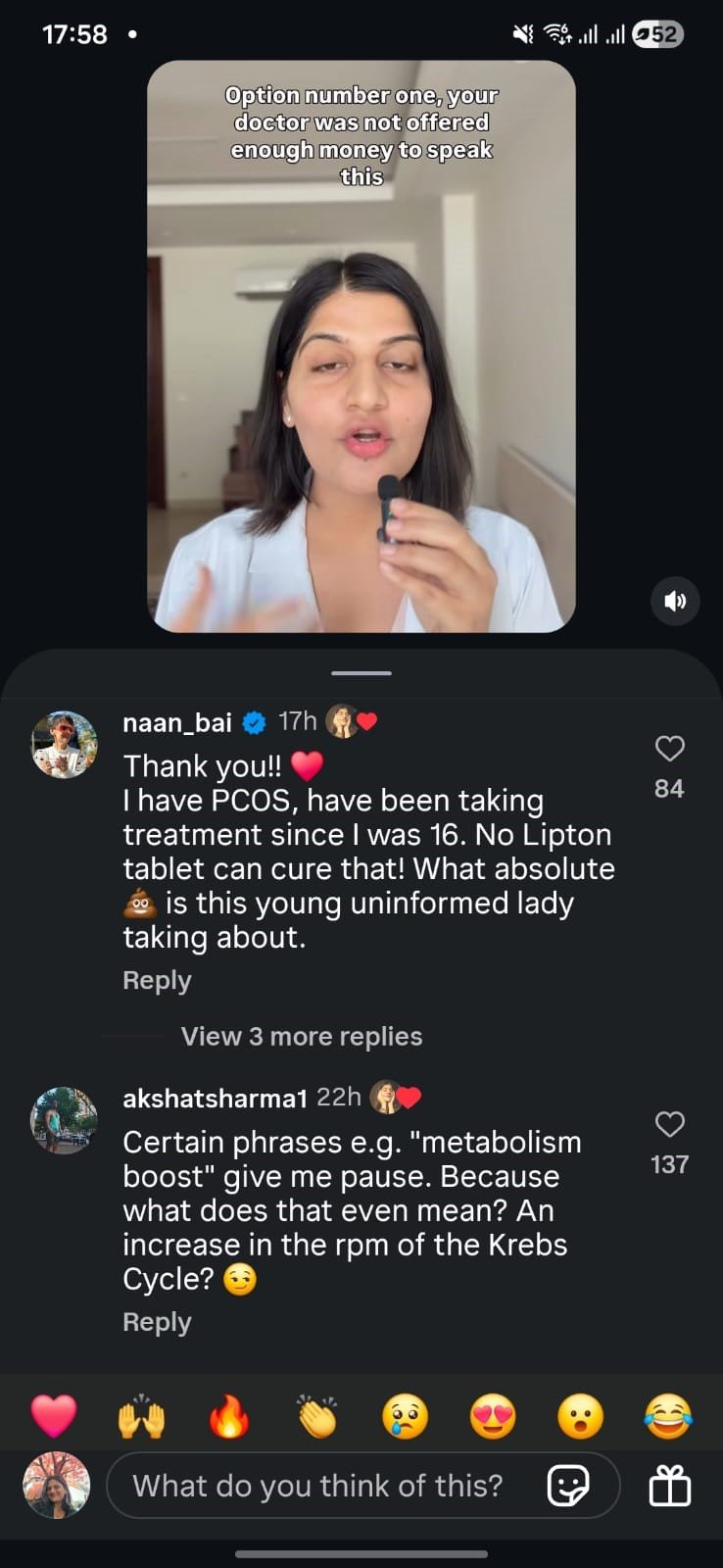
And then came the public response, some called it irresponsible, others called it dangerous and many simply asked, How could something so serious be reduced to a product plug?
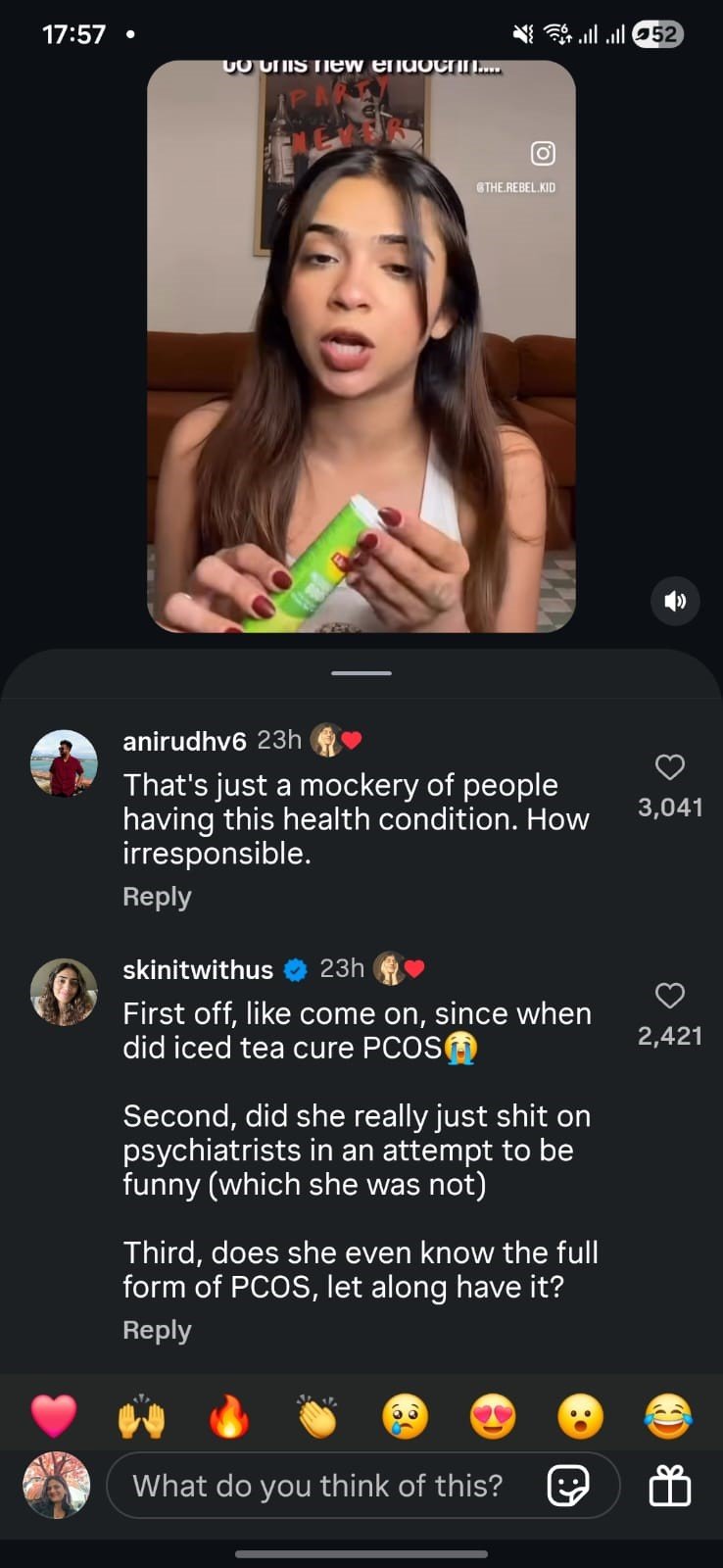
Mukhija’s content thrives on mostly her personal experiences. She speaks like someone who has “been there,” someone who understands the chaos of modern life. That is precisely why her words carry weight. When a creator like that chooses convenience over clinical advice in a public narrative, it doesn’t just remain a personal choice, it quietly transforms into a suggestion.
This isn’t the first time the digital space has wrestled with such questions. Influencer-led promotions, especially in the wellness and health category, have repeatedly walked a thin line between marketing and misinformation. India has seen similar controversies before, where widely trusted brands made bold health claims without adequate scientific backing.
Each time, the pattern remains strikingly similar; a trusted voice, a simplified solution, a complex problem reduced to a product and each time, the fallout raises the same unresolved question
Who is responsible when influence becomes ‘misleading’?