


You experience it more often than you realise. You walk into a clean, well lit store and instinctively trust what is being sold. You pick up a thoughtfully designed package and assume the product inside is better. You see a familiar face endorsing something and feel a sense of comfort before even questioning it.
These reactions feel natural, but they are not entirely rational. They are predictable, repeatable patterns driven by what psychology calls ‘the halo effect’.
That is the halo effect. It is the tendency for one strong positive impression to shape how we judge everything else about a brand. Instead of examining every detail on its own, the mind uses one signal as a shortcut and builds a bigger opinion around it. If something appears premium, we assume it is premium. If it feels credible, we assume it is reliable.
For brands, this matters because one strong cue can influence how people see the entire business. A single design choice, store experience, or endorsement can change perception faster than a full explanation ever could.
One Signal That Can Shape Everything
Not all marketing efforts create the same level of impact. Research and observed consumer behaviour show that a single strong signal in one area can shape multiple perceptions at once. Because of this, brands tend to focus on identifying and strengthening the one cue that has the highest influence on how they are perceived overall.
For a food brand, it is often packaging.
For a retail brand, it is the store experience.
For a personal care brand, it may be ingredients and presentation.
For a new brand, it could be the founder story or positioning.
Instead of spreading resources across many small improvements, brands benefit from investing deeply in one strong signal that shapes overall perception.
For consumers, understanding the halo effect helps separate perception from reality. The next time a product feels better because of how it looks, where it is sold or who is endorsing it, it is useful to pause and question why.
The experience may still be valid, but it is important to recognise that the first impression is influencing the judgment. In the next section, we will look at how some brands use this effect to build trust, familiarity, and stronger brand value.
How Brands use the halo effect
The halo effect is not random. It is strongest in categories where consumers are trying to reduce uncertainty around trust, quality and familiarity. Instead of evaluating every detail, they anchor on one dominant signal and let it shape everything else.
Across categories, this effect rarely stays confined to a single product. Packaging, design language, retail experience or endorsements act as primary cues, and once established, they define how the brand is interpreted. The pattern is consistent regardless of category.
That initial signal does more than influence perception. It scales across the entire brand. Consumers move from evaluating individual products to forming a brand level judgment. This creates a consistency bias, where one strong impression leads them to assume the same qualities apply across all offerings, often before any real usage or comparison.
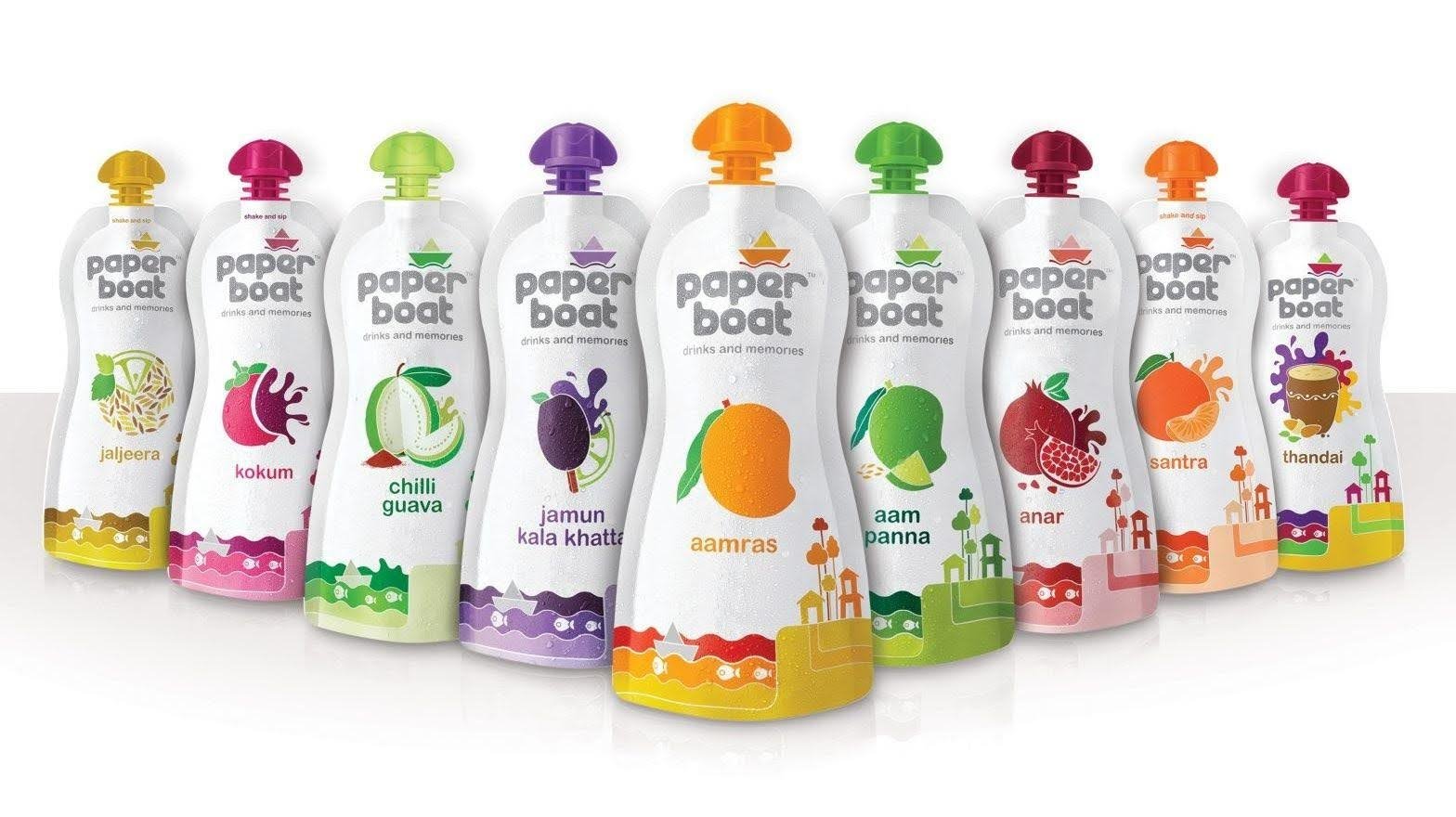

In packaged foods and beverages, Paper Boat and Epigamia are clear examples of how this works in practice. Paper Boat does not just design packaging, it designs emotion. Its nostalgic illustrations, handwritten style typography and storytelling around childhood memories act as a primary signal. That single cue creates a halo of authenticity, making consumers assume the product is traditional, safe and rooted in real ingredients even before consumption.
Epigamia takes a completely different route but achieves the same outcome. Its clean, minimal and modern packaging signals health, global quality standards and premium positioning. This visual cue becomes the anchor, leading consumers to believe the product is healthier and better curated. In both cases, design is not decoration. It is the trigger that shapes perception across taste, quality and trust.


In personal care and wellness, the halo is built through cues of purity and credibility. Forest Essentials uses rich textures, traditional aesthetics and premium packaging to signal Ayurveda backed authenticity and luxury. That one signal creates an expectation that the ingredients are pure and the formulations are effective.
On the other hand, The Whole Truth builds its halo through radical simplicity. Its straightforward packaging and transparent messaging signal honesty. This minimalism becomes the core cue, making consumers assume the product is clean, trustworthy and free from hidden additives. In both cases, the halo is created before the product is even used.


Retail environments amplify the halo effect because they are immersive. A visit to an Apple store is not just a shopping experience, it is a controlled signal. The lighting, layout and minimalism communicate precision, innovation and reliability. That environment becomes the halo, shaping how every product inside is perceived.
Similarly, Tanishq uses spatial design, transparency in display and structured service to signal trust in a high risk purchase category. The store itself reassures the customer before any transaction happens. Lenskart builds its halo through consistency. Standardised layouts and predictable service formats reduce friction and create familiarity, which translates into confidence in the product.


Naming and positioning act as cognitive shortcuts that trigger instant halos. Himalaya signals natural and herbal expertise directly through its name, making consumers assume credibility in wellness. Bombay Shaving Company uses its identity to evoke urban sophistication and modern masculinity. These cues work instantly, shaping perception before any interaction with the product.

Endorsements compress the halo effect even further. When Virat Kohli is associated with a brand, his discipline, performance and credibility become the dominant signal. Consumers transfer those qualities to the product without evaluating it independently. As highlighted in the reference video, this is exactly how the halo effect operates. One strong positive association reduces the need for deeper analysis and accelerates trust.
Why the halo effect is stronger in India
In India, first impressions carry extra weight. People often depend on visible signals to decide who or what to trust, especially when quality is not easy to judge immediately. A neat package feels safer. A polished store feels more reliable. A familiar brand name feels more dependable. That is why the halo effect works so strongly here.
It also shows up in everyday Indian thinking. A degree from a top institution can make someone seem capable in everything. A person who looks confident, well spoken or well connected can be judged more positively even before they prove anything. In a country where reputation matters a lot, one strong signal can quickly spread into a bigger sense of trust.
The same thing happens with brands. A company with a strong name can launch new products with instant attention because people already carry a positive image of it. Even social media adds to this effect, because people often trust curated, successful looking profiles more than plain facts. And in workplaces too, charisma can sometimes create a stronger impression than actual skill at first glance.
One good signal can open the door, and once that happens, people often assume the rest will be good too.
When the halo works against brands
The same shortcut that builds trust can also destroy it just as fast. Because when people rely on one strong signal to judge everything, any crack in that signal does not stay small. It spreads.
If a product faces a safety or quality issue, consumers rarely isolate the problem. They question the entire brand. One failure becomes a reflection of everything the brand stands for. Trust does not drop slightly, it collapses across categories.
The risk is even higher when expectations are set too high. If a brand looks premium through packaging or positioning but delivers an average experience, the disappointment feels sharper. People are not just reacting to the product, they are reacting to the gap between what was promised and what was delivered. That gap creates a negative halo.
Endorsements can flip in the same way. When a well known face brings credibility, it lifts the brand instantly. But if that person’s image changes, the brand absorbs that shift just as quickly. Nothing about the product changes, yet perception does.
That is the trade off. The effect can amplify trust, but it can also amplify failure.
Brand Beats Take
The halo effect is a powerful force in marketing because it operates subtly, without the need for constant messaging or explanation. A single, well-defined cue can influence how a brand is perceived, experienced and trusted.
In crowded markets where decisions are made quickly, brands that recognise this do not rely only on what they offer. They prioritise the signals they present first, since that initial impression often shapes all subsequent judgments.