

There are advertisements that explain a product and then there are advertisements that trust audiences to get the joke.
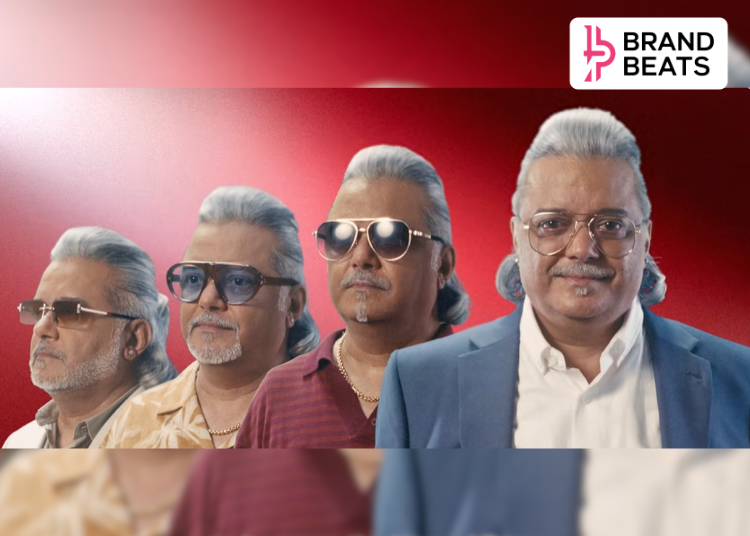
boAt‘s latest campaign for its Slazer trimmer belongs firmly in the second category. The film opens with a familiar sight: a wealthy, bearded businessman enjoying the finer things in life. There are luxury cues, a larger-than-life personality and a carefully cultivated aura of flamboyance. Within seconds, most viewers know exactly who the character is meant to remind them of.
The name is never spoken yet the reference is unmistakable.
By casting a lookalike widely perceived to resemble Vijay Mallya, boAt has created one of the most talked-about advertising campaigns of the year not because of the trimmer it is selling, but because of the cultural memory it taps into and that is precisely what makes the campaign interesting.
The Product Is Almost Secondary
Watch the film closely and a curious thing happens. The conversation quickly shifts away from grooming technology and towards the character himself.
People are not discussing blade quality, battery life or trimming precision. They are sharing screenshots, debating the resemblance and tagging friends who immediately recognise the reference.
In traditional advertising, that would be considered a distraction. In modern advertising, it is often the objective. Brands today operate in an environment where consumer attention is scarce and algorithms reward engagement above all else. Before consumers can remember a product, they need a reason to stop scrolling.
boAt understands this reality better than most. Rather than opening with product specifications, the brand opens with intrigue. The audience spends the first few seconds decoding the reference. By the time they do, the brand has already won the most valuable currency in digital marketing: attention.
What boAt is really practising here is something marketers increasingly rely on: recognition marketing. Instead of introducing a new idea, brands tap into an idea consumers already understand.
It is the same principle behind nostalgia campaigns, meme marketing and celebrity lookalikes. Recognition reduces the effort required from the audience.
The moment viewers see the character, they fill in the blanks themselves. They bring their own memories, assumptions and interpretations to the advertisement. In effect, consumers become co-creators of the story. That is far more powerful than a brand simply telling them what to think.
Why the Campaign Feels Risky
Of course, there is another reason the ad has attracted attention. Vijay Mallya remains one of India’s most polarising public figures. Even years after leaving the country, he continues to occupy a unique place in public discourse. Mention him and reactions are immediate.
That makes him both a risky and rewarding reference point for advertisers.
By choosing a lookalike rather than the real individual, boAt manages to walk a careful line. The brand benefits from the recognition while maintaining enough distance to keep the campaign playful rather than controversial.
It’s a balancing act that few brands attempt but when it works, the rewards are significant.
The most revealing aspect of boAt’s latest campaign is what it says about advertising itself.
Consumers no longer engage with ads the way they once did.
They engage with content, they share jokes, they participate in cultural conversations and increasingly, they reward brands that understand those conversations.
The Slazer trimmer campaign succeeds because it recognises a simple truth: people are more likely to discuss a familiar cultural reference than a product feature.