
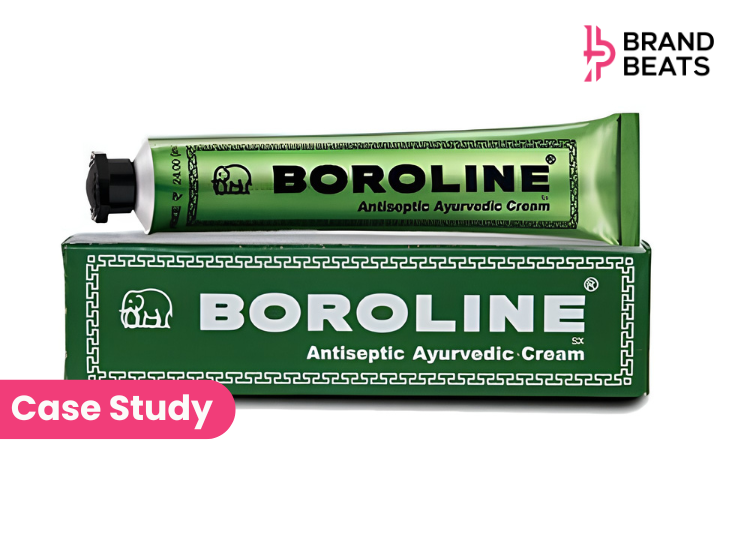
Long before ‘brand loyalty’ became a slide in a marketing deck, a green tube with an elephant on it was already earning it. Boroline has survived world wars, price controls, and a rival backed by Amitabh Bachchan.
Founded in 1929, Boroline emerged from the Swadeshi movement when Kolkata merchant Gour Mohan Dutta stopped relying on imported cosmetics and created an Indian antiseptic cream. The brand contributed over 60% of its parent company’s revenue in 2016 and recorded $31.7 million in sales in 2021.
His formula, a mix of boric acid, zinc oxide, and lanolin, sold out fast at Burrabazar market. Dutta founded G.D. Pharmaceuticals in 1929 and named the cream Boroline: ‘boro’ from boric acid, ‘-oline’ from the Latin word for oil.
The product had a purpose before it ever had a slogan.
The Elephant Logo Was the Original Design
Most Boroline buyers in the 1930s and 40s couldn’t read the label, and Dutta knew it. So he wrapped the cream in a bright green tube with an elephant, a nod to Ganesha, standing for strength and prosperity. It became the shortcut for illiterate rural shoppers asking for the ‘haatiwala cream,’ the cream with the elephant.
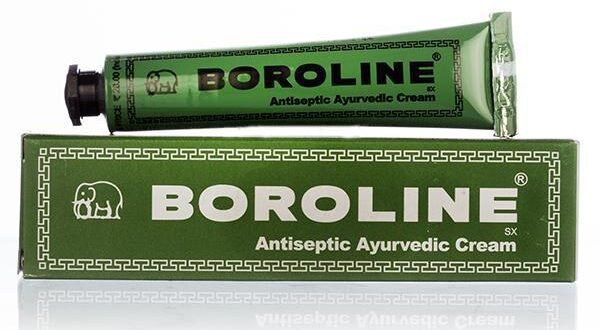
Boroline proves one timeless truth: great packaging never goes out of style.
While brands keep chasing redesigns, Boroline has barely changed its iconic tube in nearly a century, and that’s exactly why it still stands out the moment you spot it on a crowded shelf.
The Localisation Bet: Bengali Only, On Purpose
Dutta made an unusual call for a company wanting national scale: he advertised almost entirely in Bengali and tied the brand to Bengali festivals like Durga Puja. Instead of chasing a pan-India audience early, Boroline went deep into one culture first.
That narrow focus turned into an asset. Boroline stopped being ‘a cream’ and became a marker of Bengali identity, something people used because their parents and grandparents used it. Few brands manage to convert regional pride into repeat purchase the way Boroline did in its first two decades.
The Independence Day Giveaway That Actually Worked
In 1947, as India celebrated its first Independence Day, G.D. Pharmaceuticals ran newspaper ads with coupons redeemable for free Boroline tubes. Reports say over 100,000 tubes were handed out during the campaign, timed exactly to coincide with the biggest patriotic moment in the country’s history.
It’s a simple tactic by today’s standards, a coupon-led sampling drive, but the timing made it brilliant. Free trial, national pride, and a product already positioned as “swadeshi” is the kind of campaign alignment brands still chase and rarely nail this cleanly.
When Emami’s BoroPlus Fought Back With Bachchan
After independence, Boroline’s easy years ended. Emami launched ‘BoroPlus’ with a suspiciously similar name and later secured endorsements from Amitabh Bachchan and Jaya Bachchan, two of the biggest celebrity names Indian advertising could buy.
Boroline lacked the star power to match and had to find another route.
The company leaned into being the ‘original’ instead of chasing celebrity budgets. It hired an ad agency to write a jingle, and filmmaker Rituparno Ghosh, then working in advertising, wrote the line ‘Bongo jiboner ongo,’ meaning ‘a part of Bengali life.’ That jingle did more for recall than a celebrity face ever could have in that market.
Sponsoring Football Before Sports Marketing Had a Name
Under founder’s son Murari Mohan Dutta, Boroline moved into event sponsorship decades before Indian brands treated it as a serious strategy. In 1982, Boroline became one of the first sponsors of the Jawaharlal Nehru International Gold Cup football tournament, later renamed the Nehru Cup, which was also among the first events broadcast in colour across India.
Pairing a brand with a colour broadcast milestone was smart positioning, not luck. Boroline stayed visible at festivals and matches for years afterward, and the company has said sales roughly doubled off the back of this sustained, low-glamour sponsorship push.
The Formula That Refused to Change, Even in Wartime
Boroline’s ingredient list, boric acid, zinc oxide, and lanolin, has stayed the same since 1929. Even during World War Two, when packaging materials ran short, and the company had to switch containers, it printed a note on every pack reassuring buyers that the formula and quantity inside hadn’t changed.
That single decision says a lot about long-term trust building. Customers were told exactly what changed and what didn’t, at a time when it would have been easy to quietly cut corners. Decades later, that same ‘we didn’t change the formula’ claim is still central to how the brand talks about itself.
Still Profitable, Still Green, Still Selling
Boroline is manufactured today at two facilities, one in Chakbagi, West Bengal, and one in Ghaziabad, and the brand alone made up more than 60% of G.D. Pharmaceuticals’ revenue in 2016. By 2021, the company reported over $ 31.7 million in sales and $ 10.1 million in profit.
It briefly stopped production in the 1990s due to government price controls, a reminder that even a beloved brand isn’t immune to policy shocks. But it came back, kept the green tube, and kept the elephant, proof that consumers will wait for a product they actually trust.
BrandBeats’ Take
Boroline never relied on the biggest ad budget or celebrity power. Its strength came from consistent packaging, an unchanged formula, and showing up at moments that already mattered to its audience, from Swadeshi to independence, festivals, and football. Nearly a century later, it still holds cultural trust because it built relevance slowly and stayed true to itself.
FAQs
- What is Boroline used for?
Boroline is an antiseptic cream commonly used for dry skin, cuts, minor burns, cracked heels, chapped lips, and small wounds.
- Who founded Boroline?
Boroline was founded by Gour Mohan Dutta in 1929 under G.D. Pharmaceuticals during India’s Swadeshi movement.
- Why is Boroline green?
The iconic green tube has been part of Boroline’s identity since its launch, making it one of India’s most recognizable product packages.
- What does the Boroline elephant logo represent?
The elephant symbolizes strength and prosperity and helped people identify the product even when many consumers couldn’t read the label.
- What is Boroline made of?
The original formula combines boric acid, zinc oxide, and lanolin, a formulation that has remained largely unchanged for decades.