
Imagine walking into a store in the early 1990s and asking someone in the 1990s to stream a Netflix show on their phone, and they’d assume you were talking science fiction. Tell an Indian family that Titan would one day make far more money from jewellery than watches, or that Royal Enfield would become a symbol of adventure and self-expression rather than just a sturdy motorcycle, and it would have sounded equally unbelievable.
Yet that’s exactly what happened.
Because the brands we know today are often very different from the brands they started out as.
Some of the world’s biggest companies were built on products or business models that no longer define them. They didn’t simply launch new campaigns or redesign their logos, they questioned the very reason they existed. They looked beyond what they sold and focused on the value they wanted to create.
That’s the difference between a rebrand and a brand pivot.
Brand identity is one of a company’s most valuable assets. Consumers build memories, trust, and expectations around it over years, even decades. Just think about how consumers react whenever a familiar logo changes. Social media fills with comparisons, nostalgia, and criticism. Now imagine asking those same consumers to see your company in an entirely different light not just with a new visual identity, but with a new purpose, a new audience, or even a new industry.
That’s an even bigger challenge.
Yet, every once in a while, a brand manages to pull it off.
Sometimes the trigger is technology. The internet changed how people watched movies, listened to music, shopped, and ordered food. Sometimes it’s changing consumer behaviour. Younger audiences expect experiences over products, communities over transactions, and convenience over tradition. And sometimes the shift comes from within, when companies realize that the market they’re in today won’t be the market they’ll compete in tomorrow.
The smartest brands don’t wait for disruption to happen to them they disrupt themselves first.
In this listicle, we look at seven brands that didn’t just tweak their image, they rewrote their identity:
1. Netflix
If there is one company that defines the art of reinvention, it is Netflix.
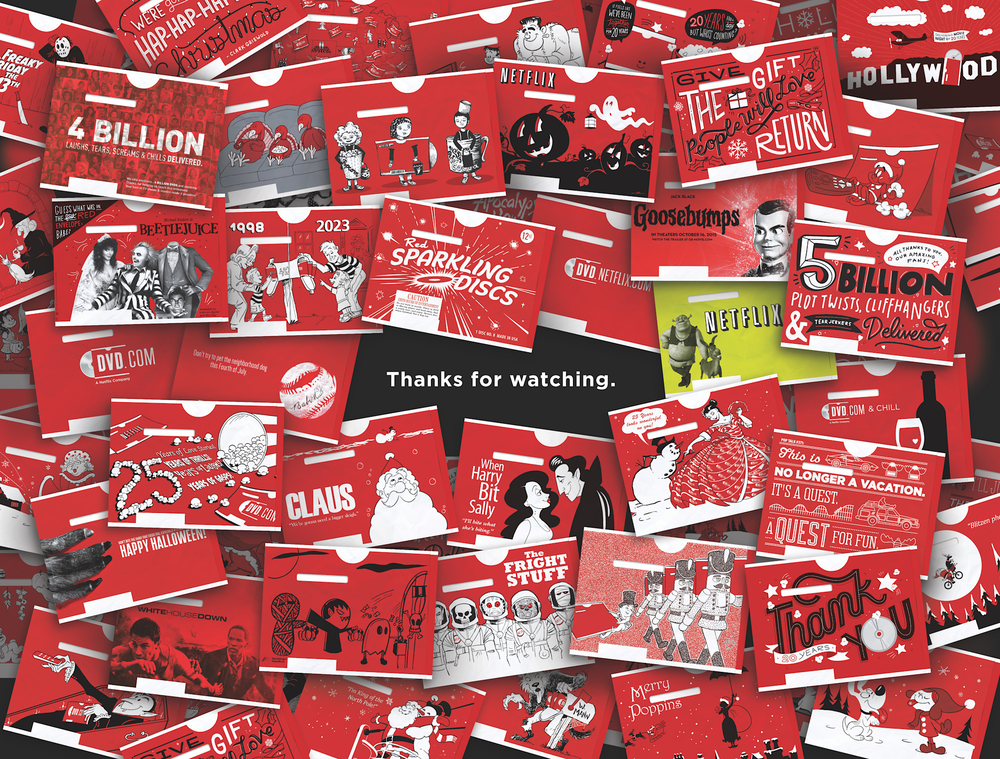
When Netflix launched in 1997, its business was remarkably simple rent DVDs through the mail. Customers ordered movies online and received physical discs at home. It was a convenient alternative to visiting rental stores like Blockbuster.
But founder Reed Hastings wasn’t attached to DVDs. He was attached to solving how people consumed entertainment.
As broadband internet improved, Netflix took a bold gamble. In 2007, it pivoted to streaming, even though its DVD business was still profitable. Years later, it made an even riskier move by investing billions in original programming like House of Cards, transforming itself from a distributor into a global entertainment studio.
2. Titan
Few Indian brands have reinvented themselves as successfully as Titan.
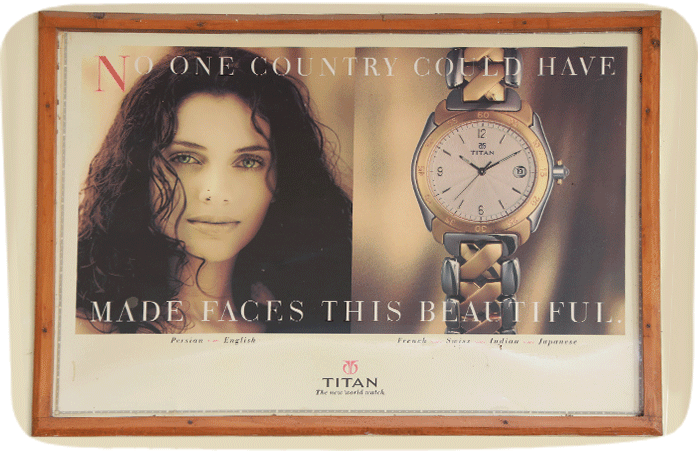
When Titan entered the market in 1984, it was primarily known for premium watches. For years, that identity worked. Titan became synonymous with quality timepieces.
But management saw a bigger opportunity.
Indian consumers weren’t just looking for watches, they wanted trusted brands for life’s biggest milestones. Titan entered jewellery through Tanishq, eyewear through Titan Eye+, fragrances with SKINN, fashion accessories, and wearables, steadily transforming into a lifestyle company rather than a watch manufacturer. Today, jewellery contributes the overwhelming majority of Titan’s revenue, making Tanishq the company’s growth engine.
Instead of allowing watches to define its future, Titan expanded the meaning of its brand—from measuring time to becoming part of India’s celebrations, gifting culture, and personal style.
Its identity shifted from a product category to a trusted lifestyle house.
3. Royal Enfield
There was a time when Royal Enfield was considered outdated. Its motorcycles were admired for their heritage but criticized for reliability, and they appealed to a relatively niche audience.
Then came one of India’s most remarkable brand transformations. Royal Enfield stopped selling motorcycles as machines and started selling motorcycling as a lifestyle.
It invested heavily in modern engineering while preserving its unmistakable retro design. It built riding communities, curated events like Rider Mania, expanded adventure touring, introduced accessible models such as the Classic 350 and Himalayan, and positioned itself around freedom, exploration, and craftsmanship.
Today, owning a Royal Enfield is often viewed as joining a culture rather than buying a vehicle. The brand has also expanded internationally, with growing communities across Europe, Latin America, and Southeast Asia.
Its biggest success wasn’t redesigning motorcycles, it was redefining what those motorcycles symbolized.
4. boAt
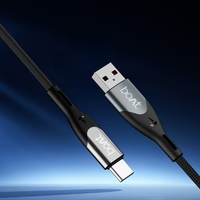
When boAt started, it wasn’t selling earbuds. It was selling charging cables.
The founders noticed a gap in the accessories market where products were functional but uninspiring. Rather than remaining another electronics accessories company, boAt gradually pivoted toward audio products and wearables, positioning itself as an affordable lifestyle technology brand for young Indians.
Its marketing played an equally important role.
Celebrity partnerships, cricket sponsorships, influencer collaborations, bold designs, and a youthful brand voice helped boAt compete against established global electronics companies without matching their research budgets.
Consumers weren’t buying just earphones, they were buying into a youthful, aspirational identity. The shift from hardware accessories to lifestyle branding helped boAt emerge as one of India’s leading wearable and personal audio brands.
5. Zomato
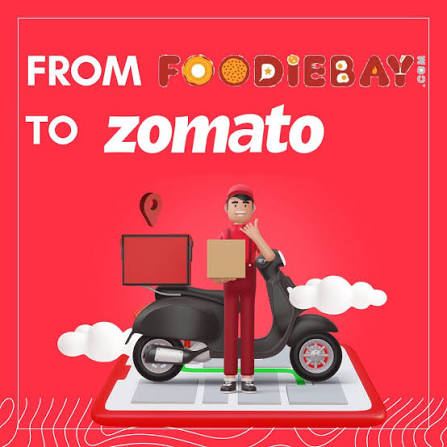
Zomato’s first identity was surprisingly simple. Originally launched as Foodiebay, it helped users browse restaurant menus and reviews. It solved a discovery problem rather than a delivery problem.
As consumer expectations evolved, so did the company.
Food delivery became its core business, followed by restaurant technology, quick commerce through Blinkit, ticketing and dining experiences, and a broader ecosystem around everyday convenience. Alongside these business shifts, Zomato also developed a distinctive brand voice—witty, conversational, and deeply rooted in internet culture, that made it feel less like a transactional app and more like a personality consumers enjoyed interacting with.
The transformation wasn’t merely operational, it fundamentally changed consumer perception.
Today, most users don’t associate Zomato with restaurant listings anymore. They think of it as an app that helps them satisfy everyday needs whether that’s dinner, groceries, or dining out.
The most successful brand pivots rarely begin with a new logo or a viral campaign. They begin with a difficult question: Who do we need to become to stay relevant?
The brands on this list didn’t abandon their heritage, they reinterpreted it. Titan built trust beyond watches. Royal Enfield sold a way of life instead of just motorcycles. Paper Boat bottled memories rather than beverages. boAt turned gadgets into fashion statements, while Zomato expanded from discovery to daily convenience.
Their journeys offer a lesson for every marketer: a brand’s greatest strength isn’t staying the same. It’s knowing when its identity has outgrown its original purpose and having the courage to evolve before the market forces it to.
FAQs
1. What is a brand pivot?
A brand pivot is a strategic shift in a company’s identity, positioning, target audience, business model, or value proposition to adapt to changing market conditions or consumer needs. Unlike a simple rebrand, it fundamentally changes how people perceive the business.
2. How is a brand pivot different from a rebrand?
A rebrand typically involves changes to visual elements such as the logo, packaging, or messaging. A brand pivot goes much deeper, transforming the company’s purpose, offerings, positioning, or overall identity while often reshaping its long-term business strategy.
3. Which Indian brands have successfully reinvented themselves?
Several Indian brands have successfully transformed their identities, including Titan, Royal Enfield, Paper Boat, boAt, and Zomato, each evolving beyond their original business to stay relevant and drive growth.
4. Why do companies pivot their brand identity?
Companies pivot their identity to respond to changing consumer behaviour, technological advancements, competitive pressures, new market opportunities, or shifting industry dynamics. A successful pivot helps brands remain relevant and unlock new avenues for growth.
5. What are some of the most successful brand pivot examples globally?
Globally, brands such as Netflix, which evolved from a DVD rental service into a streaming and entertainment giant, and LEGO, which expanded from toy manufacturing into films, gaming, and experiential entertainment, are among the most successful examples of strategic brand pivots.