

Long before the gifting economy became a buzzword, a Delhi teenager was betting on something surprisingly simple: Indians would pay to say the things they couldn’t always say out loud.
That bet eventually gave Archies roughly 50% of India’s greeting card market. But getting there involved much more than printing birthday wishes on colourful paper. There was a Rs 5,000 loan, a Walt Disney licensing deal, a Delhi High Court case, political backlash over Valentine’s Day, and eventually, the internet making the company’s core product available for free.
The Wikipedia version gives you the corporate timeline.
The more interesting story is how Archies repeatedly spotted occasions, emotions, and cultural shifts before much of the market did.
A Sari Shop Detour Before the First Card
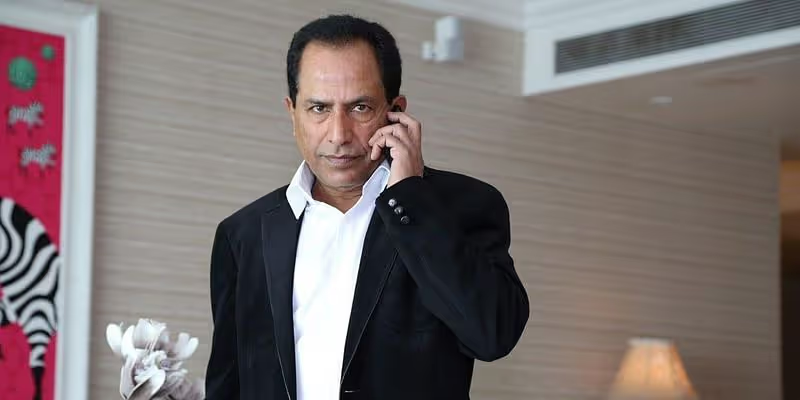
In 1979, Anil Moolchandani was a 19-year-old graduate of Delhi’s Hindu College, selling songbooks, film posters, and leather patches on the footpaths near Connaught Place.
Greeting cards weren’t even part of the original plan.
They arrived as an add-on in 1980, after Moolchandani noticed customers were looking for something more personal than a poster of their favourite actor. That small observation would eventually become the foundation of the business.
The real turning point came in 1981, when Moolchandani borrowed Rs 5,000 from a relative and opened a small shop in Kamla Nagar.
He called it Archies Gallery, inspired by the American comic books he loved. More importantly, the shop established a model Archies would keep building on for decades: create a physical space around impulse, emotion, and browsing rather than simply displaying a catalogue of products.
Owning Festivals Nobody Else Was Printing For
One of Archies’ smartest early decisions wasn’t about stores at all. It was about the calendar.
Instead of simply translating Western greeting card formats into Hindi, Archies began designing cards specifically for Holi, Diwali, and Rakhi, alongside birthdays, anniversaries, and other familiar occasions.
That gave Archies an important advantage. A foreign competitor couldn’t simply ship its existing catalogue to India and start competing. It would need to understand Indian occasions and build an entirely new product line around them.
Then came Valentine’s Day.
As the occasion began gaining popularity among urban Indian youth in the early 1990s, Archies didn’t treat it like a foreign trend to cautiously observe. It treated Valentine’s Day like another festival waiting to be captured.
The bet worked. Archies became one of the names most closely associated with Valentine’s Day gifting in India. Ironically, that success would later create one of the biggest headaches in the company’s history.
Borrowing Fame Through Licensing, Not Building It
In 1984, Archies signed its first international licensing deal with Walt Disney, bringing Mickey Mouse and Donald Duck onto Indian greeting cards years before global characters became commonplace in Indian retail.
The company later entered arrangements involving Dennis the Menace, Paramount Cards, Anne Geddes, and American Greetings for card designs and name use.
The clever part was that Archies didn’t have to spend years creating every recognisable character itself.
Instead, it effectively rented instant familiarity. Famous characters helped Archies grab attention and justify shelf space in a category that many Indian retailers hadn’t taken particularly seriously yet.
It was brand building without having to build every ingredient of the brand from scratch.
Turning a Card Rack Into a Destination Store
The first proper Archies Gallery concept store opened in Kamla Nagar in 1987.
It did something a small card rack inside a stationery shop couldn’t: it gave gifting its own environment. Its own aisles, lighting, browsing experience, and a reason for customers to spend twenty minutes deciding between three cards they probably came in to buy in five.
By 1993, Archies had crossed its 100th store.
Franchising then did much of the heavy lifting for expansion. Instead of funding every square foot of retail itself, Archies could scale the format nationally through franchise partners.
The company now operates more than 250 franchise outlets and 230-plus company-exclusive Archies Galleries across roughly 120 cities in six countries, giving it a physical footprint few greeting card brands anywhere in the world can match.
The Valentine’s Day Backlash Nobody Planned For
The problem with owning an occasion is that you also inherit whatever happens to that occasion.
In February 2001, Hindu right-wing groups vandalised Archies outlets while opposing Valentine’s Day as a Western import they considered incompatible with Indian culture.
When similar threats returned in 2002, Archies approached the Delhi High Court seeking an injunction to prevent the groups from disrupting its outlets and sales promotions.
The court dismissed the application.
Archies was left facing a kind of marketing-calendar risk that clever merchandising couldn’t solve. A company director at the time noted that outlets in Mumbai, Delhi, and elsewhere had already been affected and that the business impact was severe.
There’s a broader marketing lesson buried inside the controversy. Becoming synonymous with a festival can be enormously valuable, but cultural ownership cuts both ways when that festival itself becomes politically or socially contested.
When Free E-Cards Nearly Cannibalised the Business
Then Archies faced an opponent considerably harder to take to court: the internet.
By the early 2000s, e-cards allowed people to send greetings instantly and, more importantly, for free. Suddenly, the emotional job Archies had monetised for years no longer required a trip to a store or even a physical card.
Archies saw the shift coming and launched archiesonline.com in 2000. But attempts to monetise e-cards through the portal struggled against a simple consumer expectation: why pay when the internet had taught everyone that digital greetings should be free?
So Archies changed the question.
Instead of asking how to protect greeting cards, it started asking what else people bought when they wanted to express an emotion or celebrate an occasion.
In 2002, Archies Greetings and Gifts Ltd became Archies Limited. The company expanded aggressively into artificial jewellery, crystal ware, chocolates, perfumes, and other gifting categories.
It was more than a name change. Archies was effectively rebuilding its revenue base around gifting as a category rather than greeting cards as a product.
BrandBeats’ Take
Archies’ biggest asset was never just the greeting card, but its ability to own emotional occasions through culturally relevant products, retail experiences, and global licensing. While the Valentine’s Day backlash and rise of free e-cards exposed the risks of this strategy, Archies adapted by expanding beyond cards and redefining itself around a much bigger business: gifting.
FAQs
- Who is the founder of Archies?
Archies was founded by Anil Moolchandani, who started his entrepreneurial journey in Delhi in 1979.
- When was Archies founded?
Archies traces its beginnings to 1979, with greeting cards becoming part of the business in 1980.
- How did Archies start?
Anil Moolchandani initially sold songbooks, film posters and leather patches before expanding into greeting cards and opening a shop in Kamla Nagar.
- Why is Archies famous in India?
Archies became popular for greeting cards and gifts designed around occasions such as birthdays, anniversaries, Diwali, Rakhi and Valentine’s Day.