

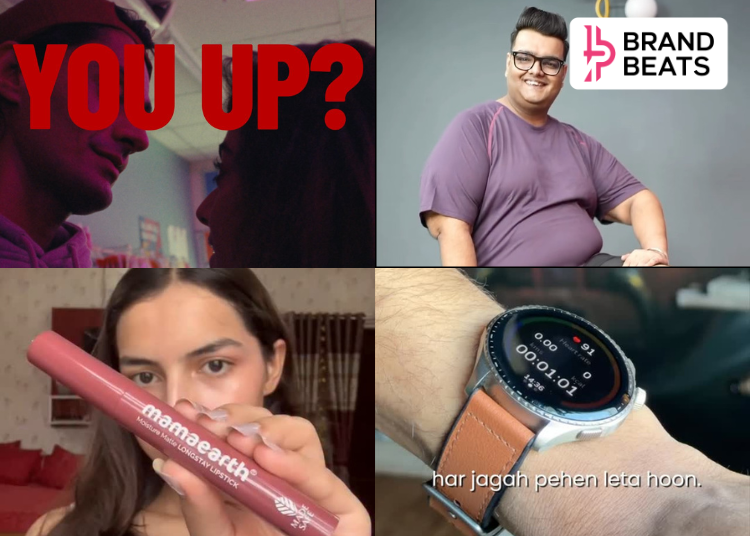
Who said you need millions of followers to make millions of people stop scrolling?
Sometimes, the creator with 30,000 followers and a fiercely loyal community can do more for a brand than a celebrity with a million followers. The reason is simple: people do not always trust the biggest voice in the room. They trust the person who feels like one of them.
That is exactly where micro influencer marketing gets interesting.
From skincare transformations and fashion inspiration to dating conversations, food launches and fitness content, brands are finding ways to turn smaller creator communities into much bigger cultural moments. The trick is not simply putting a product in a creator’s hand. It is giving them something worth talking about.
Here are 10 micro influencer campaigns that show how smaller creators can deliver big results.
Ghar Soaps
Ghar Soaps used its ‘7 Day De Tan Challenge’ to turn product usage into a creator led content format. Micro influencers created before and after Instagram Reels, unboxing videos, product reviews and challenge content around Ghar Magic Soap, documenting their experience over a defined period.
The format gave audiences visible product demonstrations instead of relying only on conventional product claims.
The strategy worked because creators acted as both product users and communicators. Their smaller, engaged communities made the content feel closer to peer recommendations, while the repeated before and after format gave the campaign a clear narrative that could be replicated across creators. The campaign is reported to have generated more than 10 million views.
Takeaway: When the product has a visible outcome, turn the transformation into the content.
View this post on Instagram
View this post on Instagram
Nykaa
Nykaa Fashion has worked with regional creators through ‘Get Ready With Me campaigns’, bringing fashion discovery into local cultural contexts. Instead of relying on one national fashion narrative, creators showcased outfits around festivals, celebrations and occasions that were particularly relevant to their regional audiences.
The micro influencer approach allowed fashion recommendations to come from creators who understood local styling preferences, languages and cultural moments. For Nykaa Fashion, this meant creating multiple versions of the same fashion conversation across different communities rather than depending entirely on celebrity led communication.
Takeaway: When the audience is culturally diverse, relevance can travel further than reach.
View this post on Instagram
View this post on Instagram
Mamaearth
Mamaearth used its ‘Everyday Makeup Naturally’ campaign to work with beauty creators and demonstrate how its products could fit naturally into everyday makeup routines. Rather than presenting the products through conventional promotional formats, creators incorporated them into beauty content that their audiences were already familiar with.
The approach helped connect product discovery with practical demonstrations and creator recommendations. Mamaearth has also built a broader micro- and nano-creator ecosystem, allowing the brand to generate content across multiple creator communities rather than relying on a handful of large influencers.
Takeaway: Make the product part of the creator’s routine, not just part of the advertisement.
View this post on Instagram
View this post on Instagram
Plum Goodness
Plum Goodness tapped into clean-living, beauty-focused micro-influencers through ‘#PlumGamers’ and its vegan beauty communication to showcase skincare routines and product use. Instead of relying purely on polished brand imagery, the approach put the products into everyday routines created by influencers whose audiences were already interested in clean and vegan beauty.
The strategy helped the brand reach consumers through creators whose interests closely matched the product proposition. The campaign was designed to drive high-intent interactions and conversions while building sustained discovery around Plum products across ecommerce platforms.
Takeaway: The closer the creator’s identity is to the product category, the more naturally the recommendation can land.
View this post on Instagram
View this post on Instagram
Swiggy x Britannia
Sometimes virality simply walks into a marketing meeting. When a teenager’s viral mispronunciation turned croissant into Prashant, Swiggy turned the internet moment into a brand opportunity through ‘Croissant Or Prashant?’ The platform redirected croissant searches towards Prashant, while brands including Britannia, IKEA and Lakmé joined the conversation and extended the joke across social media.
What made the moment work was the speed and simplicity of the response. Instead of trying to manufacture a new meme, the brands recognised an existing cultural moment and added their own layer to it. The result became a multi brand internet conversation that travelled well beyond the original post.
Takeaway: When culture hands you a meme, do not overthink it. Extend the punchline.
View this post on Instagram
Bumble India
Bumble India used ‘#FamAlly’ around the Indian wedding season to address the familiar pressure surrounding dating, relationships and marriage expectations. Creators including Dolly Singh, Vividh 2.0, Divija Bhasin and Cajole Kapoor brought their own perspectives to the conversation, making the campaign feel more like a cultural discussion than a conventional dating app advertisement.
The campaign also used quizzes and personal content formats to encourage participation. By connecting the seasonal relevance of shaadi conversations with the emotional reality of making personal dating decisions, Bumble generated 2.9 million reach, more than 396,000 engagements and over 26 million views.
Takeaway: Know the season, understand the sentiment and let the right storytellers carry the conversation.
View this post on Instagram
Domino’s India
Domino’s India used creators to introduce three new Cheese Burst flavours through its ‘Cheese Burst Flavours Launch’. The brand matched creators with the personalities of the different flavours and gave them room to tell the product story in their own voices rather than forcing them into rigid advertising scripts.
This made the launch feel more like creator content than a product announcement. Different creators brought their own personalities, humour and storytelling styles to the flavours, helping the campaign reach Gen Z audiences through content that felt native to their feeds.
Takeaway: Personalisation beats promotion. Let creators speak about the product in their own language.
View this post on Instagram
View this post on Instagram
Tinder India
Tinder India turned the familiar dating phrase You Up? into a creator-led campaign through ‘You Up?’ The campaign used creators to explore modern Indian dating through meme rants, sketches and mockumentary-style content, blending internet slang with familiar desi dating experiences.
The campaign worked because Tinder did not try to explain dating culture to its audience. Instead, it gave creators room to reflect the awkward, funny and often chaotic situations their audiences already recognised. The result was communication that felt closer to internet culture than traditional brand advertising.
Takeaway: Speak the audience’s language, even when the conversation starts with a DM.
View this post on Instagram
cult.fit
cult.fit used fitness creators as part of its ‘Choose To Lose’ campaign, promoting its beginner and intermediate-friendly at-home fitness programme. Six fitness influencers shared their workout experiences through Reels and Stories, helping introduce the programme through personal participation rather than relying only on brand communication.
The creator-led approach made the campaign more relatable to audiences seeking accessible fitness routines. Instead of presenting exercise as a distant aspiration, creators could show how the programme fitted into their own routines and encourage their followers to participate.
Takeaway: For behaviour led categories, showing the journey can be more powerful than selling the destination.
View this post on Instagram
Noise
Noise used fitness-focused micro-creators and local running communities for ‘#NoiseFit Pace Tracking’, putting its smartwatch products into real workout situations. The campaign distributed smartwatches to creators with smaller but highly relevant fitness audiences, allowing them to demonstrate the product through running content and performance-focused reviews.
The approach gave Noise access to audiences already interested in running, fitness and wearable technology. By putting the product in the hands of people who could actually use and discuss its tracking capabilities, the campaign focused on product credibility and purchase consideration rather than simply chasing reach.
Takeaway: When a product needs to prove its performance, let people who actually use it do the talking.
View this post on Instagram
BrandBeats’ Take
Micro influencer marketing is no longer just about finding creators with smaller follower counts. The stronger campaigns show that the real advantage lies in relevance, trust and the ability to make a brand feel native to a specific community. Whether it is skincare, fashion, food, dating or fitness, the brands that get it right give creators enough room to make the campaign feel like their own.
FAQs
- What is micro influencer marketing?
Micro influencer marketing is when brands collaborate with creators who have smaller but highly engaged and niche audiences to promote products, services or campaigns.
- Who are micro influencers?
Micro influencers are creators with relatively smaller followings who usually have strong influence within a specific category, community or location.
- Why do brands use micro influencers?
Brands use micro influencers because their audiences often see them as more relatable and trustworthy, which can help drive engagement, product discovery, and conversions.
- Are micro influencers better than celebrity influencers?
Not necessarily. Micro-influencers can offer stronger niche engagement and audience relevance, while celebrities can provide much greater reach. The right choice depends on the campaign objective.
- How do micro influencers help brands grow?
Micro-influencers can help brands build awareness, generate user-generated content, explain products, and reach specific consumer communities through relatable content.