


Diwali is the time when brands try to make us feel something. A jewellery ad reminds us of family traditions, a clothing campaign celebrates festive dressing, and a heartwarming film brings together people who may otherwise never share the same frame. For marketers, it is one of the biggest opportunities of the year to connect with consumers beyond the product.
But festive advertising comes with its own challenge: everyone has an idea of what a festival should look like, and not everyone agrees.
A phrase used to name a collection, a message about bursting crackers or a familiar ritual shown differently can turn an ordinary campaign into a national conversation. Suddenly, the discussion is no longer about the product. It is about culture, religion, representation and whether a brand should have a say in how people celebrate.
Over the years, several brands have found themselves at the centre of these debates. Some campaigns were withdrawn after public backlash, while others sparked conversations that extended far beyond their original advertising message.
Here is a look at the Diwali campaigns that faced controversy, what they showed and why they became contentious.
1. Fabindia

In October 2021, Fabindia found itself at the centre of a debate that had little to do with the clothes it was selling. The brand’s festive campaign, Jashn-e-Riwaaz, was meant to celebrate Indian traditions through a collection of ethnic wear. Its promotional message described the collection as a tribute to Indian culture, calling Diwali the festival of love and light.
But the phrase Jashn-e-Riwaaz, which translates to a celebration of traditions, soon became the focus of online criticism. Some social media users objected to the use of Urdu for a collection associated with Diwali, arguing that it was inappropriate for a Hindu festival. The backlash escalated after BJP leader Tejasvi Surya publicly criticised the campaign, and calls to boycott the brand followed.
Fabindia responded by clarifying that Jashn-e-Riwaaz was not its Diwali collection. A company spokesperson said its Diwali collection was yet to be launched and would be called Jhilmil Si Diwali. The brand subsequently removed the promotional post.
Why it became controversial: What the brand presented as a celebration of Indian traditions became a debate about language, religious identity and who gets to define the cultural expression of a festival.
For marketers, the episode is a reminder that a campaign’s intended meaning and the meaning audiences attach to it can be very different. Even the name of a collection can overshadow the product itself when cultural symbolism enters the conversation.
2. Tanishq

In November 2020, jewellery brand Tanishq released a Diwali advertisement featuring actors Neena Gupta, Nimrat Kaur, Sayani Gupta and Alaya F as part of its Ekatvam campaign. Rather than focusing only on festive dressing and celebrations, the film included a conversation about how the women planned to celebrate Diwali.
In the advertisement, Sayani Gupta’s character said she hoped to meet her mother after a long time and added that she would not be bursting firecrackers. She went on to express the view that people should avoid lighting crackers and instead light diyas.
The message quickly became contentious on social media. Critics objected to what they saw as a brand telling people how they should celebrate a religious festival. Some users called for a boycott, and political figures also criticised the advertisement. Tanishq subsequently removed the film from its Twitter and YouTube accounts, although contemporary reports noted that it remained on Instagram at the time.
Why it became controversial: The advertisement brought an environmental and pollution-related message into a festival where firecrackers are an established part of celebrations for many people. While the intended message centred on a different way of celebrating, some viewers interpreted it as an attempt to dictate how the festival should be observed.
The episode highlighted a challenge for festive advertising: even a message linked to a wider public concern can become contentious when audiences feel that a brand is judging a cultural practice.
3. Cadbury Celebrations
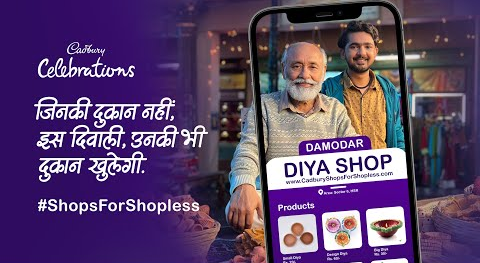
In October 2022, Cadbury Celebrations faced calls for a boycott over a Diwali advertisement featuring a poor, shopless diya seller named Damodar. The campaign was created to highlight the challenges faced by street vendors during the festive season, when they sell diyas but often lack permanent shops from which to operate.
The controversy began when some social media users claimed that the name Damodar was a reference to Prime Minister Narendra Modi’s father, Damodardas Modi, and alleged that the advertisement was intended to portray his family background negatively. The hashtag #BoycottCadbury began trending, turning an ad centred on supporting small vendors into a political controversy.
Why it became controversial: Cadbury’s campaign sought to draw attention to the livelihoods of small sellers during Diwali. However, some viewers interpreted the name of the central character as a political reference, shifting the conversation away from the campaign’s intended message. The reported allegations were claims made by social media users, not an established intention behind the advertisement.
What these controversies tell us about festive advertising
These campaigns had different starting points: Fabindia’s was about a festive collection, Tanishq’s addressed firecracker-free celebrations, and CEAT’s focused on road safety. Yet all three demonstrate how quickly a brand’s intended message can be overtaken by public debate.
For marketers, the challenge is not simply to avoid controversy. It is to understand the context in which a message will be received, anticipate how different audiences might interpret it, and decide whether the idea remains worth pursuing when reactions diverge.
Festive campaigns carry an emotional weight that ordinary product advertisements may not. They enter people’s homes, rituals and personal beliefs, making the line between brand storytelling and cultural commentary particularly sensitive.
Because during Diwali, brands aren’t just competing for attention. They’re stepping into a conversation about what the festival means to the people celebrating it.