

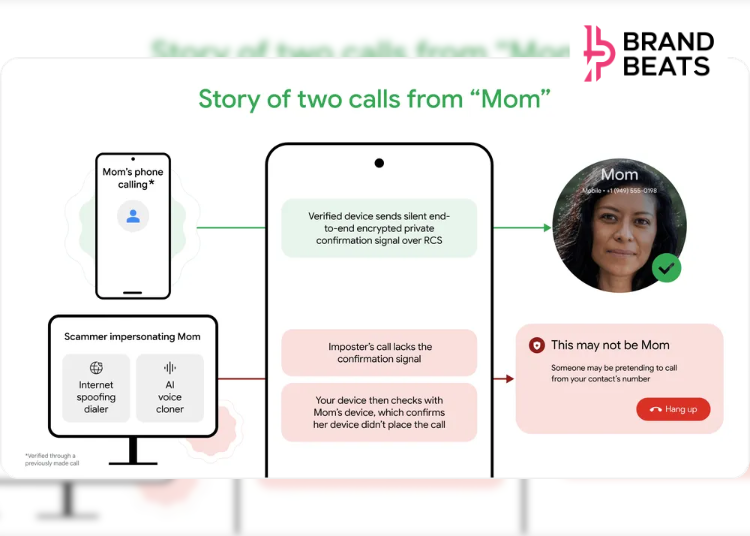
Google has introduced a new security feature called Fake Call Detection to help users spot and avoid impersonation scams that rely on AI-generated voices and spoofed phone numbers. Rolled out via phone by Google, the feature is aimed at a growing wave of fraud in which scammers impersonate trusted contacts such as family members, friends, or colleagues.
Rising Concerns Around AI-Driven Phone Fraud
The launch comes amid increasing concerns over the use of artificial intelligence in scams. Fraudsters can now clone voices and combine them with spoofed caller IDs, making it appear as though a call is coming from someone the recipient knows. According to Android, these tactics have become more effective as AI-generated audio has improved, making it difficult for many people to distinguish between genuine and fake voices.
The company cited findings from global fraud assessments identifying impersonation fraud as one of the leading contributors to financial losses worldwide. As more users ignore calls from unknown numbers, scammers have increasingly shifted toward impersonating known contacts to gain trust and pressure victims into sharing information or transferring money.
How The New Detection System Works
Fake Call Detection operates through a verification process between devices using Phone by Google. When a call is placed, the caller’s device sends a secure confirmation signal to verify that the call is genuinely originating from that contact’s device. This verification is enabled through end-to-end encrypted Rich Communication Services technology.
If the verification signal is missing, the receiving device performs an additional check with the contact’s actual device. When the system determines that the contact is not actively making a call, Android displays a warning advising the user that the caller may be impersonating someone they know. The alert is designed to help users identify potential fraud attempts during the call.
Rollout And Broader Security Strategy
Android said the feature is enabled by default and will begin rolling out globally to devices running Android 12 and above, starting with Pixel smartphones. Users whose devices do not use Phone by Google as the default dialer can install the application separately through the Google Play Store.
The company also noted that the technology is built on RCS, an open standard that could allow wider adoption by other device manufacturers and communication apps in the future. The launch adds to Google’s broader efforts to tackle scams across its ecosystem, including scam detection in messaging services, verified business communications, and network-level authentication measures to reduce caller ID spoofing.