
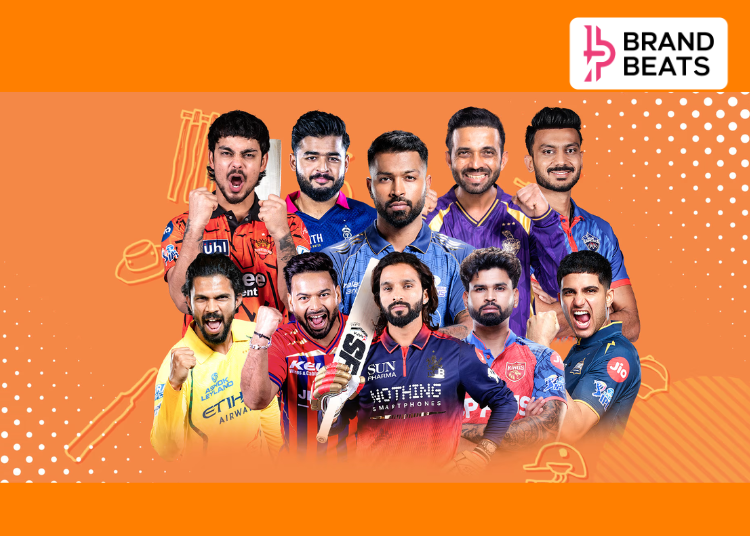
The IPL is no longer just a cricket tournament. It has become India’s biggest real-time marketing playground where brands compete for attention as aggressively as teams compete for trophies.
This season, brands didn’t just buy ad slots. They chased memes, partnered with creators, tapped into regional fandoms and built campaigns around live moments. With digital engagement reaching new highs across YouTube, Instagram and Connected TV, IPL 2026 became a masterclass in modern marketing.
Here are the biggest IPL 2026 marketing trends brands picked up this season.
1. Real-Time Moment Marketing Became Faster Than Ever
If there was one clear winner this IPL season, it was moment marketing.
Brands reacted to dropped catches, viral celebrations, unexpected wins and player memes within minutes. Instead of waiting for planned campaigns, marketing teams focused on being part of the conversation while it was still happening.
The strategy worked because IPL audiences consume content in real time. A joke posted during a match often generates more engagement than a polished campaign released days later. Brands like food delivery apps, fintech companies and quick-commerce platforms continued to dominate this space.
Example: Brands like Zomato continued to dominate real-time marketing, regularly posting witty takes on match moments and player performances within minutes of them happening.
View this post on Instagram
2. Creators Became More Important Than Celebrities
This IPL season showed that creators are no longer supporting players in campaigns, they are becoming the main attraction.
YouTube reported that brands, franchises and creators are collectively building cricket “superfans” through long-form content, behind-the-scenes videos and community-driven storytelling. Instead of relying only on celebrity endorsements, brands increasingly partnered with cricket creators who already had highly engaged audiences.
The shift reflects a broader trend where authenticity often performs better than star power.
View this post on Instagram
3. Regional Content Took Centre Stage
Brands realised that IPL fandom is not one-size-fits-all.
Fans increasingly consumed cricket content in regional languages through YouTube creators and local influencers. This pushed brands to create campaigns tailored for different regions instead of running the same national message everywhere.
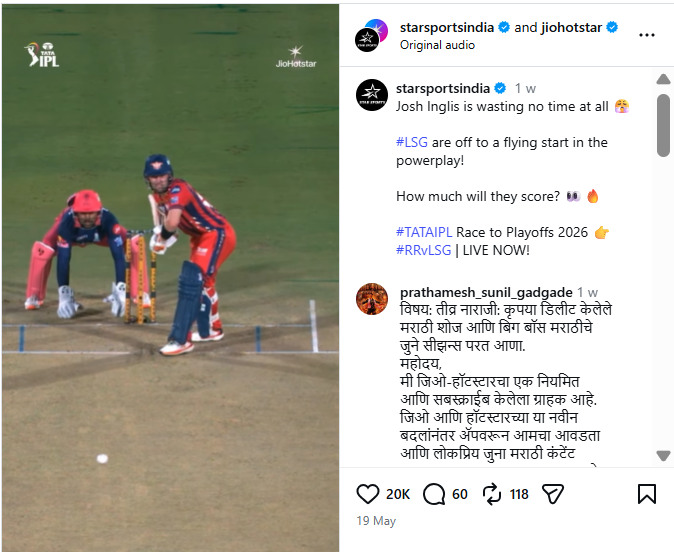
Regional commentary, local memes and language-specific content helped brands feel more relevant to audiences beyond metro cities. JioHotstar expanded regional language coverage and creator partnerships, while brands like PhonePe tailored social media communication for audiences across multiple Indian languages.
4. Long-Form Content Started Winning Alongside Reels
While short-form videos still dominated engagement, brands also invested heavily in long-form content this season.
YouTube highlighted how fans are looking for deeper connections with teams and players through interviews, analysis videos, documentaries and behind-the-scenes content. Brands used these formats to tell richer stories instead of chasing only quick views.
This shift signals that IPL audiences want both instant entertainment and deeper fandom experiences.
Teams continued producing behind-the-scenes documentaries, training-ground content and player stories on YouTube, helping fans connect with teams beyond match day.
View this post on Instagram
5. Connected TV Became a Premium Advertising Bet
One of the biggest business shifts this IPL season happened on screens bigger than smartphones.
Advertisers increasingly moved towards Connected TV (CTV), targeting premium audiences through smart TVs and streaming platforms. Reports showed ad rates on CTV rose significantly as brands prioritised better targeting and measurable engagement over traditional mass reach.
For marketers, IPL 2026 proved that digital sports advertising is becoming more precise and data-driven.
Brands such as Coca-Cola, Asian Paints, and Tata Motors increased their focus on premium digital video inventory during IPL, targeting households watching matches on connected TVs.
The biggest takeaway from IPL 2026 is that brands can no longer rely on visibility alone. The brands that stood out this season were the ones that reacted quickly, collaborated with creators, understood internet culture and built communities around cricket conversations. Whether through memes, regional content, YouTube storytelling or real-time engagement, the focus shifted from simply advertising during IPL to actively participating in it.
And as digital platforms continue reshaping sports fandom, IPL is increasingly becoming a test of cultural relevance as much as marketing spend.