

Airtel launched a new postpaid service called Priority Postpaid, powered by 5G Standalone (SA) network slicing technology that carves out dedicated bandwidth for paying subscribers during periods of congestion.
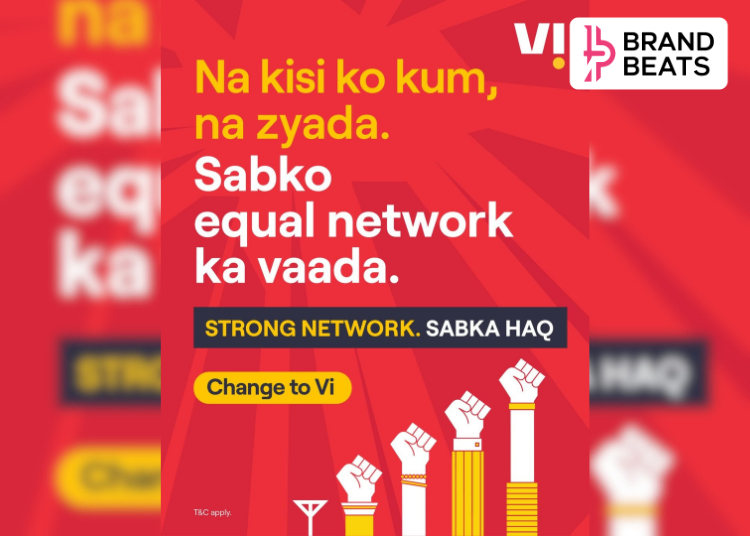
Vodafone Idea (Vi) immediately counter-attacked with a social media campaign branded ‘Strong Network. Sabka Haq’, framing Airtel’s move as a paid fast lane that divides rather than connects India. The exchange has ignited a three-way industry debate involving regulators, rival telcos, and consumer rights advocates.
Airtel Priority Postpaid: What the Service Actually Does
Airtel’s Priority Postpaid is built on 5G Standalone (SA) network slicing, a capability that distinguishes the current rollout from earlier non-standalone 5G deployments. Unlike non-standalone 5G, which piggybacks on 4G core infrastructure, standalone architecture allows operators to create virtualized, dedicated network slices with guaranteed Quality of Service (QoS), low latency, and stable throughput, particularly in high-demand environments.
This means priority subscribers receive consistent speeds even when a network cell is saturated, such as during concerts, metro commutes, airport check-ins, or crowded marketplaces — scenarios where general users typically experience severe slowdowns.
Plan Structure and Pricing
- Entry point: Rs 449/month (individual postpaid)
- Family plans: Available at higher tiers, bundling OTT subscriptions including Amazon Prime, JioHotstar, Apple TV+, Apple Music, and Netflix
- Auto-migration: Existing eligible postpaid subscribers are being automatically upgraded to the priority tier
Some users have received ‘smartphone not ready’ notifications via the Airtel Thanks app. The root cause is device compatibility. The service requires a 5G SA-compatible handset running the latest software version. Airtel has acknowledged the issue, attributing it to a phased rollout of hardware and software support across device ecosystems.
Vi’s Counter: ‘Strong Network, Sabka Haq’
Vi’s response was swift and pointed. The campaign, executed primarily through social media, deploys minimalist visuals paired with messaging that frames network quality as a democratic entitlement rather than a tiered commodity.
Key lines from the campaign include:
1. Not on their priority list? You’ll always be ours.
View this post on Instagram
2. A network should connect India. Not divide it
View this post on Instagram
3. Na kisi ko kum, na zyada. Sabko equal network ka vaada.
View this post on Instagram
The creative direction deliberately avoids naming Airtel directly while making the reference unmistakable. The tagline ‘Sabka Haq,’ which translates to “Everyone’s Right,” is designed to resonate with mass-market prepaid and postpaid users who feel excluded from premium service tiers.
The campaign serves a dual purpose. On the surface, it is competitive advertising using a rival’s controversy as a marketing opportunity to drive subscriber consideration. Below the surface, it repositions Vi in a market where it has struggled against Airtel and Jio’s financial firepower, casting its network as egalitarian by design rather than simply unable to offer tiered services.
The timing is also notable: Vi is in the middle of a network expansion effort and needs to demonstrate relevance to both existing and prospective subscribers.
FAQs
- What is Airtel Priority Postpaid?
A premium postpaid service that uses 5G Standalone technology to offer more stable network performance.
- In which scenarios is Airtel Priority Postpaid most beneficial?
It is designed to deliver a more consistent and reliable network experience in high-traffic environments such as airports, metro stations, concerts, and other crowded public venues. - Why are some Airtel users seeing a ‘smartphone not ready’ notification?
This usually means their device does not support 5G Standalone technology or may need a software update. - How much does the Airtel Priority Postpaid plan cost?
Airtel Priority Postpaid starts at Rs 449 per month for individual postpaid users.