

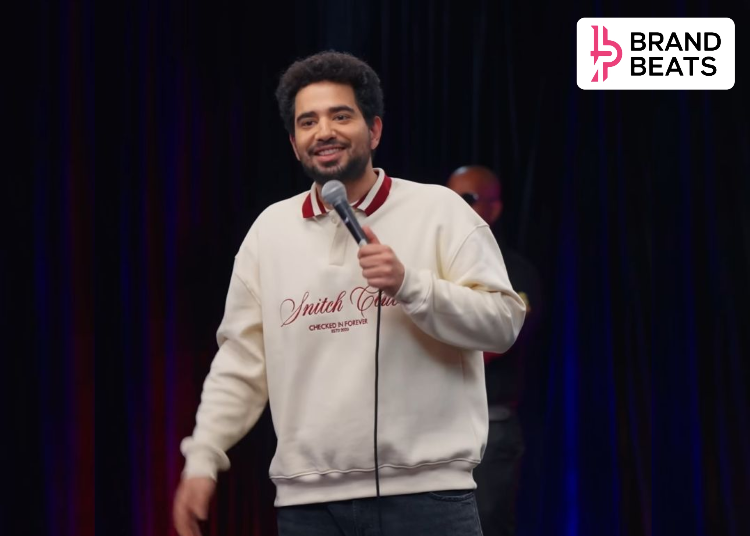

What if a brand paid to be part of a show but asked for none of the things brands usually pay for? No logo placement, no shoutout, not even a mention. That was the bet fashion brand Snitch made with India’s Got Latent Season 2 and, according to the numbers shared by Monk Entertainment co-founder Viraj Sheth, it paid off.
In an Instagram reel, Sheth revealed the thinking behind the unusual deal. Snitch founder Siddharth Dungarwal had approached him with an interest in collaborating with Samay Raina. When the opportunity came around three months later, the show’s sponsorship slots were already taken. Instead of dropping the idea, Sheth proposed a different route: let Raina wear Snitch, but keep the brand out of the usual advertising spotlight.
View this post on Instagram
The pitch came with a catch that most advertisers might find difficult to accept. There would be no logos, call-outs or mentions not even one. Dungarwal agreed.
When the show’s first Season 2 episode premiered on June 20, 2026, Raina and fellow panellist Balraj Singh Ghai appeared wearing Snitch outfits. The brand did not interrupt the show with a sponsored segment or a scripted endorsement. Its products simply became part of what viewers were watching.
And audiences noticed. Sheth said the featured sweatshirt sold out in under 15 minutes after the episode dropped, while searches for the keyword ‘sweatshirt’ reportedly rose by 4,000%. The black-and-white outfits worn by Raina and Ghai also sparked fan edits and online theories about the supposed symbolism behind the styling. Sheth revealed that the combination was far less calculated than viewers imagined: there simply wasn’t another T-shirt available.
According to Sheth, the association went on to generate 1.5 billion views across the internet, 28 billion seconds of viewing, a 40% increase in website traffic and ₹93 crore in earned media value. These are figures shared by Sheth and have not been independently verified.
The interesting part of the collaboration is not just the reported reach, but what Snitch was willing to give up to get it. While conventional influencer deals are built around clearly defined deliverables mentions, product placements and calls to action, this one left the audience to discover the brand for themselves.
For Snitch, the product did the talking. And the internet took the conversation from there.
In a creator economy where brands often compete for attention by making themselves impossible to miss, Snitch tried the opposite. It trusted the show, the creator and the audience to make the connection. The result, if the reported numbers are any indication, is a reminder that sometimes less branding can create more buzz.