
Five years ago, influencer marketing in India was largely about chasing the biggest names on Instagram or YouTube. A celebrity with millions of followers was often enough to guarantee campaign success. Fast forward to 2026, and the rules have completely changed.
Today, brands are asking different questions. Instead of “How many followers does this creator have?”, marketers want to know: Can this creator drive sales? Does their audience trust them? Can they create content that works across paid media? Are they the right voice for a specific region, language, or community?
This shift reflects the rapid maturation of India’s creator economy. According to Kofluence’s Decoding Influence 2026 report, India’s influencer marketing industry has crossed ₹3,500 crore and is expected to reach nearly ₹5,000 crore by 2027, making it one of the fastest-growing advertising channels in the country. At the same time, creators are becoming businesses, AI is streamlining content production, and brands are demanding measurable ROI instead of vanity metrics.
The creator landscape itself is changing. Nearly two-thirds of India’s creators now come from non-metro cities, proving that influence is no longer concentrated in Mumbai, Delhi, or Bengaluru. Regional creators, niche experts, and micro-communities are shaping consumer decisions just as much as celebrity influencers.
As influencer marketing enters a more structured, data-driven era, here are 12 trends defining India’s creator economy in 2026.
1. Nano and Micro Influencers Continue to Outperform Mega Creators
Bigger is no longer automatically better.
Brands increasingly prefer working with creators who have highly engaged communities instead of massive but passive audiences. Nano (1K–10K followers) and micro influencers (10K–100K followers) often generate higher engagement rates, stronger trust, and better conversion costs.
Instead of spending an entire campaign budget on one celebrity creator, brands are splitting investments across dozens of niche creators who collectively deliver broader and more authentic reach.
Example
Skincare brands like Minimalist and The Derma Co. frequently collaborate with dermatologists, skincare educators, and beauty creators who have smaller but highly engaged communities, resulting in stronger purchase intent than traditional celebrity campaigns.
2. Long-Term Creator Partnerships Are Replacing One-Off Campaigns
Influencer marketing is becoming relationship marketing.
Consumers can immediately recognize when a creator promotes a different brand every week. Repeated collaborations, however, create familiarity and credibility.
According to Kofluence, over 62% of brands now believe long-term creator relationships deliver better ROI than one-off partnerships.
Example
boAt has consistently worked with creators across technology, gaming, music, and lifestyle instead of relying only on isolated campaign collaborations, helping reinforce brand recall throughout the year.
3. Regional Creators Are Becoming National Marketing Assets
India’s next creator boom isn’t happening only in metro cities.
Creators from Tier-2 and Tier-3 cities are attracting increasing brand budgets because they produce content in regional languages and connect deeply with local audiences.
Kofluence notes that over 62% of creators are receiving more region-specific campaign briefs, while recent research also shows nearly two-thirds of Indian creators now come from non-metros.
Example
Brands like Meesho and Amazon India regularly partner with Hindi, Tamil, Telugu and Marathi creators during festive shopping campaigns to improve regional reach.
4. AI Is Becoming Every Creator’s Production Assistant
Artificial intelligence is changing the way creators work by making content production faster and more efficient. Instead of replacing creativity, AI is helping creators with tasks such as scriptwriting, caption generation, video editing, thumbnail creation, translations, and audience analytics. According to Kofluence’s Decoding Influence 2026 report, nearly 59% of creators now use AI either regularly or occasionally in their workflow. This allows them to produce more content without compromising quality.
Example
Many educational YouTubers, including creators in the edtech space, now use AI-powered dubbing and subtitle tools to publish videos in multiple Indian languages. This helps them reach audiences beyond their primary language without recording the same content repeatedly.
5. Performance Marketing Is Replacing Vanity Metrics
Likes and follower counts are no longer enough to justify influencer marketing spends. Brands are increasingly evaluating campaigns based on measurable business outcomes such as sales, conversions, affiliate revenue, website traffic, and return on ad spend (ROAS). As a result, creators are being treated as performance partners rather than just content creators, with budgets tied to actual results instead of reach alone.
Example
Beauty brands like Mamaearth and Minimalist often provide creators with unique coupon codes or affiliate links, allowing them to track exactly which influencer generated purchases and optimise future collaborations based on real performance data.
6. Creator-Led Commerce Is Accelerating
Creators are no longer just influencing buying decisions—they’re becoming a direct part of the shopping journey. Features like affiliate links, shoppable storefronts, live commerce, and creator-curated collections are making it easier for audiences to purchase products immediately after discovering them. This is reducing the gap between content consumption and conversion while creating new revenue streams for creators.
Example
Fashion creators on Wishlink curate shoppable collections where followers can browse and purchase the exact outfits featured in their videos. Similarly, Amazon’s Creator Central and Flipkart’s creator initiatives are encouraging influencers to drive commerce directly through content.
7. User-Generated Content (UGC) Is Becoming More Valuable Than Polished Ads
Consumers increasingly trust content that feels genuine.
Brands now commission creators specifically to produce authentic-looking videos that can later be repurposed across paid advertisements, websites and social media.
These creators may never even publish the content on their own accounts.
Example
Many D2C skincare brands now run Meta ads featuring everyday creators explaining how they actually use a product instead of polished studio commercials.
8. Multi-Platform Creators Are Winning Bigger Campaigns
Successful creators are no longer defined by one platform.
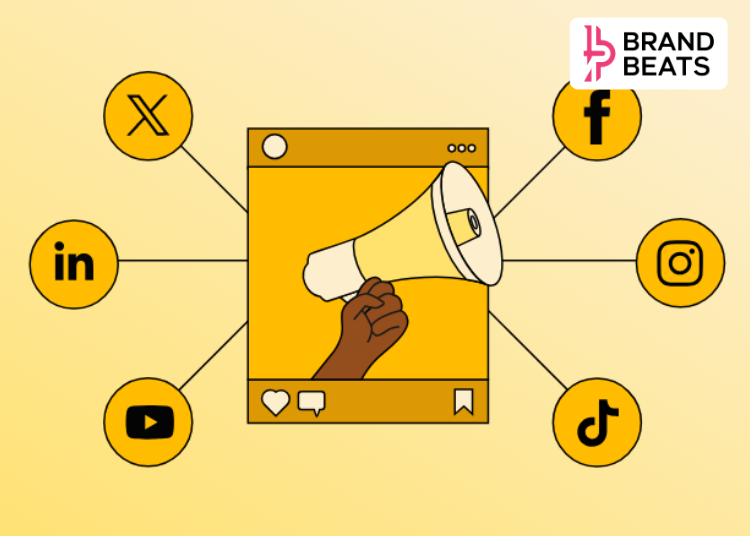
Brands increasingly look for creators who have audiences across:
- YouTube
- Snapchat
- Threads
- Podcasts
This reduces dependence on changing algorithms while extending campaign reach.
Example
Finance educator Sharan Hegde reaches audiences through Instagram, YouTube, podcasts and LinkedIn, making him attractive for integrated campaigns.
9. Niche Expertise Is Becoming More Valuable Than Mass Popularity
Consumers today are looking for informed recommendations rather than generic endorsements. As a result, brands are partnering with creators who have established authority in specific categories such as finance, health, technology, education, gaming, or parenting. While these creators may have smaller audiences, they often command greater trust and higher engagement because their content is built on expertise.
Example: Finance educator CA Rachana Ranade has become a preferred partner for fintech and investment brands because her audience actively seeks financial guidance. Similarly, doctors and dermatologists on Instagram are increasingly collaborating with skincare brands, as consumers place greater trust in expert opinions than celebrity endorsements.
10. Compliance and Transparency Are Becoming Business Essentials
As influencer marketing becomes more organised, transparency is turning into a competitive advantage. Brands are strengthening contracts, creators are operating as registered businesses, and advertising disclosures are becoming standard practice. According to Kofluence, nearly 40% of brands now send influencer agreements through legal review, reflecting the growing professionalism of the industry.
Example
Today, most branded collaborations clearly carry labels such as #Ad, #Sponsored, or Instagram’s Paid Partnership tag. Brands like Nykaa, Myntra, and Amazon India consistently ensure that paid collaborations are disclosed, helping build greater trust with audiences while complying with advertising guidelines.
11. Always-On Influencer Marketing Is Replacing Seasonal Bursts
Instead of working with creators only during festive campaigns or product launches, brands are investing in year-round partnerships. An always-on strategy keeps brands consistently visible, allows creators to integrate products naturally into their content, and helps build stronger audience trust over time. It also enables marketers to create sustained conversations instead of relying on short-lived campaign spikes.
Example
Nykaa regularly collaborates with beauty creators throughout the year for product launches, tutorials, seasonal skincare routines, and major sale events. Similarly, boAt maintains ongoing partnerships with tech and lifestyle creators, ensuring continuous visibility across different platforms.
12. Creators Are Becoming Entrepreneurs, Not Just Influencers
Many creators are expanding beyond brand collaborations and building businesses of their own. From launching D2C brands and online courses to selling merchandise and creating exclusive communities, creators are diversifying their income and turning their personal brands into long-term businesses. This shift reflects the growing maturity of India’s creator economy, where influence is increasingly viewed as intellectual property rather than just social media reach.
Example
Food creator Kabita Singh has expanded her brand through cookbooks and commercial collaborations, while creators like Sharan Hegde have built businesses around financial education with courses, communities, and digital products. Their success shows how creators are evolving into entrepreneurs with multiple revenue streams beyond social media.