
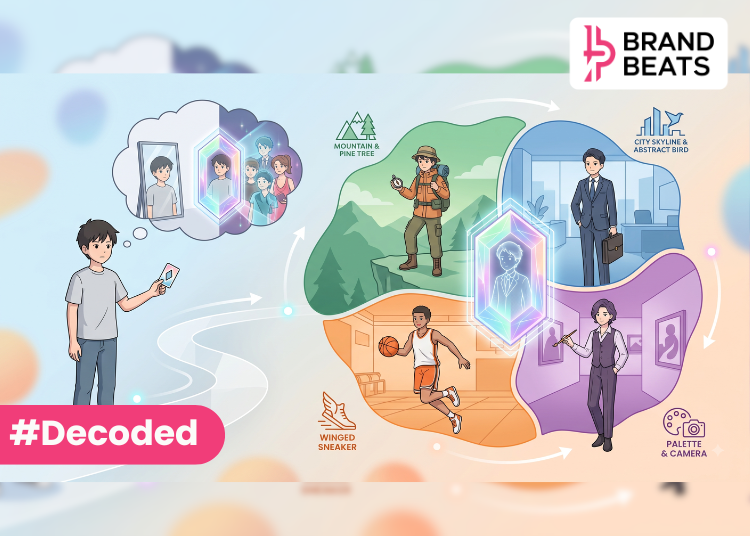
Most people think they buy products because they need them. But marketing becomes much more interesting when the product is doing another job: helping people say something about themselves.
That is the core of identity based motivation.
A person does not always ask, Which product is best for me? They can also ask, almost subconsciously, What does choosing this product say about the kind of person I am?
Psychologist Daphna Oyserman’s research on identity based motivation argues that which part of our identity feels important can change with the situation, and that identity can influence consumer choices.

In simple terms, the same person can make very different choices depending on which version of themselves is active at that moment.
That creates a powerful opportunity for brands. Instead of competing only on price, features or performance, they can build a product around an identity: the athlete, the rebel, the explorer, the creator, the conscious consumer, the modern Indian woman or the person who simply refuses to be ordinary.
And this is where the marketing gets interesting.
Nike did not just sell shoes. It sold the person wearing them
Nike is probably one of the clearest global examples of identity based marketing.

A pair of running shoes can be compared on cushioning, weight, durability and price. But Nike has spent decades making the conversation much bigger than footwear.
Its marketing repeatedly puts the consumer inside a larger identity: athlete, competitor, achiever, someone who pushes through discomfort and keeps going.
View this post on Instagram
View this post on Instagram
View this post on Instagram
That is why the Nike swoosh can mean much more than sportswear. Wearing Nike can become a small declaration about ambition and attitude.
The product becomes a prop in a larger personal story.
Apple uses a related idea, but with a different identity.
The company has historically positioned itself around people who see themselves as creative, unconventional and willing to challenge the obvious. Its famous ‘Think Different’ era made that identity central to the brand rather than leading every conversation with technical specifications.
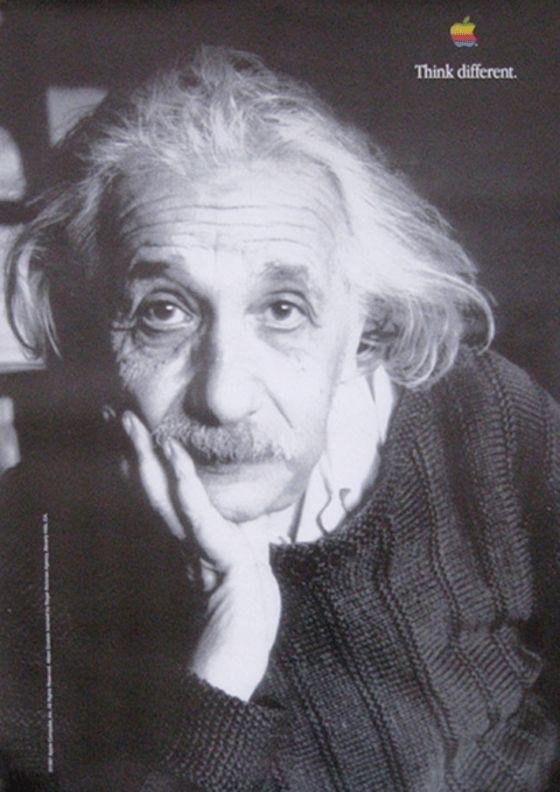
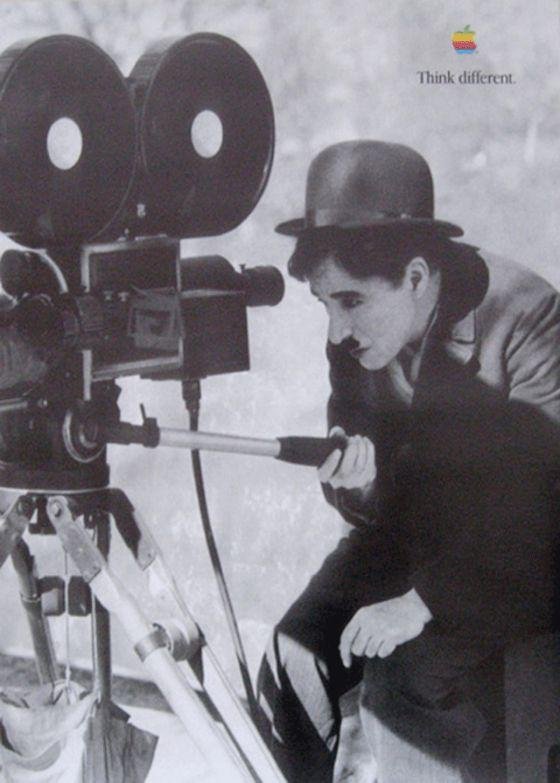
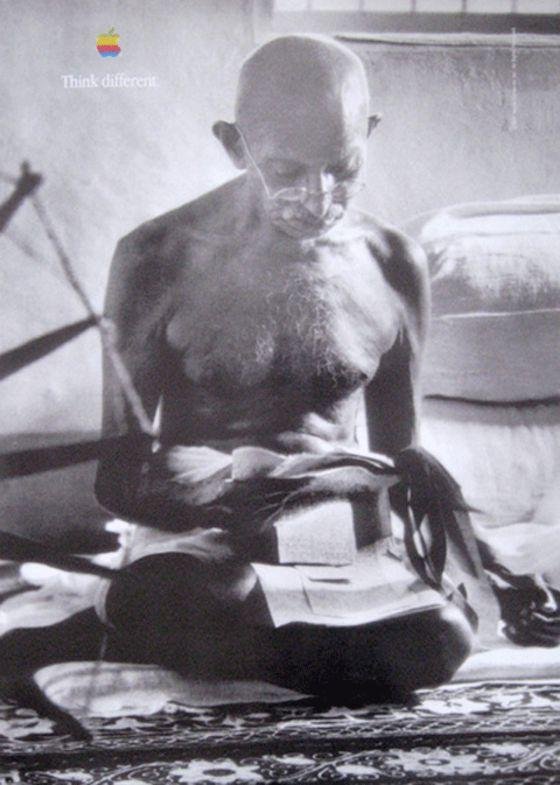
That distinction matters. A specification tells you what a product does. An identity tells you what buying it says about you.
Harley Davidson turns ownership into membership
Few brands demonstrate the social side of identity better than Harley Davidson.
Motorcycles are functional products. They provide transportation, performance and recreation. Harley has consistently tried to make the motorcycle mean something larger: freedom, individuality, rebellion and belonging to a rider culture.
That identity is strengthened through community. Harley Davidson describes its riders not simply as owners but as a community, and its current global RIDE platform continues to frame riding as a way of life.
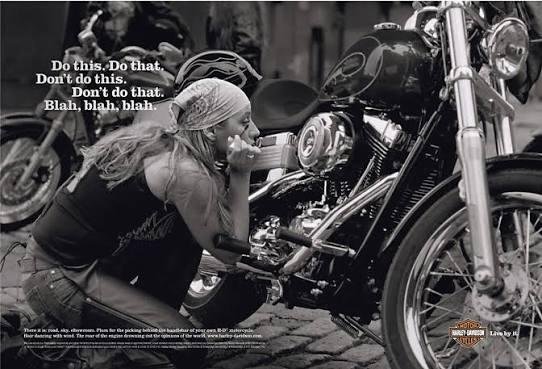
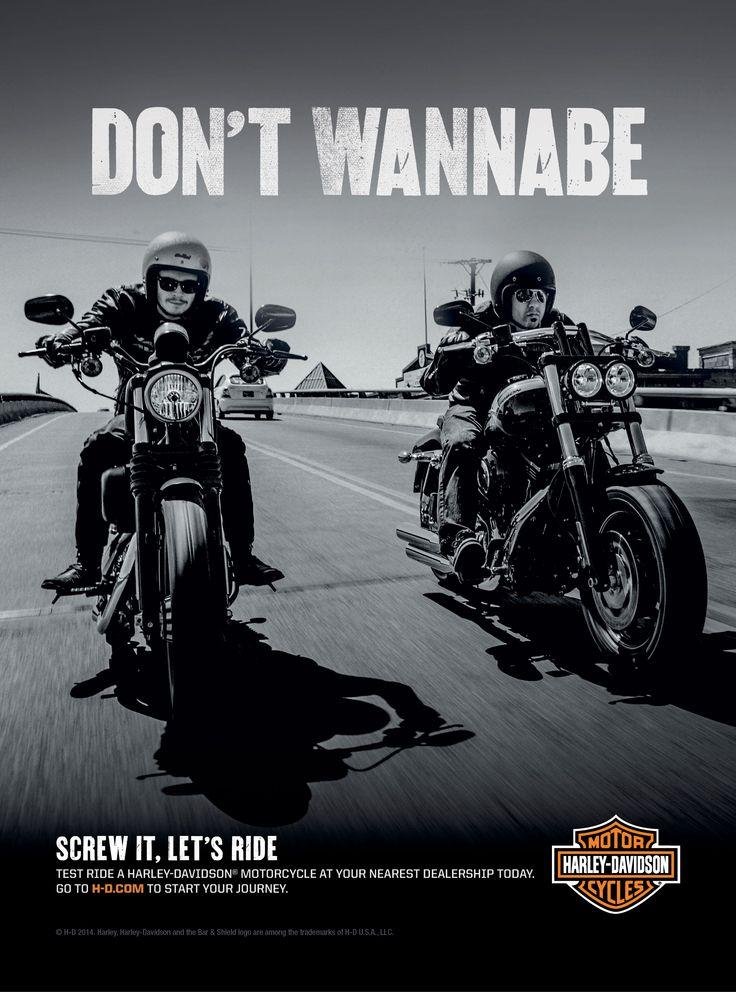
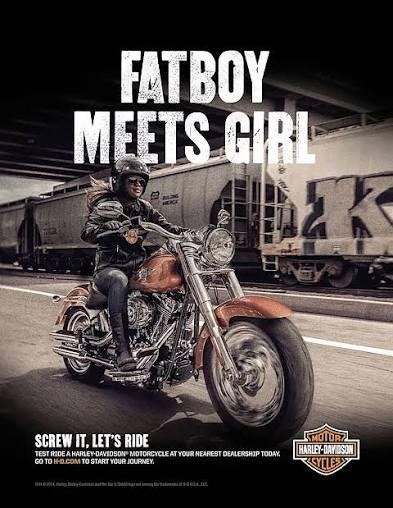
This is important because identity becomes more powerful when other people can recognise it.
A Harley rider does not have to explain every time what the motorcycle means to them. The bike, clothing, events and community can do some of that communication.
That is the key difference between selling a product and selling an identity.
The interesting part is what happens when this psychology reaches India
Indian brands increasingly understand that consumers are not one dimensional.
A young consumer can want global relevance and Indian cultural familiarity at the same time. A woman can want beauty products while also wanting control over how she defines beauty. A motorcycle buyer can want practical transportation while also wanting adventure, community and status.
This is where identity based motivation becomes especially useful.
Royal Enfield is perhaps the strongest Indian example.
The company itself describes its mission around exploration and says it has cultivated a riding culture around the joy of the journey. It also highlights its growing Royal Enfield community, rides and events as an important part of the brand.
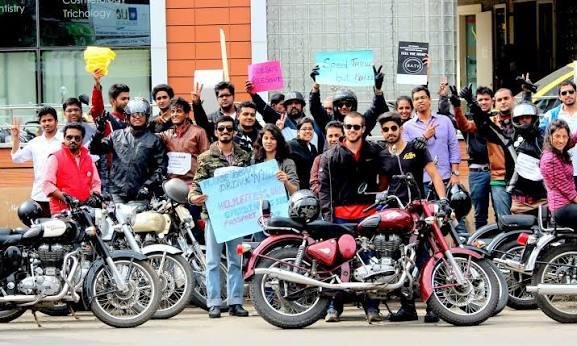
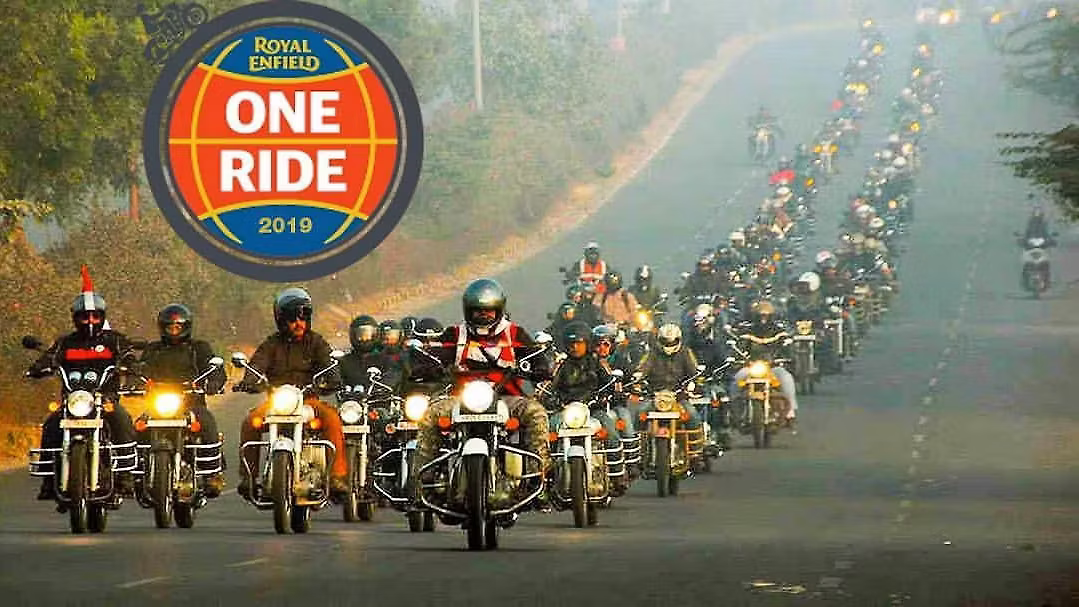
That is a very different proposition from simply saying, Here is a motorcycle with these specifications.
The motorcycle becomes a badge for a particular version of the rider.
You are not only buying an engine. You are buying into the explorer, traveller or motorcycling enthusiast identity that the brand has built around the machine.
This is why Royal Enfield can turn a ride into content, a rider into a community member and a motorcycle into something much closer to a lifestyle object.
Nykaa shows how identity can change an entire category
Nykaa offers another interesting version of the same psychology.
Beauty shopping can easily become a functional transaction. Buy foundation. Buy lipstick. Buy skincare.
Nykaa has built a broader proposition around discovery, self expression and personal style. The company says its name comes from the Sanskrit word Nayaka and frames the brand around helping consumers discover their unique identity and style. It also describes its content, community and expert led education as part of the consumer experience.
View this post on Instagram
View this post on Instagram
That changes the role of the platform.
It is no longer simply a place where beauty products are listed.
It becomes a place where consumers experiment with versions of themselves.
That is a much deeper relationship.
The same logic can be seen across newer Indian consumer brands that use culture, creators, communities and distinctive lifestyles to build relevance. The product may be headphones, clothing, cosmetics or a motorcycle, but the marketing question is increasingly similar:
Who is the person who uses this?
And perhaps more importantly:
Who does that person believe they are becoming?
The best identity marketing does not invent an identity. It gives one a product
There is a trap here.
Brands cannot simply decide that their customers are rebels, creators or explorers and expect consumers to believe it. Identity marketing works when the product, experience, communication and community reinforce the same meaning over time.
Nike has products and athletes that make its performance identity credible. Harley has the motorcycle culture and rider community. Patagonia connects its environmental positioning to product and business choices. Royal Enfield connects exploration to rides and community. Nykaa builds its self expression positioning through commerce, content and beauty discovery.
The psychology is therefore not simply about making an advertisement emotional.
It is about creating a shortcut between a brand and a version of the consumer.
That shortcut can become incredibly valuable.
When a consumer says, This is my kind of brand, the decision is no longer only about whether the product is better.
It is also about whether the brand feels like them. And that may be the biggest shift in modern marketing. The strongest brands do not always ask consumers to buy something.
They give consumers a way to recognise themselves.
FAQs
- What is consumer identity in marketing?
Consumer identity in marketing is the idea that people often choose brands that reflect who they are, what they value or who they want to become.
- What is identity based marketing?
Identity based marketing connects a brand or product with a specific identity, lifestyle or aspiration that consumers want to associate with themselves.
- How does consumer identity influence buying decisions?
Consumers may prefer brands that feel aligned with their personality, values, lifestyle or aspirations, making identity an important part of purchase decisions.
- Why do people choose brands that reflect their identity?
People often use brands to express themselves and communicate something about their personality, interests, values or social identity.