

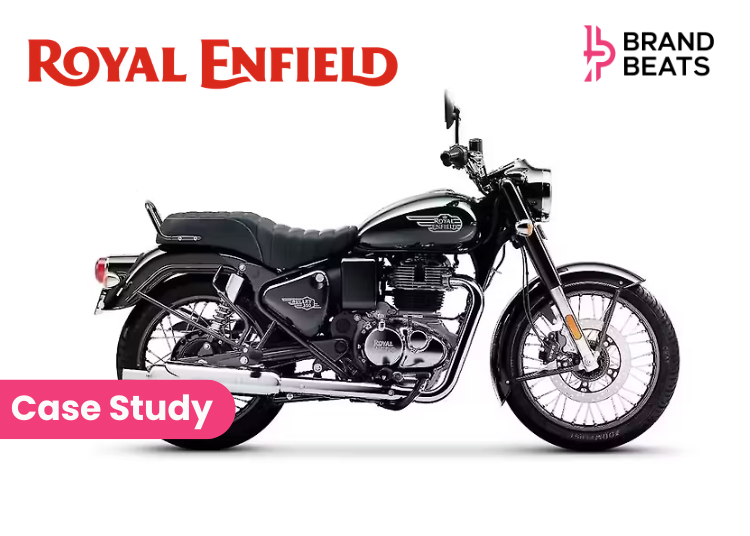
Imagine hearing a motorcycle before you even see it. For millions of riders, that unmistakable thump is enough to recognise a Royal Enfield. While most motorcycle brands compete over speed, mileage, and technology, Royal Enfield built its reputation around something far more difficult to replicate, character.
Riding one has never been just about reaching a destination. It is about enjoying the journey, embracing the road, and becoming part of a culture that stretches across generations.
That journey transformed Royal Enfield from a military motorcycle into an iconic lifestyle brand.
Instead of constantly reinventing itself to follow market trends, the company strengthened its heritage while carefully adapting to changing consumer preferences.
Through iconic motorcycles, passionate rider communities, memorable experiences, and consistent brand storytelling, Royal Enfield proved that emotional connection can become a stronger competitive advantage than horsepower or price.
The turning point that changed the brand
Royal Enfield’s Indian story began with a practical use case, not a glossy brand idea. The Indian Army selected the Bullet in the early 1950s, and in 1955 Royal Enfield partnered with Madras Motors to assemble the Bullet in India.
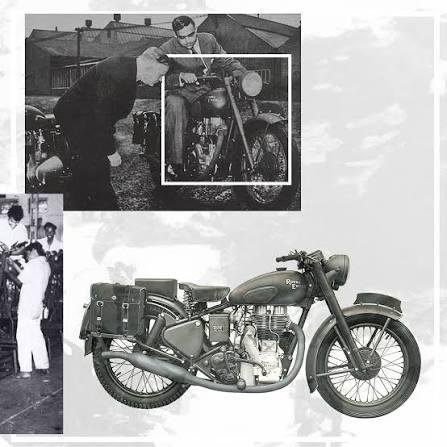
By 1962, all of its components were being manufactured in India, helping Royal Enfield earn something few two-wheeler brands had at the time: trust built through years of reliability, utility, and real-world performance.
It was already part of real life before it became part of style.
The bigger strategic shift came much later, when Royal Enfield stopped trying to be just another motorcycle company and started acting like a brand with a point of view.
The company, owned by Eicher Motors, describes Royal Enfield as the oldest motorcycle brand in continuous production since 1901, and its annual reports repeatedly frame the business around accessible motorcycles, rider experiences, and ecosystem building.
That matters because it shows a clear move from product selling to category shaping.
That shift was important because the brand was not winning by being the most advanced. It was winning by being the most recognisable. The heavy stance, old-school design, and distinct thump created a character that people could identify instantly.
In marketing terms, Royal Enfield found a space that was emotionally ownable.
It became the bike for riders who wanted presence, not just transport. That is a very different proposition from the usual commuter bike story.
Selling a riding culture instead of a motorcycle
Royal Enfield’s biggest marketing strength isn’t advertising. It’s community building.
Instead of treating customers as buyers, the brand makes them feel like they’re part of something bigger. That sense of belonging has become one of its strongest competitive advantages.
One of the best examples is ‘One Ride’, a global riding event launched in 2011.
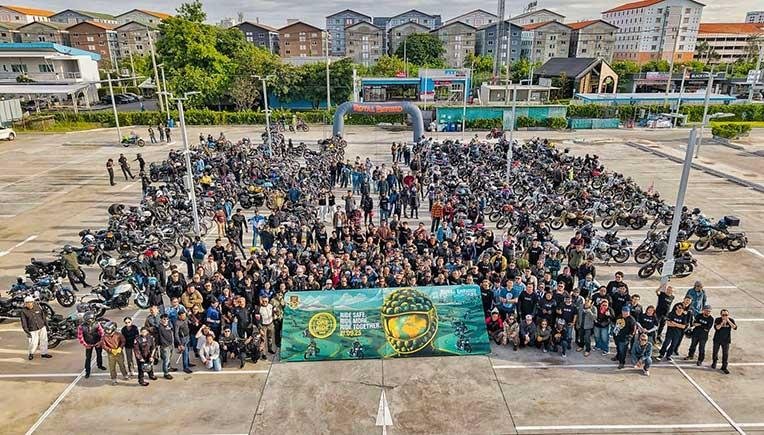
Every year, thousands of Royal Enfield owners ride together across different countries, united by a shared passion for motorcycling. The event keeps riders emotionally connected to the brand long after they have purchased a motorcycle.
The company has expanded this idea through experiences rather than promotions. From organised rides and tours to Motoverse, rentals, and service events, Royal Enfield constantly creates reasons for riders to get back on the road.
Instead of simply talking about adventure, it gives people opportunities to experience it.
Storytelling is another pillar of Royal Enfield’s marketing strategy.
Rather than focusing only on specifications, the brand tells stories about journeys, exploration, and memorable rides. The motorcycle becomes part of a larger narrative instead of being the entire story.
Its communication consistently revolves around freedom, self expression, and authentic riding experiences. That emotional consistency helps every campaign, event, and product feel connected.
As a result, customers don’t just remember the motorcycle.
They remember how the brand makes them feel
The products that carried the story forward
Royal Enfield modernised without abandoning the motorcycles that made it famous.
Instead of replacing its heritage models, the company expanded its portfolio while keeping the brand’s timeless design language intact. This helped every new launch feel familiar yet fresh.
The ‘Bullet’ remains the brand’s biggest symbol of legacy and durability.
The ‘Classic 350’ transformed nostalgia into a mainstream premium offering and quickly became one of Royal Enfield’s most successful motorcycles. Together, they continue to define the brand’s identity.
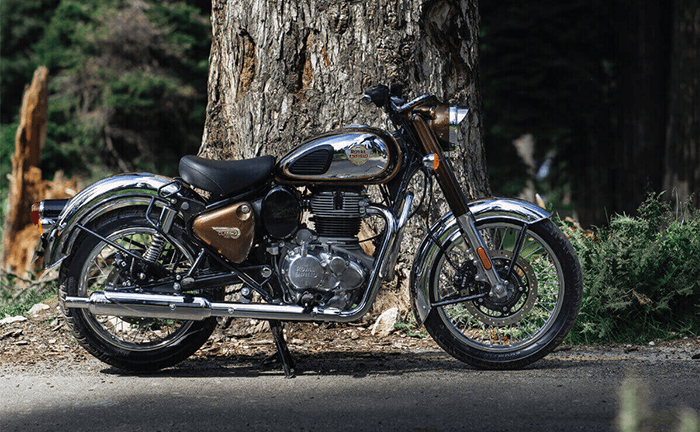
As customer preferences evolved, Royal Enfield entered new segments with purpose.
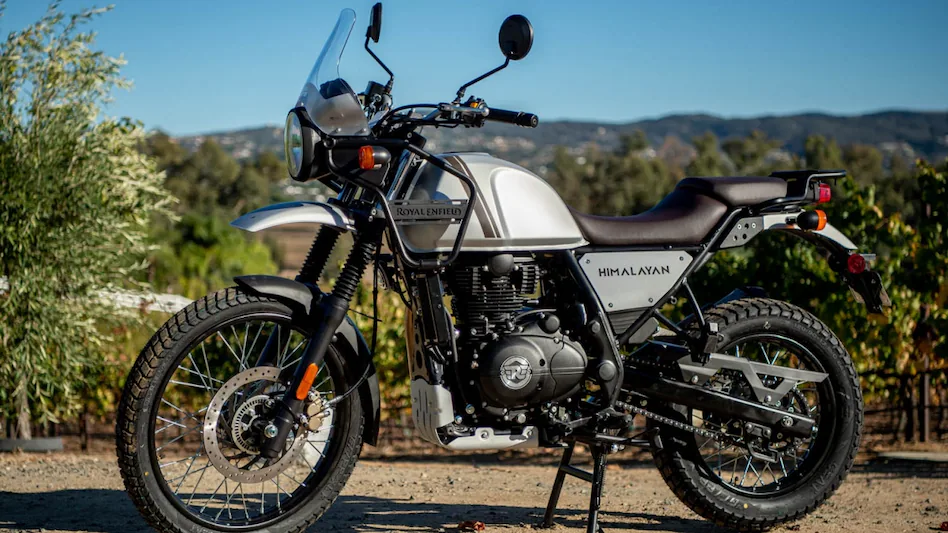
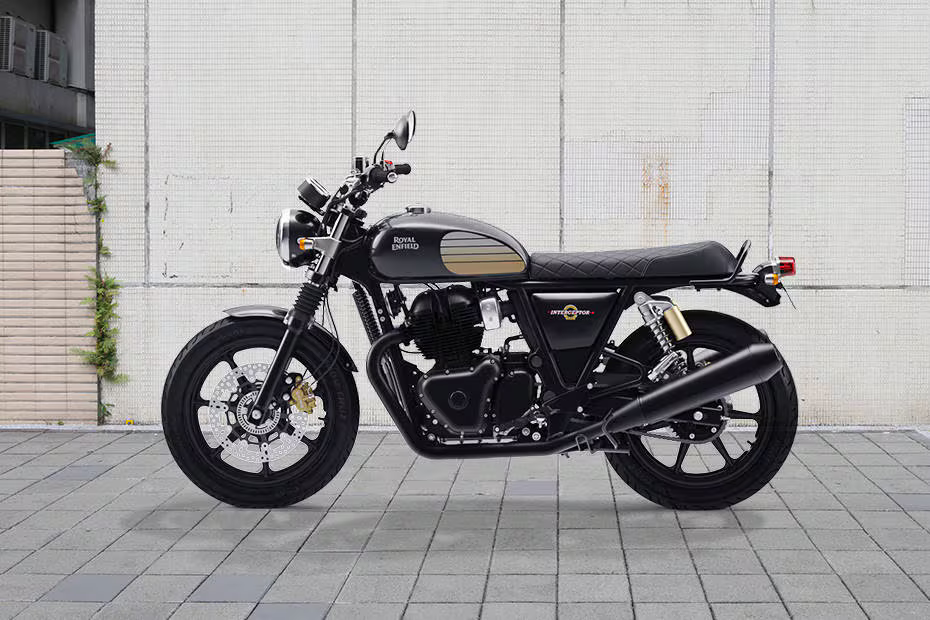
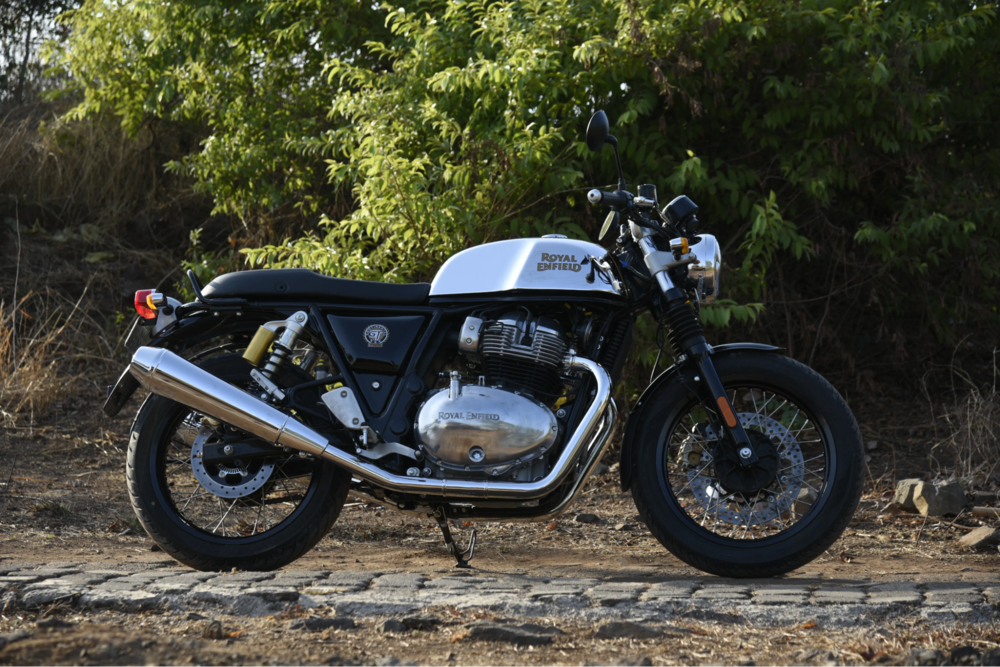
The Himalayan established its adventure touring credentials, while the Interceptor 650 and Continental GT 650 attracted enthusiasts looking for classic styling with modern performance. These motorcycles also strengthened the brand’s global appeal.
To connect with younger riders, the company introduced models like the Hunter 350 and Guerrilla 450. While they offered a fresh riding experience, they still carried the unmistakable Royal Enfield character.
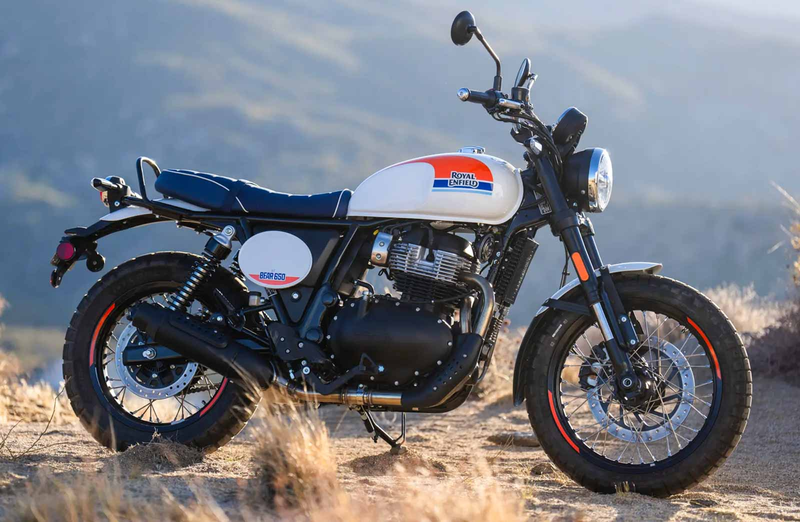
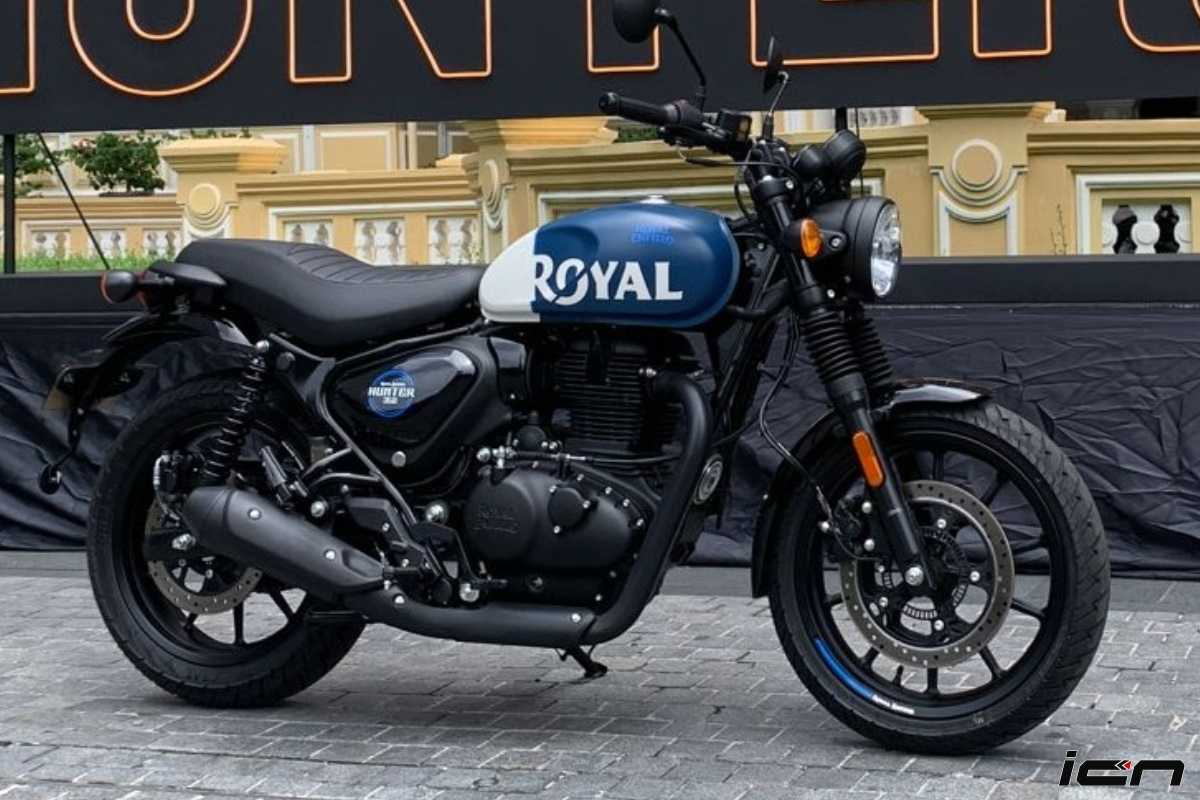
Every motorcycle served a different audience without diluting the brand.
Royal Enfield also recognised that riders want motorcycles that reflect their personality.
Through initiatives like ‘Make It Yours’ and ‘Factory Custom’, customers can personalise their bikes with colours, accessories, badges, and seat options. It transforms ownership into a creative experience rather than just a purchase.
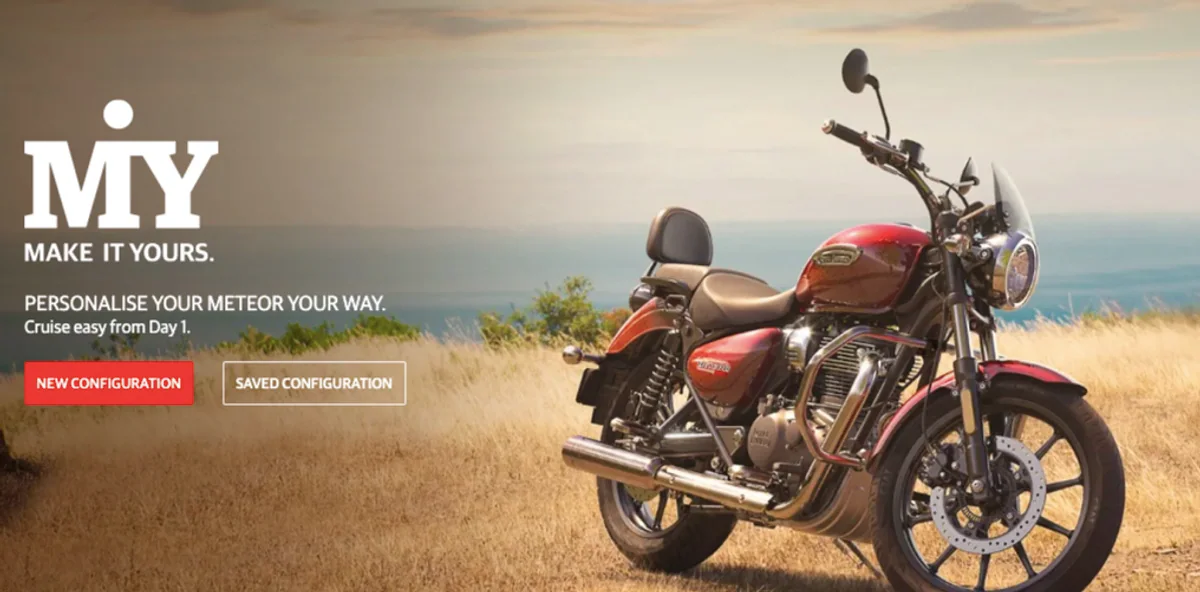
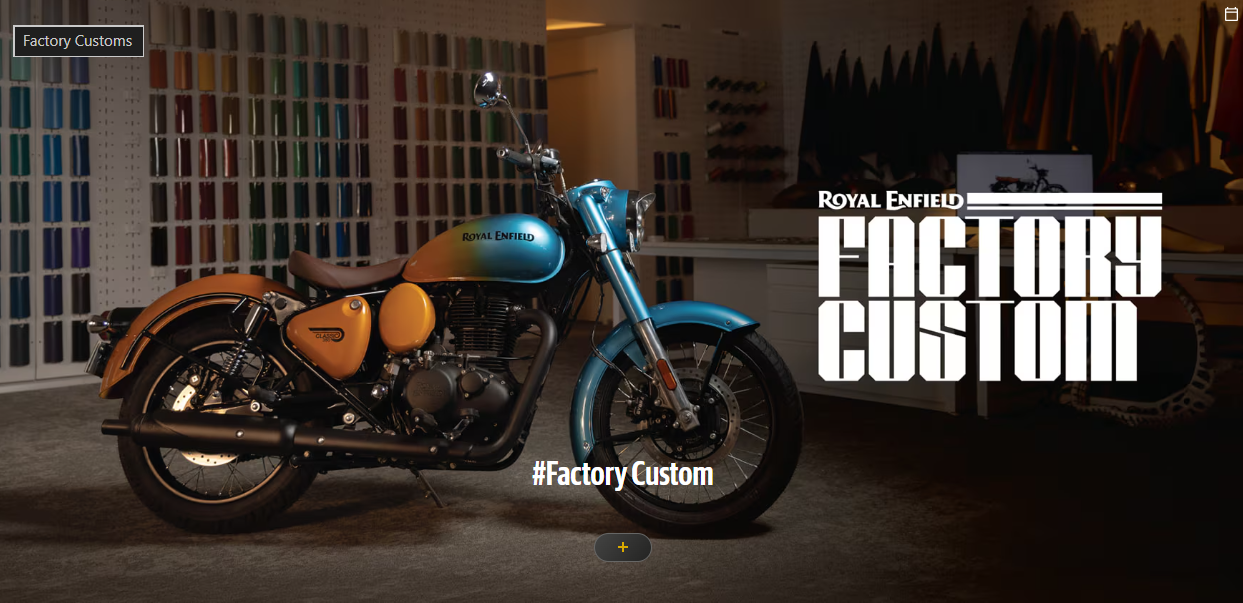
When riders help shape their own motorcycle, they build a stronger emotional connection with it. Instead of selling a standard product, Royal Enfield gives customers something that feels uniquely theirs.
What marketers can learn from Royal Enfield
The most useful lesson from Royal Enfield is that strong brands do not always win by trying to speak to everyone.
They win by owning a very clear point of view and repeating it long enough for people to believe it. Royal Enfield did this by standing for simple motorcycles, authentic riding, and a sense of belonging. That focus helped the brand stay distinct even as the market changed around it.
Consistency became a competitive advantage.
A second lesson is that community can be more powerful than advertising noise.
One Ride, rides calendars, tours, Motoverse, rentals, and rider-focused content all show that Royal Enfield treats ownership as an ongoing relationship. This matters because motorcycles are not low-involvement purchases.
Riders want identity, pride, and shared experience.
Royal Enfield understood that early and built a system around it. The result is a brand people join, not just buy.
The third lesson is that heritage only works when it is useful.
Royal Enfield did not preserve the past as museum material. It used the past to create trust, then expanded into new segments with fresh models, stronger customisation, and a broader experience layer.
That balance is what makes the brand interesting from a marketing point of view. It shows how a legacy company can stay emotionally familiar while still moving forward.
BrandBeats’ Take
Royal Enfield’s biggest achievement isn’t building motorcycles. It’s building a culture that riders genuinely want to be part of. In an era where brands constantly chase the next trend, Royal Enfield has stayed relevant by staying true to its identity. Its journey is a reminder that when a brand creates belonging instead of just awareness, loyalty becomes its strongest competitive advantage.
FAQs
- What is Royal Enfield known for?
Royal Enfield is known for its classic motorcycles, strong road presence, and a riding culture that focuses on style, comfort, and long distance travel.
- Why is Royal Enfield so popular?
It is popular because people connect with its design, sound, and old school appeal. Many riders also like the sense of identity and community the brand creates.
- What makes Royal Enfield different from other bike brands?
Royal Enfield stands out because it sells more than a motorcycle. It sells a riding experience, a strong brand image, and a feeling of belonging.
- Which are the most famous Royal Enfield bikes?
Some of the most well known models are the Bullet 350, Classic 350, Himalayan, Interceptor 650, and Continental GT 650.
- How did Royal Enfield become a lifestyle brand?
The brand used heritage, riding events, storytelling, and community marketing to build an emotional connection with riders. That helped it become more than just a bike company.