

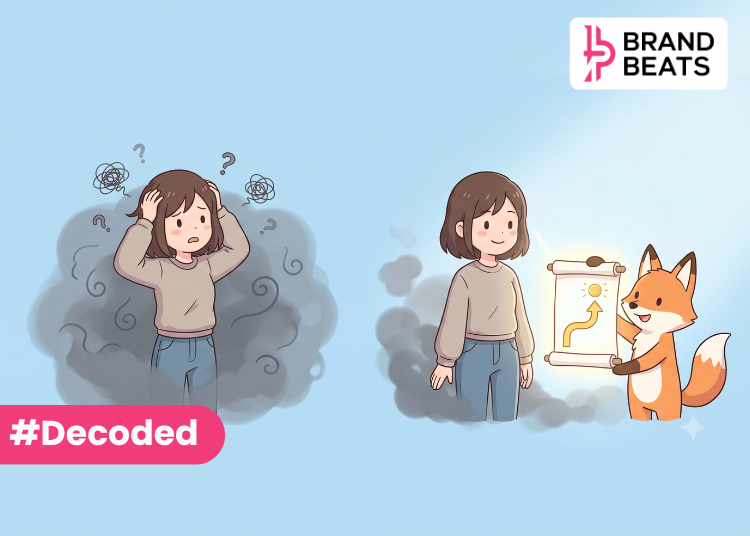
Imagine choosing between two insurance plans.
One clearly explains the premium, coverage, exclusions, and benefits. The other uses broad promises but leaves you wondering what is actually included. Even before comparing the plans in detail, the first one feels easier to choose.
That reaction is linked to Ambiguity Aversion, a concept in marketing psychology that explains why people often prefer options when they can understand what they are getting.
The problem is not always risk itself. It is the discomfort of dealing with information that feels vague, incomplete, or difficult to interpret.
Consumers can tolerate uncertainty when they understand the possible outcomes, but vague information can make a decision feel harder than it needs to be.
Consider booking a hotel. You may accept that your trip could still have unexpected problems. But if the price is unclear, cancellation rules are hidden, or there are barely any reviews, the booking feels much more uncertain.
This is why ambiguity in marketing often appears in small details rather than dramatic claims.
The role of marketing, then, is not simply to persuade consumers that a product is good. It is also to make the decision easier to understand. A clear comparison, a visible price, a useful rating, or a simple explanation can remove some of the mental work involved in choosing.
Why Clarity Can Change the Way Consumers Choose
Buying a snack you have never tried is very different from choosing health insurance, booking an expensive holiday, or investing money. Ambiguity becomes more important when the decision involves money, time, or consequences that are difficult to reverse.
One reason is decision confidence. When consumers understand the major differences between options, they can judge those options using information rather than guesswork.
This also explains why more information is not always better. A page packed with technical language can create just as much confusion as missing information.
What matters is whether consumers can quickly understand the details that affect their decision.
Good marketing therefore turns hidden questions into visible information. How much will it cost? What exactly do I get? What happens if I cancel? How have other people rated it? What are the differences between these options?
The easier these questions are to answer, the less ambiguous the decision becomes.
Policybazaar, Urban Company and MakeMyTrip
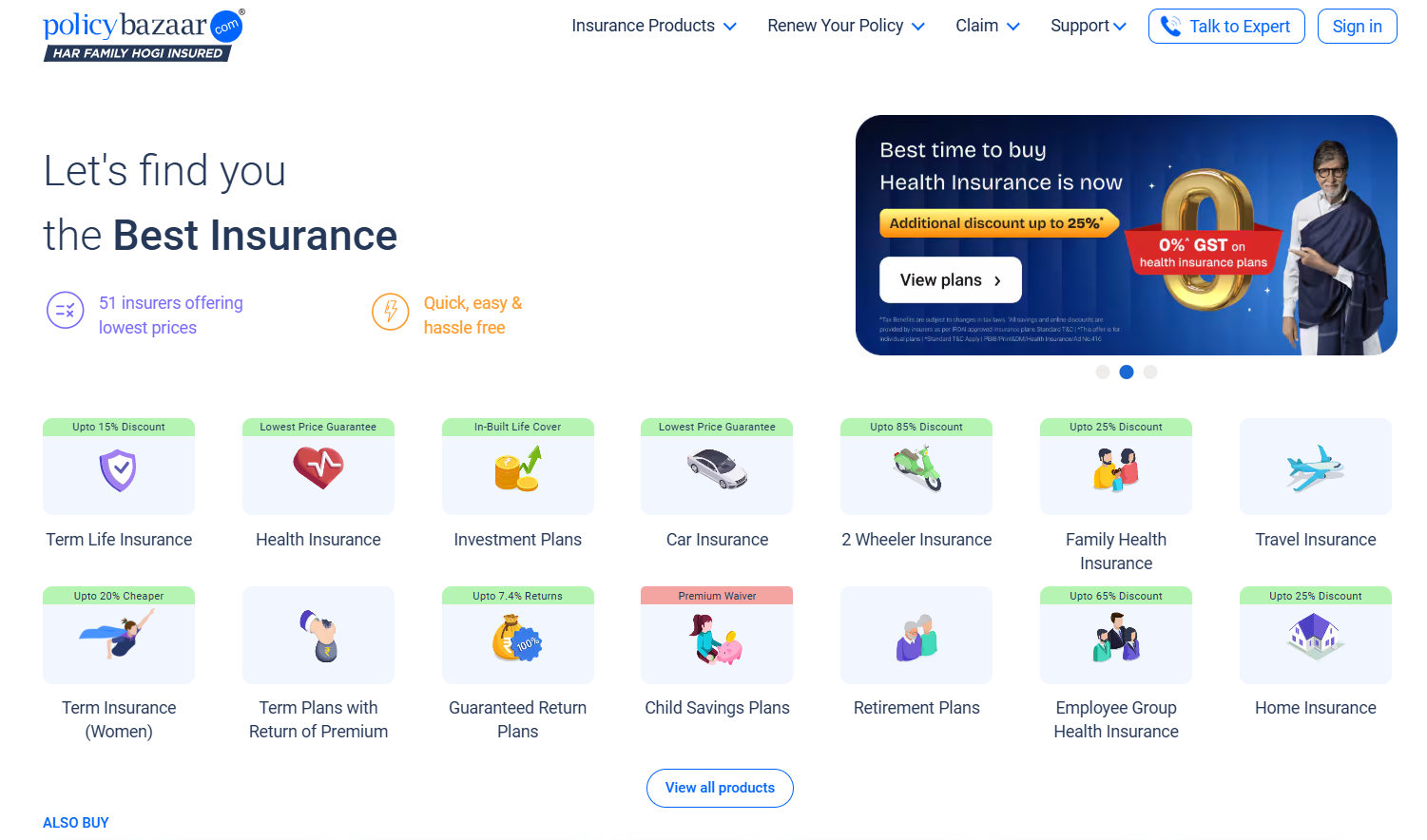
Policybazaar is a strong example because insurance is naturally difficult for many consumers to evaluate. Policies contain technical terms, different levels of coverage, exclusions, premiums, and conditions that are not always easy to compare.
Policybazaar reduces some of this ambiguity through comparison tools, premium information, policy details, and calculators that help consumers examine different products in one place. Now, the important thing is that consumers can compare specific differences instead of trying to decode several policies separately.
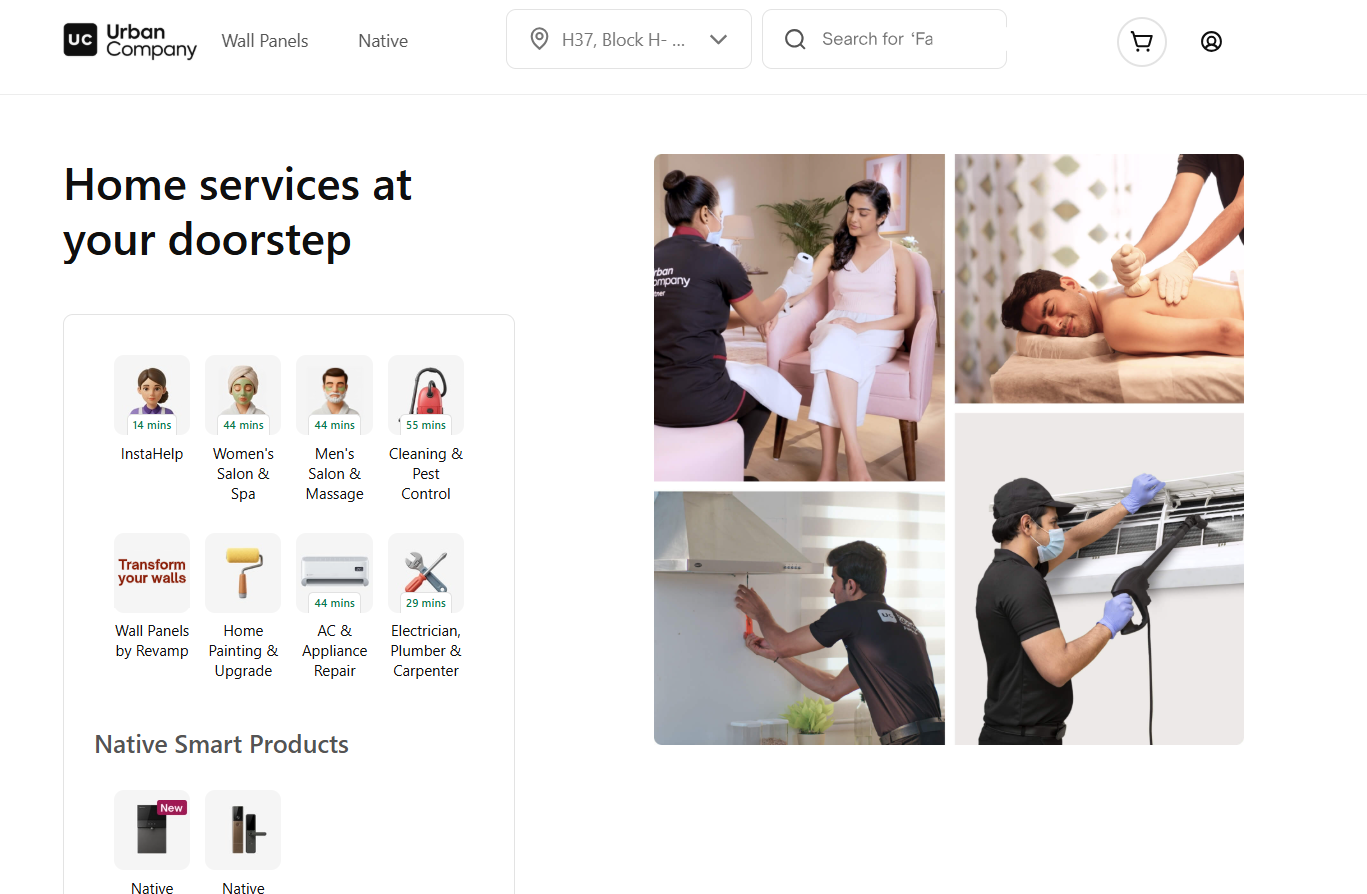
Urban Company deals with another form of ambiguity: uncertainty about a service provider.
Before booking a home service, consumers may wonder who will arrive, how much the service will cost, and whether the quality will match their expectations.
The platform makes variables such as service prices, ratings, reviews, available services, and professional information easier to see before booking. The service itself still contains uncertainty, but the consumer has more information about the decision being made.
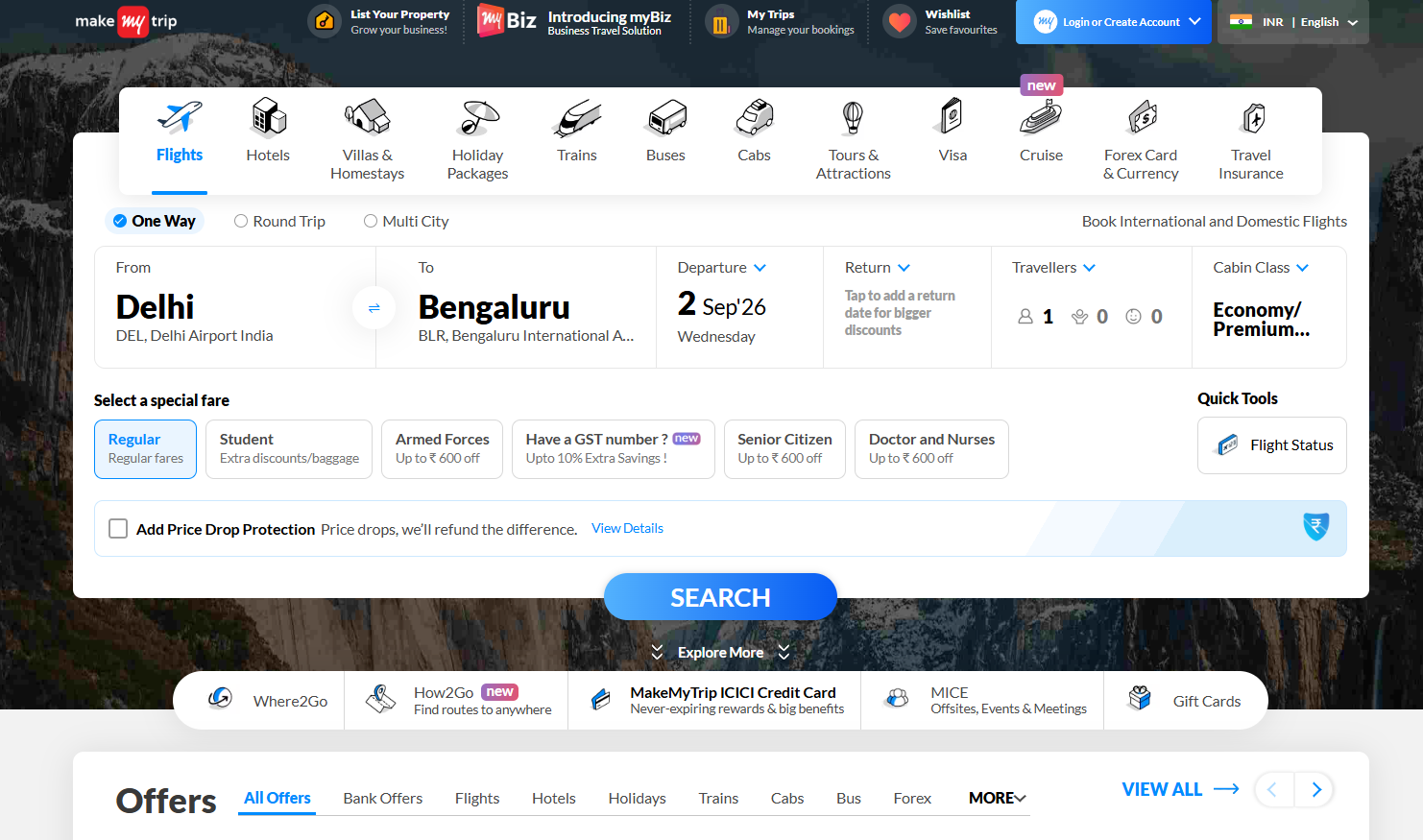
MakeMyTrip reduces ambiguity around travel bookings. A hotel listing can look attractive, but travellers usually want to know the total price, ratings, reviews, room details, and cancellation conditions before paying.
By placing these details within the booking journey, the platform makes the choice more predictable. The consumer is still taking a risk on the actual travel experience, but fewer important questions remain unanswered at the point of purchase.
CarDekho and Zerodha Show Two Different Sides of Ambiguity
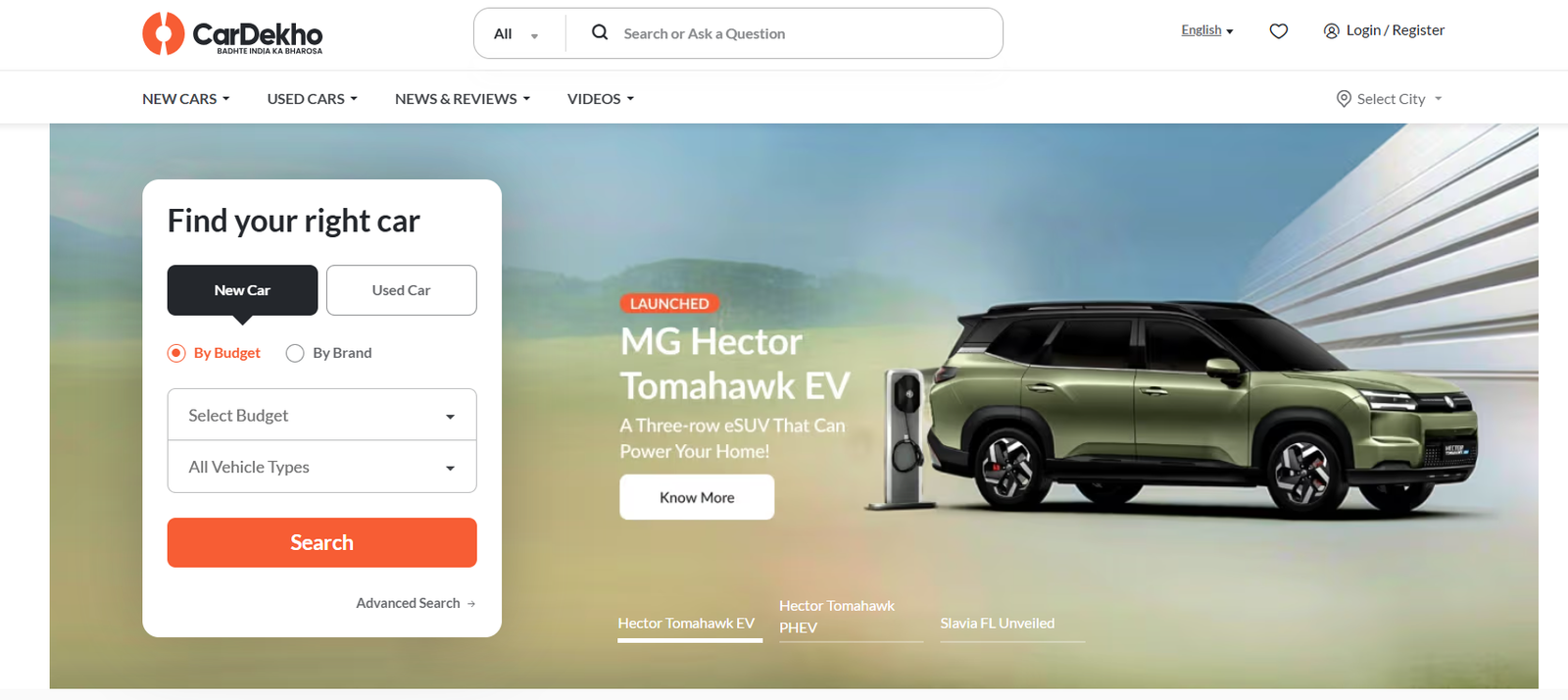
CarDekho operates in a category where the problem is often too many differences rather than too little information. Cars vary across price, specifications, safety features, mileage, features, and variants, making it difficult to understand what actually separates one option from another.
Its comparison tools help place these differences next to each other. That changes the task from remembering information about several cars to directly evaluating the differences between them.
This is an important marketing psychology principle. Consumers do not always need fewer choices. Sometimes they need a better way to understand the choices they already have.
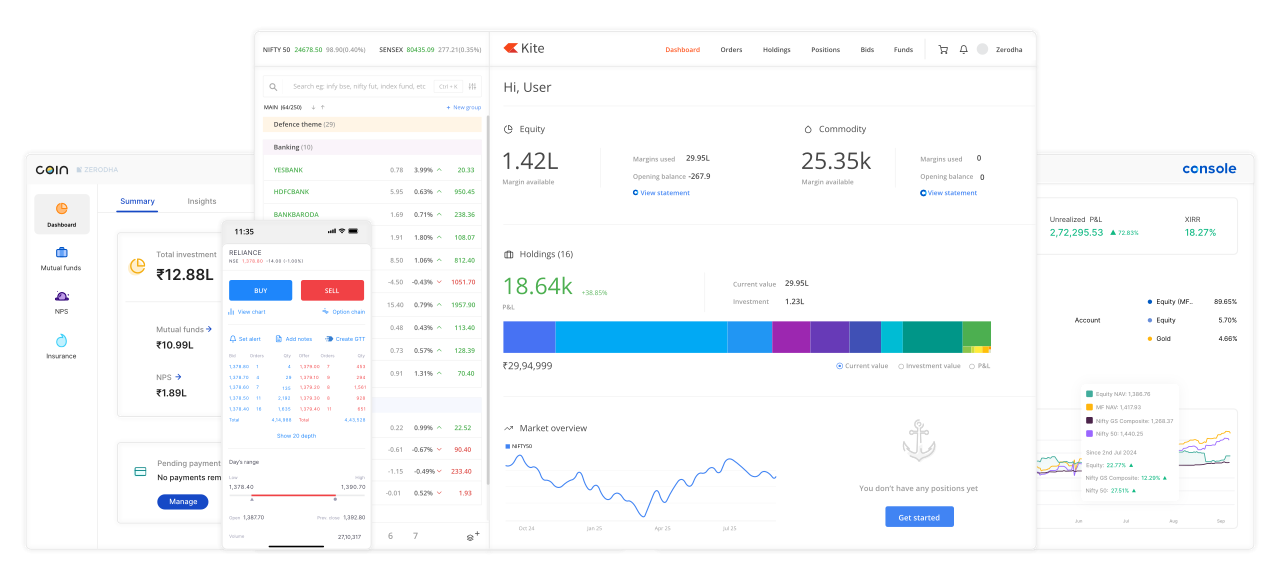
Zerodha provides a different example because financial markets contain genuine uncertainty. No interface can remove the possibility of losses or make market outcomes predictable.
What a platform can do is reduce confusion around the system itself. Zerodha provides visible information about charges and offers educational resources through Varsity covering areas such as market basics, analysis, taxation, and risk management.
That distinction matters. Reducing ambiguity is not the same as reducing risk. Zerodha cannot tell investors what the market will do, but clearer costs and educational material can make the process of investing easier to understand.
The Marketing Psychology Behind Making Uncertainty Easier
These examples show that ambiguity aversion can operate at very different stages of a customer journey.
Policybazaar reduces confusion around complicated financial products. Urban Company makes service quality easier to judge. MakeMyTrip clarifies travel choices. CarDekho structures complex product comparisons. Zerodha makes the mechanics of investing more understandable.
The common factor is not a discount, a slogan, or a promise of a perfect outcome. It is decision clarity.
Consumers are often comfortable with uncertainty when they know what they are uncertain about. The real friction appears when they cannot tell what they are buying, what it will cost, what could change, or what the differences between their options actually mean.
That makes ambiguity aversion particularly useful for marketers because it shifts attention from persuasion to information design.
FAQs
- What is ambiguity aversion?
Ambiguity aversion is the tendency to prefer choices that are clear and understandable over options where important information is vague or unknown.
- How does ambiguity aversion affect buying decisions?
When consumers cannot understand the price, quality, risks, or outcome of a purchase, they may hesitate or choose an option that feels easier to evaluate.
- What is the difference between risk and ambiguity?
Risk involves known possible outcomes, while ambiguity involves uncertainty about what the possible outcomes or their likelihoods actually are.
- Why do consumers prefer clear information?
Clear information reduces the mental effort needed to compare options and helps consumers feel more confident about the decision they are making.