

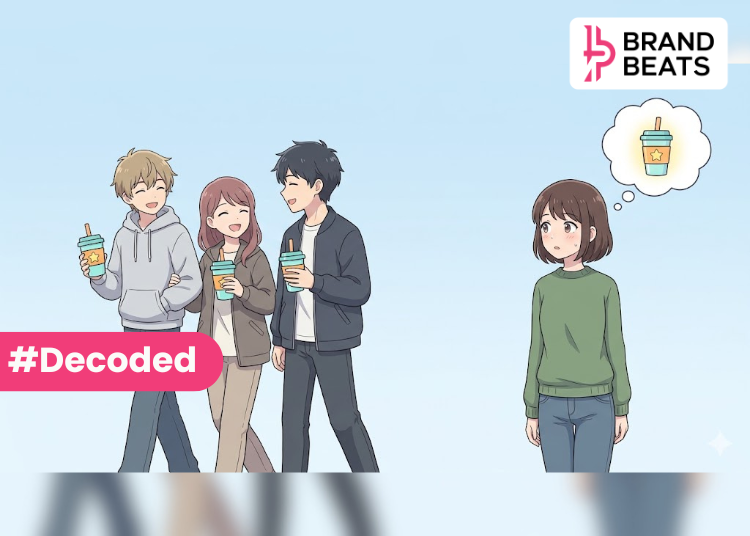
A product usually starts out as just another thing on a shelf. You scroll past it, walk past it, and probably never give it a second thought. Then suddenly it is everywhere. Your friends have it. Influencers are talking about it. Strangers are carrying it. Before long, the question shifts from ‘Do I want this?’ to ‘Wait, why does everyone have this except me?’
That is the bandwagon effect in action.
When something keeps showing up in our world, our brains start treating its prevalence as a clue. If so many people are buying it, there must be a reason, right?
The products that suddenly become impossible to ignore are rarely judged on function alone. Once they start appearing everywhere, they take on a different meaning. What was once just another item becomes a shared reference point, attracting attention simply because so many people are paying attention to it.
What changes when a product goes viral
A normal product solves a problem. A viral product creates a social environment around itself.
At first, people encounter it as a strange object. Then they see it in a reel, in a celebrity post, in a friend’s hand, on a café table, in a gym locker, in a commute video, and suddenly the product starts appearing with repetition. Repetition makes it familiar. Familiarity makes it feel safe. Safety makes it easier to want.
This is not a simple imitation. It is a shortcut the brain uses when it wants to reduce uncertainty. If many people appear to trust something, the product seems less risky. The crowd becomes a filter. ‘The crowd becomes proof.’
That is why some products spread beyond their practical value.
They become visible markers of taste, awareness, and participation.
The bandwagon effect in everyday buying
The bandwagon effect works because people are social evaluators before they are solitary consumers. A person may say they are choosing based on quality, but social context often enters the decision earlier than they admit.
A familiar example is the launch of a new iPhone.
Every year, long before the device reaches stores, speculation, leaks, reviews, and discussions dominate social media and tech news. On launch day, it is not unusual to see people lining up outside stores for hours, sometimes overnight, to be among the first owners.
For many buyers, the appeal is not solely about the upgraded camera, processor, or new features.
The excitement is amplified by the collective attention surrounding the launch. When millions of people are watching the same event, discussing the same product, and sharing their purchases online, the device starts to feel like more than just a phone.
It becomes part of a cultural moment, making it more desirable even to people who were not initially considering an upgrade.
Why do people want the crowd, not just the object?
A product usually starts out as just another thing on a shelf. You scroll past it, walk past it, and probably never give it a second thought. Then suddenly it is everywhere. Your friends have it. Influencers are talking about it. Strangers are carrying it. Before long, the question shifts from ‘Do I want this?’ to ‘Wait, why does everyone have this except me?’
That is the bandwagon effect in action.
When something keeps showing up in our world, our brains start treating its prevalence as a clue. If so many people are buying it, there must be a reason, right?
The products that suddenly become impossible to ignore are rarely judged on function alone. Once they start appearing everywhere, they take on a different meaning. What was once just another item becomes a shared reference point, attracting attention simply because so many people are paying attention to it.
What changes when a product goes viral
A normal product solves a problem. A viral product creates a social environment around itself.
At first, people encounter it as a strange object. Then they see it in a reel, in a celebrity post, in a friend’s hand, on a café table, in a gym locker, in a commute video, and suddenly the product starts appearing with repetition. Repetition makes it familiar. Familiarity makes it feel safe. Safety makes it easier to want.
This is not a simple imitation. It is a shortcut the brain uses when it wants to reduce uncertainty. If many people appear to trust something, the product seems less risky. The crowd becomes a filter. ‘The crowd becomes proof.’
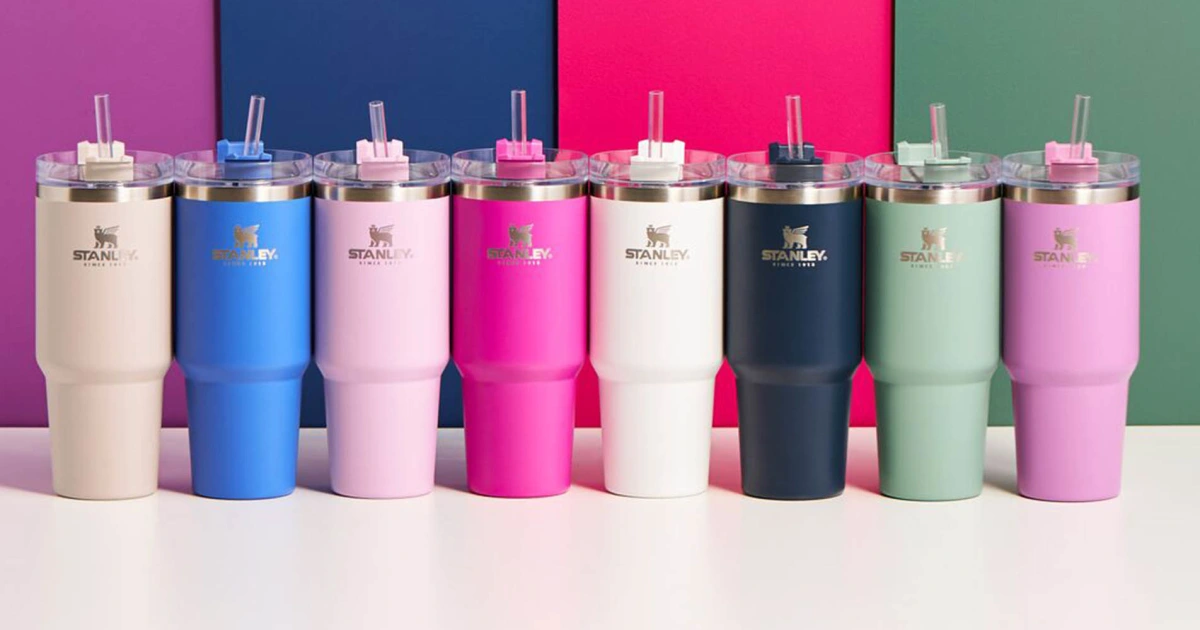
A product like a Stanley Cup or a Labubu does more than perform a function. It creates a visual cue. It tells others something about the person who holds it, posts it, gifts it, or collects it.
The object becomes a social signal.
For some buyers, the appeal is aesthetic. For others, it is about being aligned with a moment. For many, it is the feeling of belonging to a group without saying a word.
Ownership becomes a shorthand for participation.
This matters because people often make purchases to reduce social distance. A trending product can make someone feel closer to friends, coworkers, creators, or an online community. It creates a small but meaningful sense of synchronization.
That is why the desire can feel sudden. It is not only a reaction to the object. It is a reaction to the social world surrounding the object.
The role of identity in trend adoption
When a product becomes popular, people do not all want it for the same reason.
Some want it because they genuinely like the design.
Some want it because they notice how it looks in photos.
Some want it because it helps them feel current.
Some want it because it reflects a group they admire.
Some want it because everyone around them already seems to know why it matters.
This layered motivation is what gives viral products staying power. They are flexible symbols. They can mean convenience, status, playfulness, taste, or membership, depending on who is buying them.
That flexibility makes them more contagious than ordinary products. A trend can move across audiences because each group attaches a different emotional reason to the same object.
Why scarcity and visibility work together
Popularity alone does not always create desire. Visibility combined with limited access does.
When a product is everywhere but still hard to get, it gains a strange status. It looks common in conversation but rare in real life. That tension raises urgency. People do not want to be the last one to notice it, and they also do not want to miss the chance to own it before the wave passes.
This is one reason certain products become symbols rather than tools. Their appeal is built on contrast. They are familiar enough to recognize instantly, but exclusive enough to feel current.
That combination keeps attention active. It makes people scan their feeds, compare what others have, and rethink their own preferences.
Why do some products become status objects so quickly
A product becomes a status object when it stops being evaluated mainly for what it does and starts being read for what it says.
This usually happens when the object is easy to display, easy to recognize, and easy to repeat in social spaces. A water bottle, a collectible character, a bag charm, a sneaker, or a limited-release item can all fall into this category.
Once that happens, the product gains a second life.
It can still function as before, but now it also works as a public signal.
That second life is often more powerful than the first. People may buy it even when they already own something similar, because the new version carries social relevance that the old one does not.
This is why the market around trend-driven products can feel less like a product market and more like a language economy.
People are buying signs as much as they are buying objects.
The emotional logic of joining late
There is also a psychological tension in being late to a trend. Some people resist at first. Then they observe the trend becoming unavoidable. At that point, rejecting the product may start to feel less like independence and more like exclusion.
Joining late can actually intensify the desire.
By the time a person gives in, the product may already feel culturally established. Buying it becomes a way to stop feeling outside the conversation. This is not always rational, but it is highly human. People do not like watching everyone else share a reference they cannot enter.
A purchase can quickly repair that feeling.
That repair is often what drives the final decision.
BrandBeats Take’s
Viral products show that buying is rarely a silent transaction. It is shaped by visibility, imitation, status, memory, and timing. They reveal that people often want confirmation before commitment.
They reveal that popularity can serve as a shortcut to trust.
They reveal that the meaning of a product can change once it becomes part of a public story.
Most importantly, they show that desire is social. It moves through people, not just through advertisements or product pages.
Every viral product follows a familiar arc. It begins with curiosity, then gets repeated, then becomes recognized, then starts to feel necessary. The object matters. But the crowd around it matters more than most brands like to admit.