


BlackBerry was once the phone that made mobile communication feel urgent, private, and powerful. At its peak, it had 85 million global subscribers in 2011, and in September 2010, it controlled 37% of the American smartphone market. By February 2016, that share had fallen to 0.8%. The collapse was not because BlackBerry had no value. It was because the market changed faster than the company could.
BlackBerry’s story did not begin with a smartphone. It began with a pager. Founded in 1984 as Research In Motion (RIM), the company spent years building wireless communication technologies before launching the BlackBerry 850 in 1999.
The device was a two-way pager capable of delivering push emails in real time, a revolutionary feature at a time when mobile internet was still in its infancy. For executives, bankers, lawyers, and journalists, it transformed communication from something that happened at a desk into something that happened everywhere.
This single innovation would become the foundation of BlackBerry’s rise.
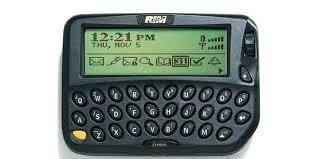
The device was soon followed by BlackBerry 957, the first model marketed explicitly as a smartphone, and the BlackBerry Enterprise Server became the invisible infrastructure that made BlackBerry secure and trusted inside companies.
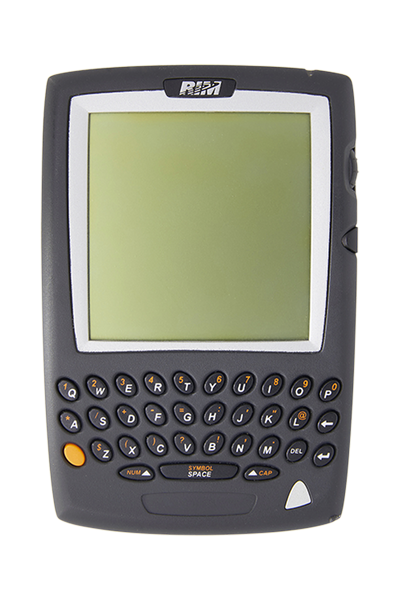
The name itself was part of the brand story. The keyboard keys looked like the fruit, and the compact design gave the device a look that felt different from the larger, more generic phones of the era.
That physical identity mattered. BlackBerry looked and behaved like a serious tool.
Why BlackBerry became a craze
BlackBerry succeeded because it solved a real problem before anyone else did.
It made email mobile.
It made messaging fast.
It made communication feel continuous.
The physical QWERTY keyboard was a huge part of the appeal because it enabled fast thumb typing in a way that touchscreens of that time could not match. The device also offered end-to-end encryption, remote wipe, and strong enterprise controls, making it the default choice for governments and large organizations.
BBM, launched in 2005, pushed the craze further.
It added read receipts, PIN-based identity, and the ping feature, which made messages feel more immediate and personal. For many users, BBM was not just an app. It was a social circle. People checked it constantly, partly for utility and partly because it had its own social code.

That is where the ‘CrackBerry’ nickname came from. The device was addictive because it created a habit loop around work and conversation.
BlackBerry also had unusually good battery life, practical one-handed navigation, and a product design that favored speed over entertainment. It was built for communication first, not for media consumption. That distinction mattered in the early smartphone era.
The iconic BlackBerry phones
The BlackBerry Pearl 8100, launched in 2006, helped move the brand from a pure enterprise device into the consumer mainstream. It added a camera and multimedia features, making BlackBerry feel more approachable.
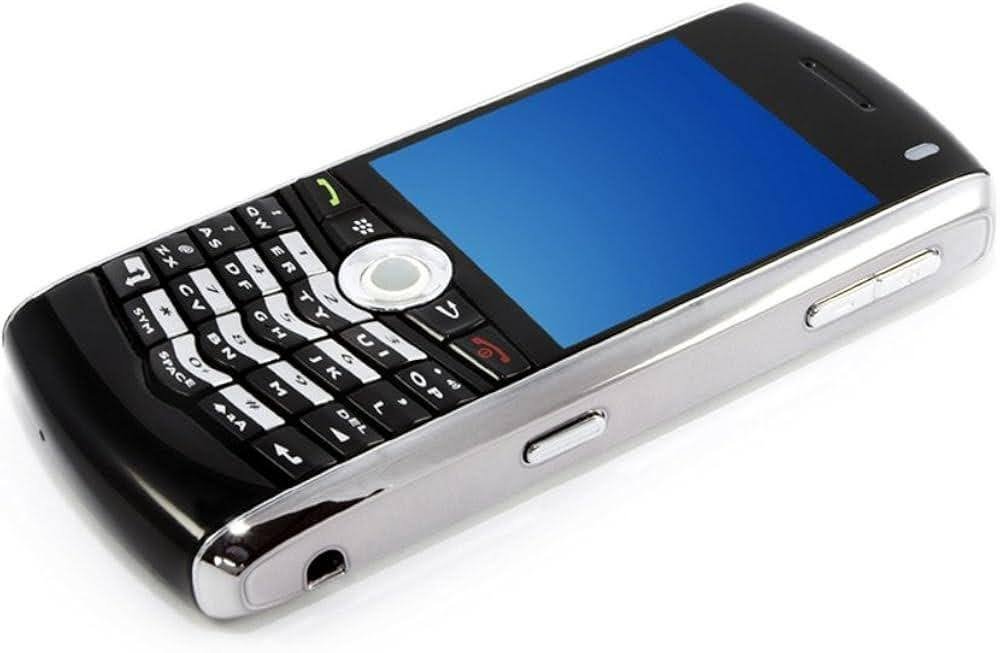
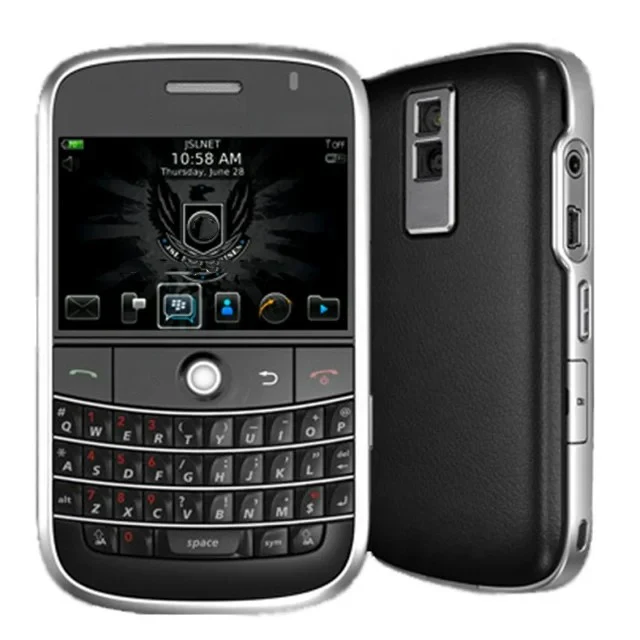
The Curve series then broadened the audience with a cheaper, more accessible form factor. The Bold 9000 became the premium executive model, thicker and more powerful, and for many users it represented peak BlackBerry prestige.
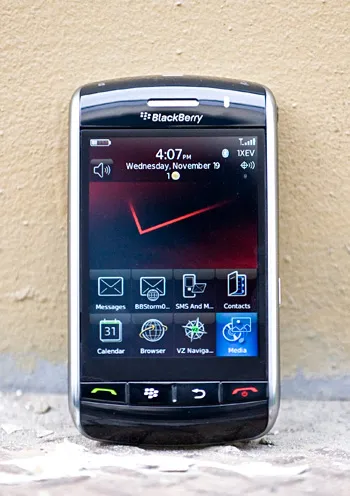
The BlackBerry Storm was the company’s first major touchscreen response to the iPhone. It did not work well enough to change the story. Its click-style touch system received poor feedback and exposed how difficult it was for BlackBerry to move away from the keyboard-led identity that had made it famous.
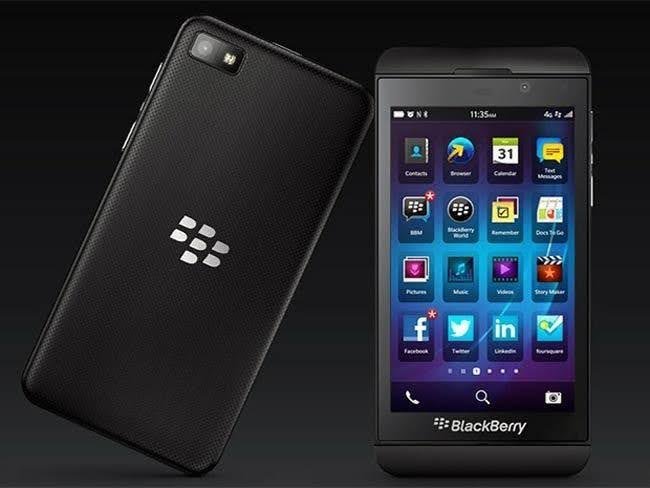
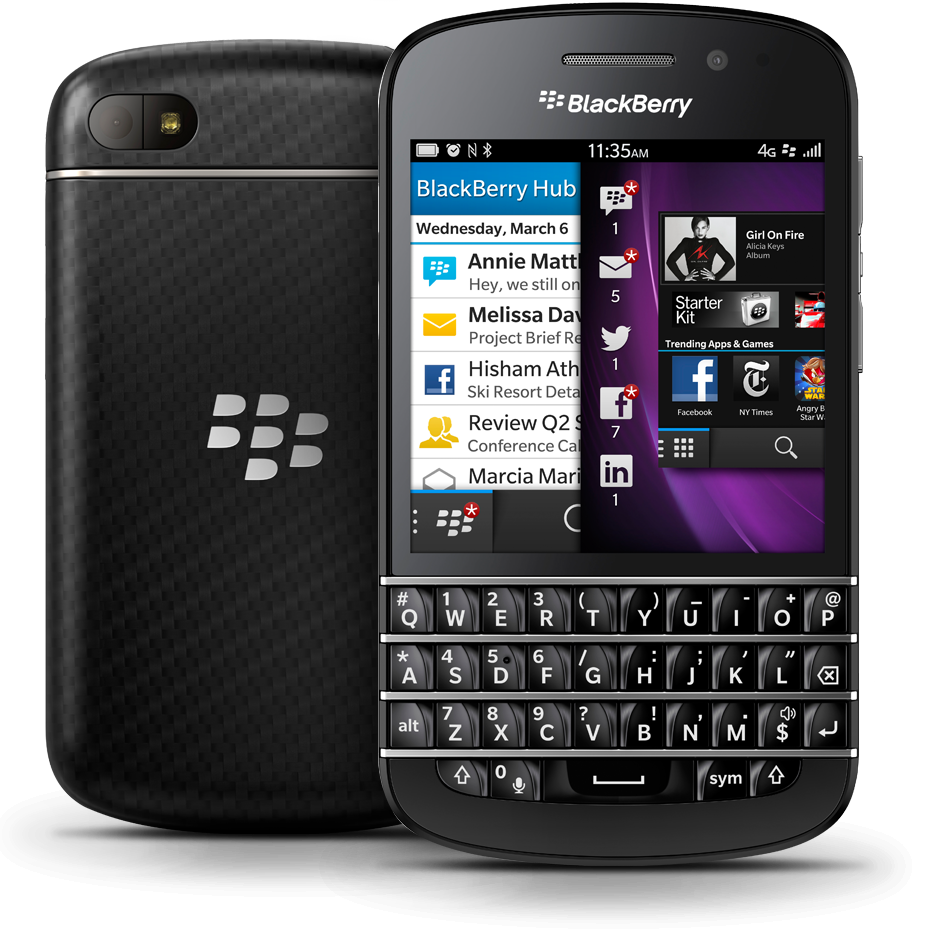
Later, the Z10 and Q10 were BlackBerry’s biggest effort to reset the business with BlackBerry 10. The Q10 kept the keyboard. The Z10 went fully touch-based. Both were technically impressive, but they arrived after the market had already settled around the iPhone and Android ecosystems. By then, the problem was no longer just hardware. It was the app gap.
BlackBerry in India
India was one of the most important markets in BlackBerry’s global story. Reuters reported that BlackBerry was one of RIM’s few growing markets in 2012, that the Curve 8520 was its best-selling phone in India. The BlackBerry held about 15% of the Indian smartphone market in 2011 before falling sharply in the next year.
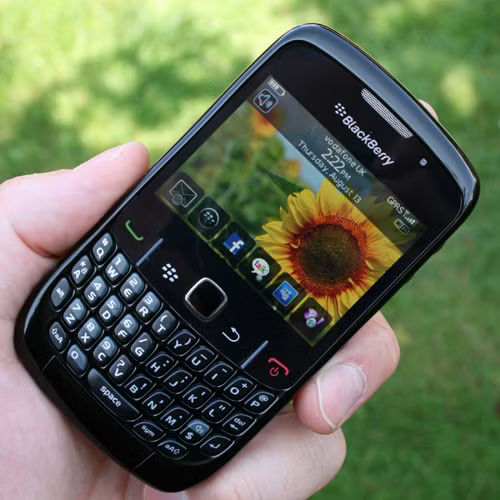
That is a strong sign of how deep the brand had gone in India.
In India, BlackBerry appealed to two groups at once. First were business users, who valued email, security, and constant connectivity. Then came younger consumers, especially on college campuses and in urban circles, who treated BBM PIN exchanges as a kind of digital social currency.
In cities like Mumbai and Delhi, the phone was not only a work device. It was also a signal that the owner was serious, connected, and ahead of the curve.
That is why BlackBerry had an outsized emotional footprint in India. It fit a moment when smartphones were still aspirational, mobile data was becoming essential, and messaging identities were starting to matter as much as call quality.
In that environment, BlackBerry was not just a handset. It was a small status machine.
How the market changed
The BlackBerry market itself changed from a business centered on secure communication to one driven by apps, touchscreens, and ecosystem depth. That shift hurt BlackBerry more than it hurt rivals because BlackBerry had built its advantage around a specific use case. Once consumers started choosing phones for app availability, camera quality, screen size, and entertainment, BlackBerry’s old strengths no longer carried the same weight.
Apple’s App Store and the Android ecosystem changed the rules.
BlackBerry’s developer base was smaller, its app catalog lagged, and the most important consumer apps arrived elsewhere first. By the launch of BlackBerry 10, the platform had about 70,000 apps, while competitors had far more. That gap mattered because the smartphone had become a software platform, not just a communications device.
Why BlackBerry fell
BlackBerry did not collapse because one product failed. It fell because several problems stacked on top of one another.
The first problem was timing. The company saw the iPhone as a threat, but it underestimated how quickly consumers would move toward touch screens and app ecosystems. Even when it knew the market was shifting, BlackBerry moved slowly.
The second problem was the PlayBook. The tablet launched without a native email client, which was a strange miss for a BlackBerry product, and it forced a $485 million write-down. That damaged confidence and drained momentum.
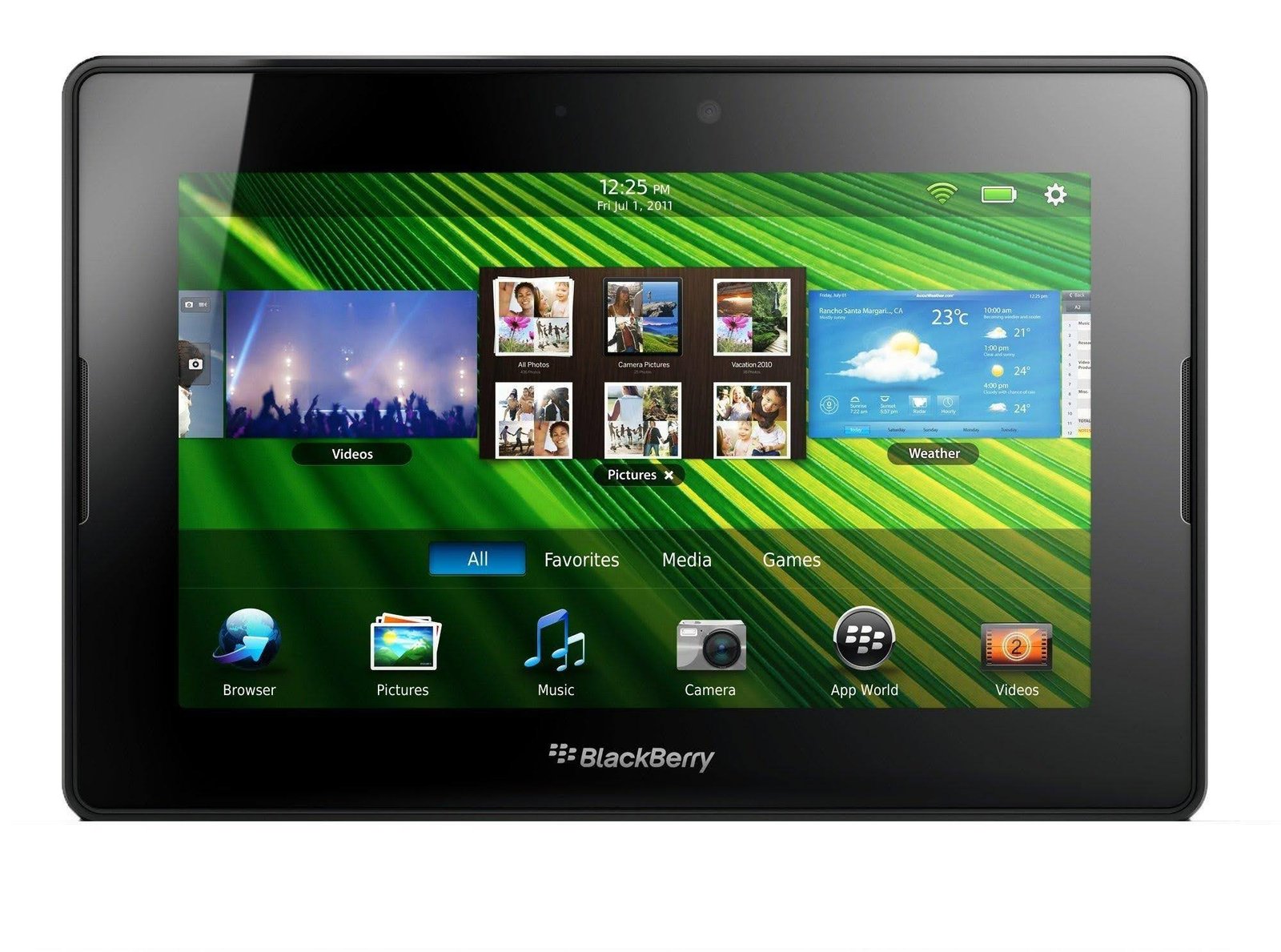
The third problem was BB10. It was a serious attempt to rebuild the platform, but it came too late and with too little app support. Good software does not rescue a platform if the ecosystem is already elsewhere.
The fourth problem was BBM itself. BlackBerry had 150 million active BBM users, but it failed to turn that network into a broader platform business before competitors took over mobile messaging. By the time BBM reached other operating systems, the market had already moved on.
Did BlackBerry file or shut down
BlackBerry did not disappear in the sense of a complete corporate collapse. What shut down was the handset era. In 2016, BlackBerry stopped designing its own devices. In January 2022, it ended legacy services such as email, BBM, BlackBerry World, Protect, and Voice Search for old devices.
That marked the formal end of the classic BlackBerry phone business.
The company itself survived by changing direction. Under John Chen, BlackBerry shifted into software, cybersecurity, and QNX. The story is therefore not a simple bankruptcy tale. It is a strategic retreat from consumer hardware into a narrower, more defensible business.
Today, BlackBerry is better understood as a software and security company than a phone maker. Its QNX software is used in vehicles, and its enterprise security tools remain relevant in regulated environments.
FAQs
- Why was BlackBerry so popular?
BlackBerry combined mobile email, BBM, strong security, and a physical keyboard, making it a favorite among professionals and consumers alike.
- What was BBM on BlackBerry?
BlackBerry BBM (BlackBerry Messenger) was a messaging service known for PIN-based chats, read receipts, and real-time communication.
- Why did BlackBerry fail?
BlackBerry struggled to adapt to the shift toward touchscreen smartphones, app ecosystems, and changing consumer preferences.
- Does BlackBerry still exist today?
Yes. BlackBerry now operates as a software, cybersecurity, and automotive technology company.
- What was BlackBerry’s most popular phone?
The BlackBerry Curve series (particularly the Curve 8520 and 8500) was among the brand’s most popular devices globally and in India.