
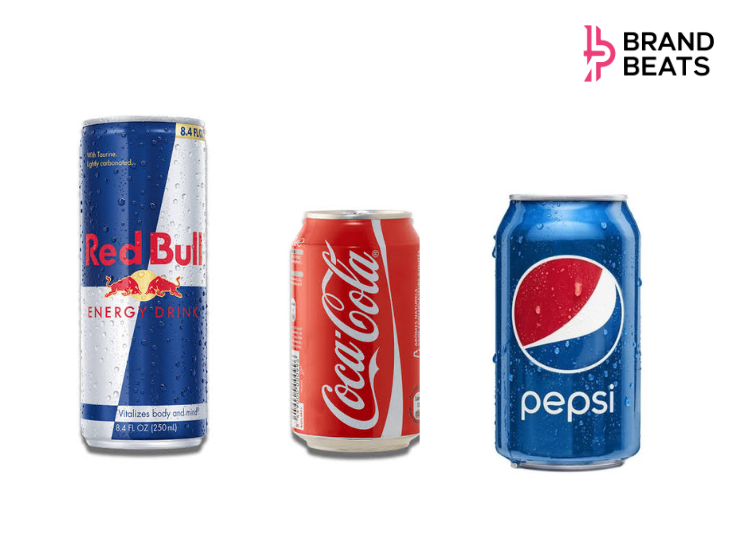
Major beverage companies including The Coca-Cola Company, PepsiCo, Red Bull, and Keurig Dr Pepper are rolling out QR codes on product packaging across the United States, giving consumers direct access to detailed ingredient information as demand for transparency around food and beverage products continues to grow.
The initiative is being led by the American Beverage Association (ABA) and will direct consumers to GoodToKnowFacts.org, a website that provides information on more than 140 ingredients commonly found in packaged beverages. The platform explains what each ingredient does, where else it is used, and whether it has been reviewed by regulators such as the U.S. Food and Drug Administration (FDA), the European Food Safety Authority, and Health Canada.
According to reports, PepsiCo has already linked its beverage QR codes to the platform, while Coca-Cola is expected to complete its rollout this month. Keurig Dr Pepper plans to introduce the feature later this year. Other participating brands include Celsius, Monster Energy, and Polar Beverages.
The move comes as consumers increasingly seek more information about what goes into the products they consume. A recent survey cited by NBC News found that six in ten consumers consider ingredients when choosing beverages, while nutrition-scanning apps such as Yuka, Zoe, and Bobby Approved have gained popularity among shoppers looking for additional product insights.
Kevin Keane, President and CEO of the American Beverage Association, said consumers want greater transparency and confidence in the safety of the foods and beverages they purchase. The industry says the new QR code system is designed to make ingredient information more accessible without overcrowding product packaging.
While the website provides detailed information about individual ingredients, it does not display the complete ingredient breakdown for specific products. Consumers will still need to refer to packaging labels to understand the exact composition of a particular beverage.
The rollout arrives amid growing scrutiny of food ingredients in the United States and increasing pressure on manufacturers to provide clearer information about additives, sweeteners, and nutritional content. As consumers become more health-conscious and digital-first in their purchasing decisions, QR codes are emerging as a new touchpoint between brands and buyers.