

The first thing most people remember about Dettol isn’t its logo. It isn’t an advertisement, a celebrity, or even the iconic amber bottle. It’s the smell.
For generations of Indians, that sharp antiseptic scent has been woven into everyday life. It lingered on scraped knees after an evening of cricket, filled buckets of water before homes were mopped during festivals, and accompanied every careful attempt by a parent to clean a child’s wound. It was rarely pleasant, yet it brought comfort. Somewhere along the way, that unmistakable smell stopped being associated with medicine and became associated with care.
Very few brands earn that kind of emotional connection. Fewer still become so deeply embedded in daily life that their name becomes shorthand for an entire category. Today, consumers often ask for “Dettol” even when they simply mean an antiseptic or disinfectant.
But none of this happened overnight.
Behind the familiar brown bottle lies a story of scientific innovation, strategic branding, unwavering consistency, and decades of consumer trust. Dettol’s journey isn’t just about selling antiseptic liquid; it’s about changing how millions of people think about hygiene.
Born Out of a Medical Crisis
Dettol wasn’t created in a boardroom searching for the next consumer product. It was born out of a public health challenge.
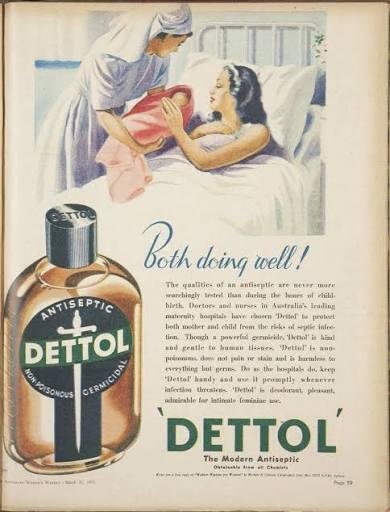
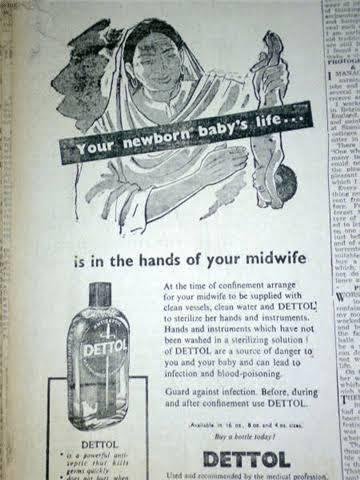
In the early twentieth century, infections during childbirth remained one of the leading causes of maternal deaths across hospitals. Doctors desperately needed an antiseptic that was powerful enough to kill harmful bacteria while remaining safe for use on human skin. Existing disinfectants often came with significant limitations, making them unsuitable for routine medical care.
Recognising this need, Reckitt developed Dettol in 1933. Initially introduced as an antiseptic solution for hospitals and healthcare professionals, the product quickly demonstrated its effectiveness. Clinical trials at Queen Charlotte’s Hospital in London showed remarkable reductions in puerperal sepsis, one of the most dangerous infections affecting mothers after childbirth. For healthcare professionals, Dettol wasn’t simply another disinfectant, it represented a meaningful advancement in infection control.
Its early success gave the brand something advertising could never buy: medical credibility.
Long before consumers encountered Dettol in supermarkets, doctors and nurses had already trusted it inside hospital wards.
That distinction would shape the brand’s future.
From Hospital Shelves to Household Cabinets
Many medical products remain confined to hospitals. Dettol did not.
As healthcare awareness expanded during the mid-twentieth century, Reckitt recognised an opportunity to take professional-grade hygiene into ordinary homes. The company wasn’t merely introducing another cleaning product; it was introducing a preventive mindset.
Instead of waiting for illness, families could actively protect themselves.
This simple shift transformed Dettol from a clinical antiseptic into a household essential.
Its expansion into countries like India proved particularly significant. While traditional remedies such as turmeric, neem, and herbal treatments had long played a role in wound care and hygiene, urbanisation, modern healthcare, and growing trust in scientifically developed products created space for a brand like Dettol.
Rather than positioning itself against traditional practices, Dettol established itself alongside modern medicine. Doctors recommended it, hospitals used it, and families gradually adopted it into their daily routines.
Trust transferred from healthcare institutions directly into households.
A Tagline That Built Trust
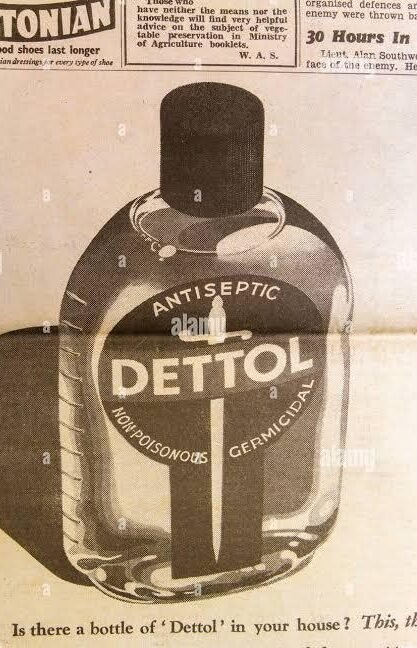
Dettol’s long-standing tagline, “Be 100% Sure,” reflects the brand’s promise of complete protection rather than just cleanliness. Its advertisements have consistently focused on relatable family moments caring for a child’s wound, encouraging handwashing, or protecting loved ones from germs, instead of relying on glamour or celebrity endorsements. Even during the COVID-19 pandemic, Dettol stayed true to its core message of trust, care, and prevention, reinforcing its position as a dependable household brand across generations.
Selling Reassurance, Not Just Hygiene
Perhaps Dettol’s greatest marketing achievement is that it never positioned itself as an ordinary FMCG brand.
Most consumer brands compete by promising better fragrance, superior design, affordability, or convenience. Dettol rarely entered those conversations.
Instead, it focused on something far more powerful: reassurance.
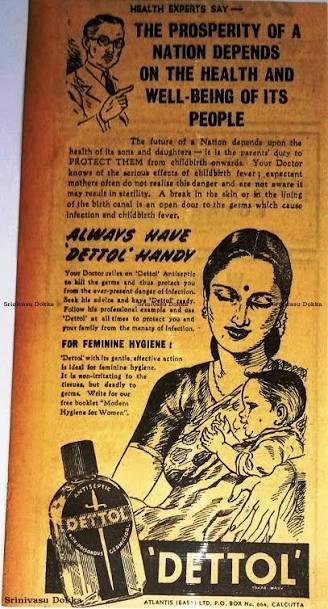
Its advertising consistently centred around families, children, mothers, caregivers, and everyday moments where protection mattered most. Cuts, bruises, seasonal illnesses, cleaning routines, and handwashing became opportunities to reinforce one central message—that protecting loved ones begins with simple everyday habits.
Rather than relying on fear alone, Dettol balanced concern with responsibility.
The brand wasn’t telling consumers they were unsafe. It was reminding them that small preventive actions could make a meaningful difference. This positioning proved remarkably durable because protection is an emotion that never goes out of demand. Whether during flu seasons, monsoons, or global health crises, the brand remained relevant without constantly reinventing itself.
The Smell That Became a Brand Asset
One of Dettol’s most fascinating branding lessons lies in something many companies would consider a weakness. Its smell.
Unlike soaps or personal care products that compete through pleasant fragrances, Dettol has always carried a strong medicinal scent.
From a product development perspective, masking that smell might have appeared logical.
Instead, the brand embraced it.
Over decades, consumers began associating that distinctive aroma with cleanliness, safety, and effectiveness. It became a sensory cue that reinforced trust long before anyone read the label.
Behavioural psychologists often describe how repeated sensory experiences strengthen brand memory. Dettol became a textbook example.
The smell itself evolved into a distinctive brand asset. Even today, many consumers instinctively believe a surface has been properly disinfected only when it smells like Dettol.
Very few brands have managed to convert a functional characteristic into an emotional reassurance system.
Expanding Without Losing Its Identity
Many successful brands struggle when expanding into new categories.
Consumers often become confused when a company suddenly begins selling products unrelated to its original promise.
Dettol avoided this trap through disciplined brand architecture.
Instead of chasing unrelated opportunities, every new product remained connected to one overarching mission: protection. The antiseptic liquid was followed by soaps, handwashes, sanitisers, surface disinfectants, floor cleaners, wipes, and personal hygiene solutions.
Although the formats changed, the brand promise remained unchanged. Whether consumers purchased a handwash or a disinfectant spray, they weren’t buying different products.
They were buying the same feeling of safety in different forms. This clarity helped Dettol extend across categories without weakening consumer trust.
When the World Rediscovered Hygiene
Few events have influenced consumer behaviour as dramatically as the COVID-19 pandemic.
Almost overnight, conversations around sanitisation, hand hygiene, and surface cleaning became central to everyday life. Demand for hygiene products surged globally.
For many brands, the pandemic created an opportunity. For Dettol, it reinforced decades of positioning.
The company didn’t need to convince consumers that hygiene mattered. It had been delivering that message for generations. While newer brands entered the sanitiser market during the pandemic, Dettol benefited from something they couldn’t replicate overnight, credibility built over nearly ninety years.
Consumers weren’t simply purchasing availability. They were purchasing familiarity.
In uncertain times, trust becomes one of the strongest competitive advantages a brand can possess. Dettol demonstrated exactly why.
Nearly a century after it first appeared inside hospital wards, Dettol continues to occupy a unique place in millions of homes.
Its story isn’t simply about product innovation or successful advertising. It is about earning trust slowly, protecting that trust consistently, and allowing generations of consumers to experience the brand in moments that mattered most.
While many brands chase attention through constant reinvention, Dettol reminds marketers that consistency can be just as powerful as creativity. It shows that emotional equity is often built through ordinary moments repeated over decades rather than extraordinary campaigns that dominate headlines for a week.
Today, the familiar amber bottle remains more than a disinfectant. It represents a promise that has survived changing markets, new competitors, and evolving consumer habits: when protection matters, trust matters even more.
And that may be Dettol’s greatest competitive advantage of all.
FAQs
1. Why is Dettol considered one of the most trusted brands in India?
Dettol has built consumer trust over decades by consistently positioning itself around hygiene, protection, and medical credibility. Its association with hospitals, doctors, and everyday family care has helped it become one of India’s most trusted household brands.
2. Who owns the Dettol brand?
Dettol is owned by Reckitt, the British multinational consumer health and hygiene company. The brand was first introduced in 1933 and is now sold in more than 120 countries.
3. What is Dettol’s marketing strategy?
Dettol’s marketing strategy focuses on trust, prevention, and family protection rather than product features alone. Through consistent messaging, educational campaigns, and emotionally driven advertisements, the brand has established itself as a symbol of hygiene and safety.
4. What is Dettol’s famous tagline?
One of Dettol’s most well-known taglines is “Be 100% Sure.” The tagline reinforces the brand’s promise of reliable protection against germs and reflects its long-standing positioning around trust and confidence.
5. What can marketers learn from Dettol’s success?
Dettol demonstrates the power of consistent brand positioning, medical credibility, distinctive brand assets, and disciplined brand extension. Its ability to build emotional trust over generations shows that long-term consistency can create stronger brand equity than constantly changing marketing trends.