
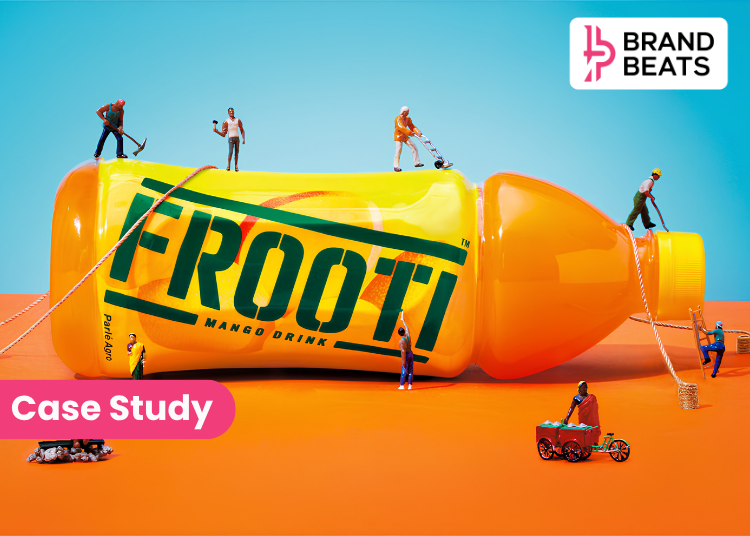
Frooti’s story is not just about selling a mango drink. It is about finding new reasons for people to keep caring about it.
Launched by Parle Agro in 1985, Frooti entered the Indian market in Tetra Pak packaging, making a mango drink portable, convenient, and easy to consume. What started as a packaged alternative to seasonal mango consumption eventually grew into a brand that kept reinventing how mango could show up in popular culture.
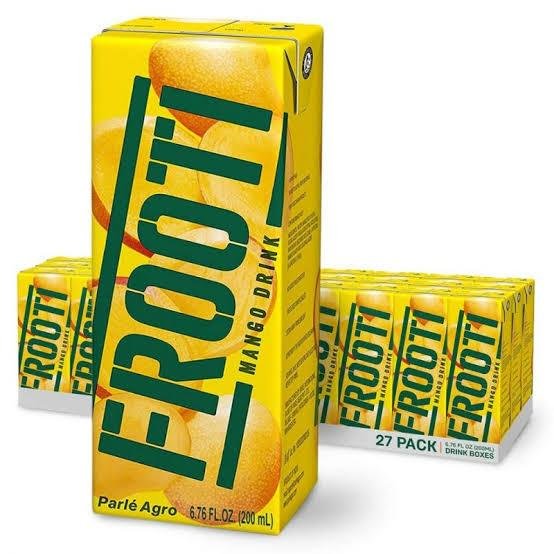
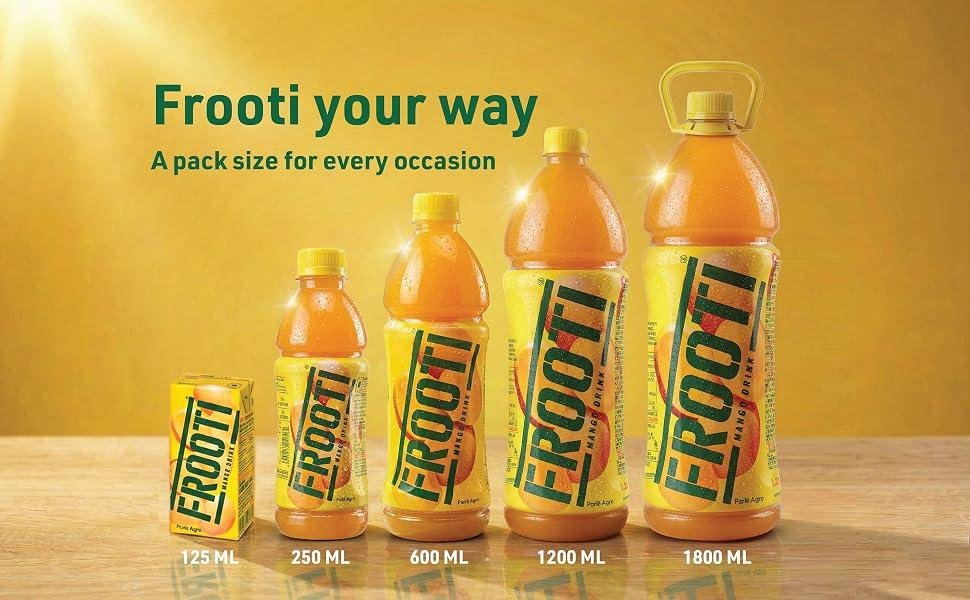
Parle Agro later expanded Frooti into PET bottles and multiple pack sizes, making the brand fit into more everyday occasions.
But there was a catch. While consumers remembered Frooti, many increasingly remembered it as the drink they had grown up with. That became the bigger marketing challenge: how do you make a familiar childhood favourite feel relevant to the same consumers as they grow older?
Frooti’s answer came through a series of distinct marketing moves, from packaging and curiosity-led campaigns to youth repositioning, and product extensions.
Frooti Did More Than Sell Mango. It Made Mango Easier To Drink
When Frooti launched, its biggest marketing advantage was not a clever tagline or celebrity endorsement. It was the product itself.
Frooti was introduced in Tetra Pak, making a mango drink portable, shelf-stable, and easy to consume without the preparation or serving involved with fresh mango juice. Parle Agro credits Frooti as the first drink in India to be introduced in Tetra Pak and says the brand later pioneered PET bottles and other packaging formats.
This was important because mango was traditionally tied to the fruit season. Frooti changed that relationship by turning mango into a ready-to-drink product that could be consumed throughout the year.
Packaging gradually became part of the brand’s identity rather than simply something that held the drink. Different pack formats also allowed Frooti to fit into different consumption occasions, from an individual drink to larger group purchases.
When Frooti Looked Too Much Like A Kids’ Brand, It Made People Curious
By 2000, Frooti had already built a strong presence in the Tetra Pak fruit-drink market.
But competition was increasing, sales had weakened and the brand had another problem: it was increasingly seen as a children’s drink. Teenagers were moving towards brands such as Pepsi and Coca-Cola, leaving Frooti with a perception problem.
Instead of responding with another straightforward product advertisement, Parle Agro created one of the more unusual campaigns of its time.
In 2001, the brand introduced Digen Verma, a fictional and faceless personality. Posters and messages appeared across public spaces, colleges, cinemas, and other youth-focused environments, creating curiosity around a person most people had never heard of. Crucially, Frooti was not immediately revealed as the brand behind the mystery.
The campaign worked because it created a conversation before it created a product pitch. Consumers first wanted to know who Digen Verma was. The eventual reveal connected the character back to Frooti, alongside a packaging change and the “Just Like That” positioning.
The campaign became a major talking point and, according to the contemporary case study cited in the original material, sales were already up by almost 30% after the campaign spend.
‘Why Grow Up?’ Gave Frooti A Way To Grow Without Growing Serious
The Digen Verma campaign helped Frooti address its youth perception, but the brand needed something bigger than a one-off campaign. It needed a territory that could last.
That came with “Why Grow Up?”
Instead of fighting its childhood image, Frooti flipped it. The idea was that growing older does not mean leaving behind the playful, spontaneous side of yourself. Frooti could embrace that side rather than distancing itself from its past.
The shift allowed the brand to move beyond functional mango messaging and talk about attitude, fun, and entertainment. More importantly, it gave Frooti a way to speak to teenagers and young adults without pretending to be a completely different product.
In 2015, the brand pushed that transformation further through a major visual refresh.
Frooti introduced a new logo designed by Pentagram, brighter colours and a visual universe filled with oversized mangoes and Frooti packs. The new identity was designed to work across television, social media, web, games and print.
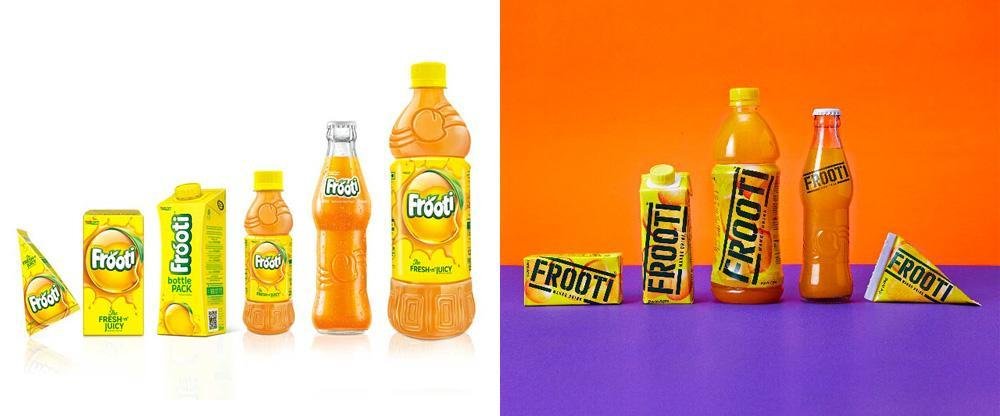
The change was more than cosmetic. Frooti was making the product itself look younger. The brand was increasingly looking beyond traditional school associations towards colleges, music festivals, multiplexes and young working consumers.
From A Mango Drink To A Mango Universe
Once Frooti had established a more distinctive personality, its marketing began to operate less like a collection of individual campaigns and more like a recognisable brand world.
Celebrities became one part of that system. Shah Rukh Khan appeared in Frooti communication around 2013, while later campaigns brought in younger Bollywood and regional stars.
At the same time, the brand moved beyond traditional television advertising.
Its 2015 refresh extended into social media, games, web experiences and branded content, while its campaigns continued using humour, exaggerated visuals and playful situations to make Frooti recognisable even before the product was clearly shown.
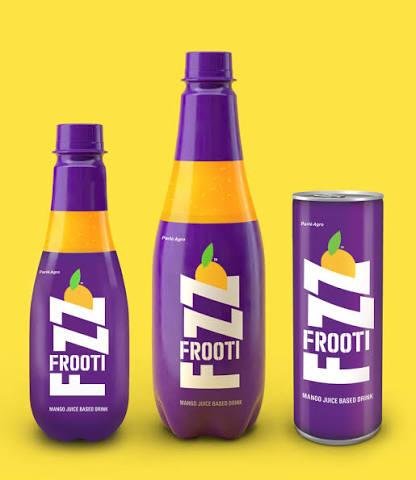
Frooti also took its brand beyond advertising and into product innovation. In 2017, Parle Agro launched Frooti Fizz, the first extension of the Frooti brand, combining its familiar mango proposition with carbonation. The move allowed Frooti to enter the fruit-plus-fizz space while targeting consumers looking for an alternative to conventional soft drinks.
That evolution has continued. In 2024, Frooti launched campaigns featuring Alia Bhatt around the idea that ‘To Much Fun.’ The thought stayed consistent with the larger direction Frooti had been building: the brand may have started with mango, but its marketing increasingly became about how people choose to enjoy it.
Frooti’s strongest asset became its ability to build a recognisable world around a simple product and keep refreshing that world for new audiences.
BrandBeats’ Desk
Frooti’s success comes from knowing what to keep and what to change. The mango stayed. The brand kept changing the reason people should care about it. From Tetra Pak convenience to Digen Verma’s mystery, from “Why Grow Up?” to a bold visual identity and Frooti Fizz, the brand repeatedly turned an old product into something that could feel new again.
FAQs
- What is Frooti?
Frooti is a mango-based beverage brand from Parle Agro, launched in India in 1985.
- When was Frooti launched?
Frooti was launched by Parle Agro in 1985 and became one of India’s well-known packaged mango drinks.
- Why is Frooti popular in India?
Frooti combined the familiar taste of mango with convenient packaging, while its distinctive advertising helped make the brand culturally recognisable.
- What made Frooti different from other mango drinks?
Frooti stood out through its packaging, playful brand personality and campaigns that repeatedly changed how the drink was presented to consumers.
- What was the Digen Verma campaign by Frooti?
Digen Verma was a mysterious fictional character introduced by Frooti in 2001 to create curiosity and attract younger consumers.