

Haldiram’s is one of those Indian brands that rarely needs an introduction.
For many consumers, the name is tied to bhujia, festive sweets, family gatherings, railway journeys and the familiar question of what snack to serve when guests arrive. But behind that familiarity is a marketing story built over decades through product innovation, distribution, packaging, regional expansion and an unusually strong understanding of Indian food habits.
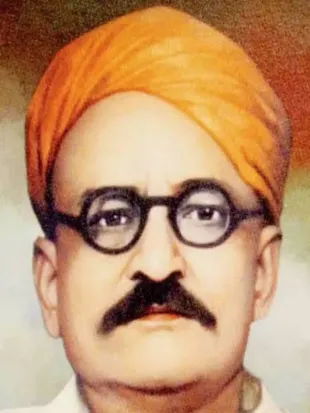
The story began in 1937 in Bikaner, Rajasthan, when Ganga Bhishen Agarwal, known as Haldiram Ji, started a small shop selling sweets and namkeen.
The interesting part is that the business did not begin with a sophisticated marketing plan. It began with a product made differently and tasting distinctive enough for people to remember it.
One of the earliest lessons in the Haldiram’s story was that even a traditional product could be turned into a brand through differentiation.
Ganga Bhishen refined the local bhujia by using moth dal and making the strands thinner, creating a product that stood apart from existing versions. He even gave it a distinct identity by associating it with Maharaja Dungar Singh of Bikaner, selling it as Dungar Sev and charging more than competing products.
That decision was important because Haldiram’s was not simply selling namkeen anymore. It was selling a recognisable version of namkeen with a name, a story and a consistent taste. In modern marketing language, this was an early example of turning a largely unbranded commodity into a differentiated consumer product.
The marketing power of a product people could remember
For years, Haldiram’s biggest marketing tool was the product itself.
The company grew through taste, repeat purchases, word of mouth and visibility at its stores rather than depending heavily on mass advertising. This was especially effective for a category where consumers often discover a snack through family members, retailers or someone bringing a packet home.
The brand also understood something important about Indian consumption. Namkeen was not limited to one occasion. It could accompany tea, be served to guests, travel across cities, appear during festivals, or simply sit in a household kitchen for an evening snack.
Haldiram’s gradually positioned its products around these everyday and social occasions instead of treating namkeen as just another packaged food.
Packaging then became an important part of the transformation.
Better production and packaging technology helped extend the shelf life of namkeen from less than a week to several months around the 1990s. That changed the economics of the category because a product that could travel and remain stable for longer could move beyond the local sweet shop and enter national retail and export markets.
The expansion that changed Haldiram’s forever
The next major marketing move was geographical expansion. Haldiram’s moved beyond Bikaner into Kolkata, Nagpur and Delhi, with different family branches building businesses in different regions. Nagpur became particularly important under Shiv Kishan Agarwal, while the Delhi business expanded under the family’s other branch.
The Kolkata expansion itself has become part of the brand’s business folklore. A visit to Kolkata for a wedding reportedly gave the family the idea of opening a shop there.
Instead of waiting for customers to discover the Bikaner product, the business took the product closer to a new consumer market. This became a recurring theme in Haldiram’s growth strategy: take familiar Indian food into places where consumers already have an appetite for it.
The family structure was complicated, with separate businesses operating under the Haldiram name across regions. Yet the consumer often experienced the brand as one recognisable identity. That created an unusual situation in which family divisions competed and expanded independently while collectively strengthening the Haldiram’s name in the minds of consumers.
From bhujia brand to a full Indian food portfolio
Haldiram’s did not remain dependent on bhujia. It expanded into sweets, regional snacks, ready-to-eat foods, frozen products, bakery items, beverages and restaurant formats. Today, its official online store includes categories ranging from sweets and savouries to ready-to-eat, ready-to-cook, bakery products, beverages, dry fruits and gifting.
Some of the most recognisable products include Bikaneri Bhujia, Aloo Bhujia, Kaju Katli, Soan Papdi, Gulab Jamun and Rasgulla.
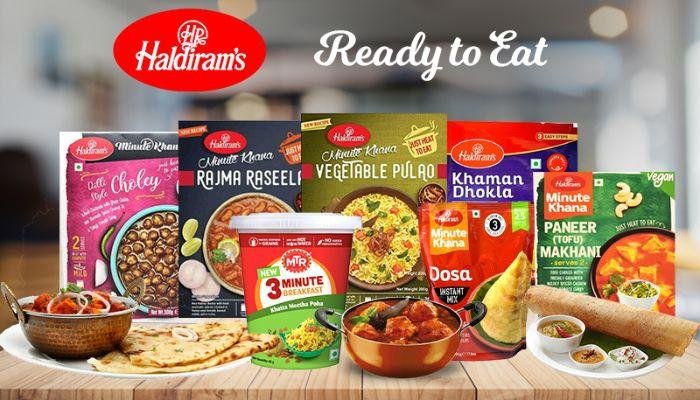
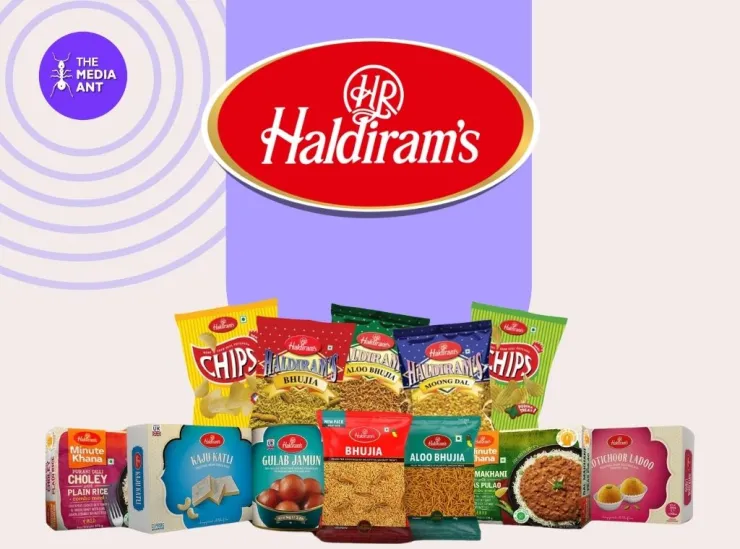
The importance of this portfolio is not simply that Haldiram’s sells more products. Each category gives the brand another reason to enter a consumer’s home, another occasion to purchase and another opportunity to compete with local and national food brands.
The company also used restaurants as a marketing channel.
Haldiram’s outlets allowed consumers to experience the brand beyond packaged products, connecting snacks and sweets with chaat, meals and Indian dining. This helped the brand move from being something consumers bought from a shelf to something consumers could visit as a food destination.
How Haldiram’s marketed without looking like a traditional FMCG brand
Haldiram’s early promotion was relatively low-key, relying heavily on retail visibility, packaging and word of mouth.
As competition increased, the brand began using print advertising, posters, brochures and outdoor media, including visibility around transport locations. Its communication focused on taste, variety and the idea that Haldiram’s could fit naturally into Indian celebrations and hospitality.
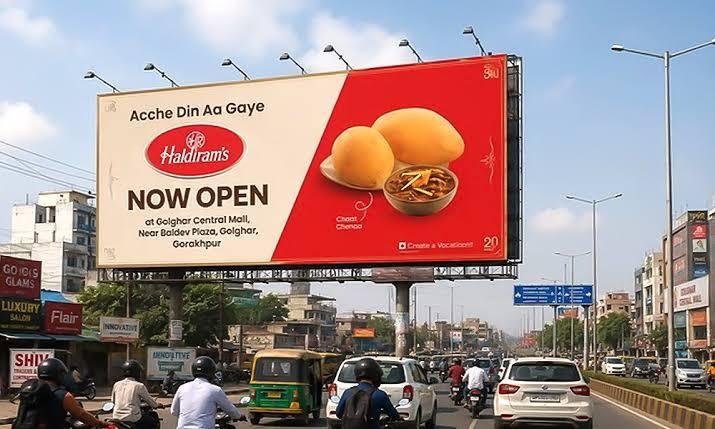
This was a useful marketing choice because Haldiram’s did not need to invent an emotional territory from scratch. Indian food already came with emotion. Family, festivals, guests, travel and celebration were built into the category itself. Instead of forcing an artificial brand story onto its products, Haldiram’s could simply associate its products with occasions consumers already understand.
The brand has also moved into digital content and commerce.
Its current online presence includes direct shopping, gifting, wedding hampers, corporate gifting and curated festive collections. It also publishes recipes that show consumers how products such as bhujia, rasgulla, and soan papdi can be used in new dishes, turning packaged products into both ingredients and snacks.
Gifting became another growth engine
One of the more interesting extensions of the Haldiram’s brand is gifting.
Indian sweets have always been connected with festivals and social occasions, but branded packaging allowed Haldiram’s to make the category more convenient and presentable. The company now actively organises its gifting business around occasions such as weddings, festivals and corporate gifting.
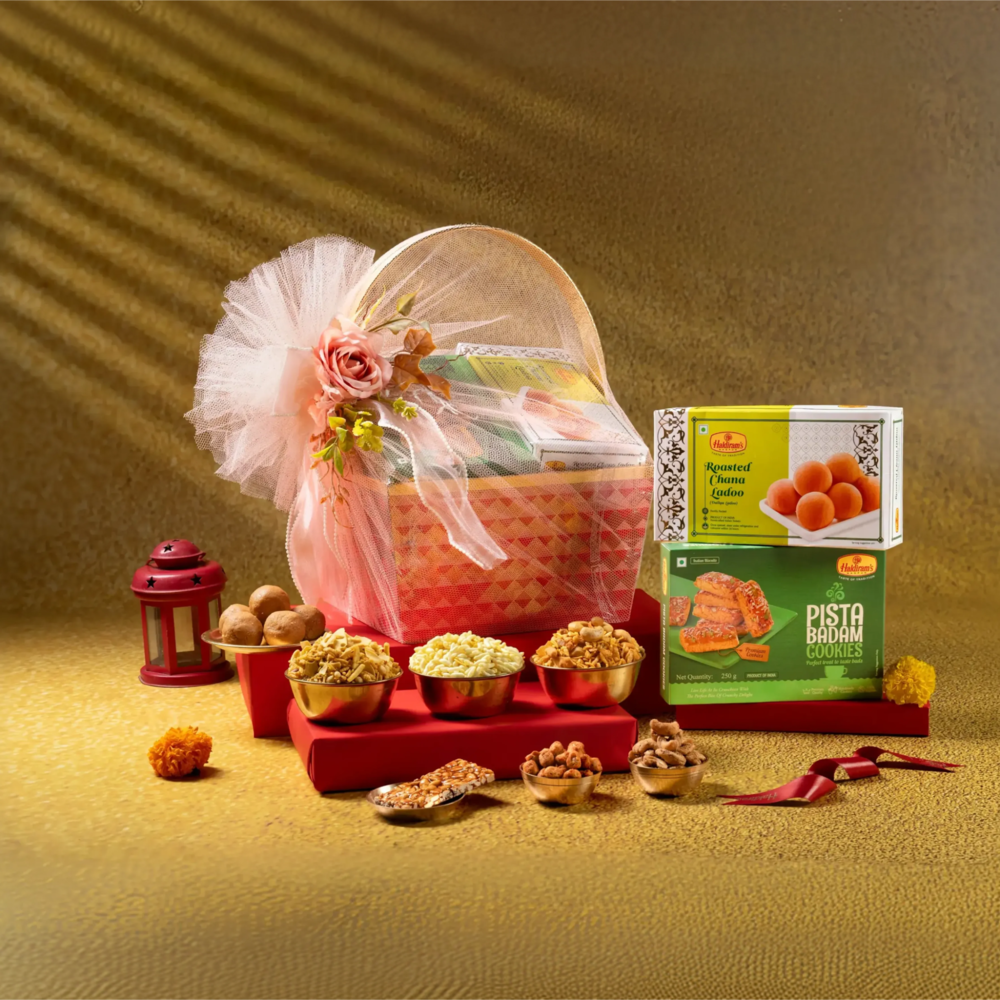
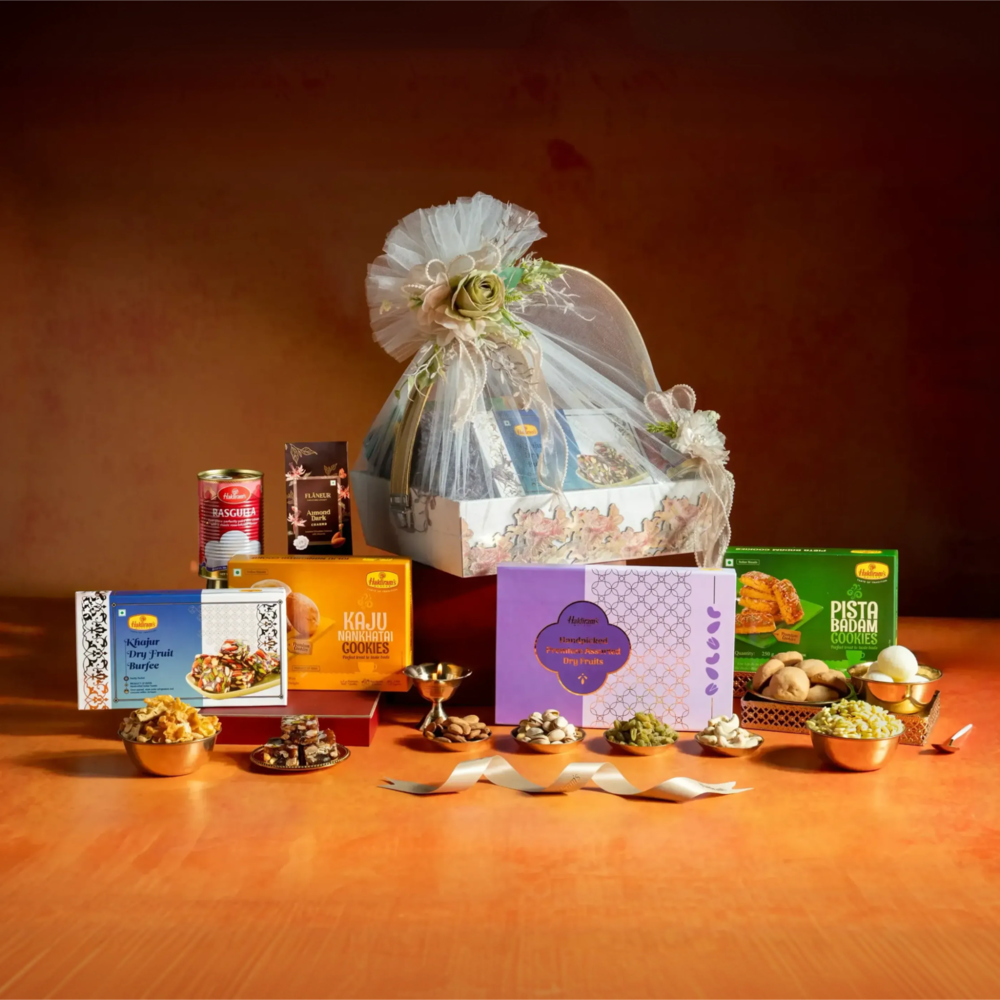
This is more than a packaging exercise.
Gifting increases the number of people who experience the product because the buyer and consumer are not always the same person. A box bought for a family member, colleague or business partner can introduce the brand to another household and create another potential customer.
Why the Haldiram’s brand has lasted
The biggest strength of Haldiram’s is that it has modernised the business without making the brand feel disconnected from its roots. Production became more organised, packaging became more sophisticated, distribution expanded and the portfolio grew, but bhujia remained central to the identity.
The brand still uses the language of tradition even while selling through modern retail and digital commerce.
That balance explains much of its legacy.
Haldiram’s did not try to make Indian snacks look foreign or overly premium.
Instead, it took foods that Indians already loved and made them more consistent, portable, scalable and recognisable. That may be one of the clearest lessons from the Haldiram’s marketing strategy: sometimes the strongest brand strategy is not to change what people love, but to make it easier for more people to access it.
Haldiram’s legacy and the next chapter
Haldiram’s has now moved far beyond the small Bikaner shop that started in 1937. In 2025, Haldiram Snacks Food sold a 10 percent stake to Temasek at a reported valuation of about 10 billion dollars, while the Delhi and Nagpur businesses moved toward a merger.
The developments show how a family-built food business is entering a more institutional phase without losing the brand name that created its value.
BrandBeats’ Take
Haldiram’s shows how a simple Indian snack can become a lasting brand through product differentiation, strong distribution, packaging and word of mouth. Its legacy comes from taking familiar Indian flavours beyond Bikaner and turning them into products that travel across cities, generations and markets. The brand’s biggest strength has been evolving with consumers without losing its connection to Indian food culture.
FAQs
- When was Haldiram’s founded?
Haldiram’s was founded in 1937 in Bikaner, Rajasthan, by Ganga Bhishen Agarwal, popularly known as Haldiram Ji.
- What is Haldiram’s famous for?
Haldiram’s is best known for its bhujia, namkeen, Indian sweets and packaged snacks.
- What was Haldiram’s first product?
The brand’s early success came from its distinctive bhujia, which was made thinner and with moth dal to create a different taste and texture.
- How did Haldiram’s become popular?
Haldiram’s grew through product quality, word of mouth, retail presence, packaging, and expansion into new cities.