

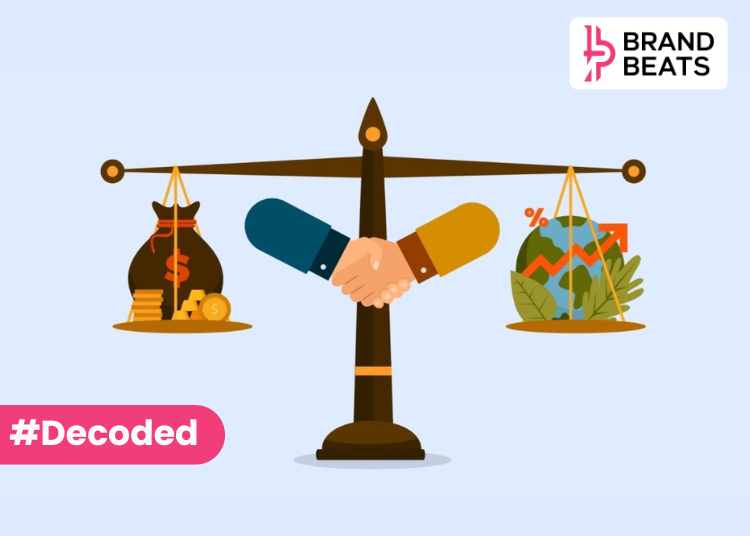
A consumer walks into a store looking for a shirt. On one rack, there are two almost identical options. One is cheaper. The other comes with a story: handwoven fabric, artisan-made, responsibly sourced, less waste, or packaging designed to be reused.
The product is no longer being evaluated only on price, quality or design. The consumer is also being asked a psychological question, “What does my choice say about me?”
That is where ethical consumption marketing enters the picture.
Ethical consumption refers to purchasing decisions influenced by concerns beyond personal utility including environmental impact, labour conditions, animal welfare, community welfare, fair trade, responsible sourcing and social impact. For marketers, this creates an interesting opportunity: instead of presenting responsibility as something separate from the product, brands can make it part of the product’s value proposition.
But ethical consumption is not simply about putting a green leaf on a package or saying “sustainable” in an advertisement.
The psychology is much more complicated.
Research has consistently found an attitude-behaviour gap: consumers may support ethical or environmentally responsible ideas but still not translate those beliefs into actual purchases. Price, convenience, availability, habits and uncertainty about claims can all interfere between intention and action.
So, how do brands close that gap?
1. They Make The Consumer Feel Like Their Purchase Has Meaning
One of the strongest psychological mechanisms behind ethical consumption is self-identity. Consumers don’t only buy products for what they do. They also use products to express who they are or who they want to be.
A purchase of an artisan-made garment, for example, can become more than a fashion decision. It can signal an appreciation for craft, local communities or conscious consumption.
This gives brands an important marketing opportunity:
Instead of saying: “Buy this because it is sustainable.”
The stronger psychological proposition can be: “This is the kind of choice people like you make.”
The first communicates a product attribute.
The second connects the product to identity.
For example: Fabindia Turns The Product Into A Story About People


Fabindia is a useful Indian example of this approach.
The brand’s proposition has historically been closely linked with Indian crafts, artisans and traditional production. Its own corporate material traces the company’s mission to providing a platform for rural artisans and creating sustainable employment while preserving traditional handicrafts.
That changes how the product can be perceived. A saree is no longer simply a saree.
It can become a piece of Indian craft, a connection to an artisan community and a purchase that supports a particular production ecosystem. That is psychologically powerful because it adds meaning to utility.
The consumer is not merely buying an object; they are buying into a story.
2. Ethical Marketing Uses “Moral Signalling”
There is another layer to this. People often want their choices to reflect their values in the eyes of others. Ethical products can therefore become a form of social signalling.
Carrying a reusable bottle, choosing second-hand fashion or buying locally made products can communicate something about a person’s priorities.
But this is where ethical marketing can become tricky. If a brand makes consumers feel that one purchase has completely “solved” their environmental responsibility, it can create what psychologists call moral licensing.
The idea is simple “I did something good, so I can afford to be less responsible elsewhere.”
Recent research has examined how sustainable brand communication can potentially trigger this effect when it frames a purchase as a completed moral achievement or gives consumers a strong “sustainable person” identity.
However, the evidence is not one-directional. Other research has failed to replicate some earlier claims about green consumption automatically producing subsequent unethical behaviour.
That distinction matters.
Ethical marketing should therefore encourage continued behaviour, rather than suggest that one purchase earns consumers a moral free pass.
Example: Suta Makes The Consumer Part Of The Sustainability Story

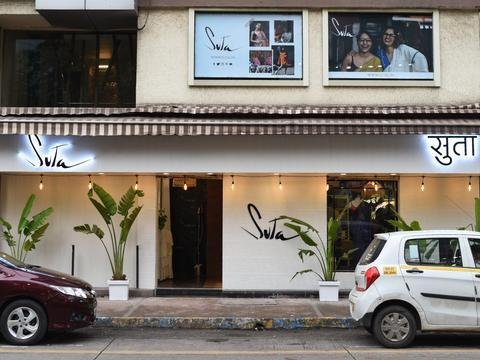
Indian fashion brand Suta provides another interesting example.
The brand connects its products with handloom and artisan communities and says it works with thousands of weavers and artisans across India. Its sustainability initiatives include Suta Earth, through which customers can send old sarees to be repurposed into packaging bags and receive a discount on a subsequent purchase.
From a marketing psychology perspective, this is interesting because the consumer isn’t simply buying an ethical product.
The consumer is being given something to do. That changes the psychological relationship with the brand.
3. Brands Reduce The “Ethical Premium” Problem
One of the biggest obstacles to ethical consumption is the gap between what consumers believe and what they are willing to sacrifice.
Consumers may want sustainable products. But when the ethical option costs significantly more, requires extra effort or is less convenient, intentions can weaken. This is one reason why ethical marketing cannot rely entirely on morality. The product still needs to be good. It needs to offer quality, design, convenience, performance or value alongside its ethical credentials.
Example: ITC Shows How Purpose Can Move Beyond A Single Product
ITC offers another Indian example of how brands can connect consumption with wider social and environmental narratives.
The company’s portfolio includes initiatives across brands such as Aashirvaad, Sunfeast YiPPee!, Savlon, Classmate and Mangaldeep, covering areas including recycled materials, waste management, hygiene, education and inclusion. ITC says several of its brands use their market presence to encourage awareness and behavioural change around social and environmental issues.
One example is Sunfeast YiPPee!’s Terra initiative, which turns post-consumer YiPPee! wrappers into lifestyle products such as tote bags, laptop sleeves and stationery pouches.
The psychological idea here is tangibility. “Reduce plastic waste” is an abstract promise. “Your waste can become something useful” is easier to visualise. When brands make impact concrete, consumers have something they can understand, remember and potentially participate in.
This is where brands need to be careful. Ethical consumption marketing works because consumers increasingly care about the consequences of their choices. But the same psychology can be exploited. A brand can use earthy colours, nature imagery, words like “conscious” and “responsible” and still offer very little evidence behind the claim.
That is where greenwashing becomes a problem. Recent research reviewing green marketing in FMCG highlights consumer trust and the credibility of green claims as major issues, particularly as concerns around greenwashing increase.
The lesson for marketers is straightforward:
Don’t market the appearance of ethics. Market the evidence of it.
So, What Is The Psychology Behind Ethical Consumption Marketing?
At its core, ethical consumption marketing works by connecting a purchase with something bigger than the purchase itself.
It can appeal to:
- Identity: “This choice reflects who I am.”
- Moral responsibility: “My choice can contribute to something better.”
- Social signalling: “This says something about my values.”
- Emotional reward: “Buying this makes me feel good.”
- Participation: “I can personally be part of the change.”
- Trust: “I believe the brand can prove its claim.”
- Efficacy: “My small action can actually make a difference.”
But the most effective brands don’t stop at making consumers feel good. They make responsible behaviour easy, credible and rewarding.
That distinction matters because consumers are not perfectly rational ethical shoppers. They have budgets, habits, convenience needs and competing priorities. The long-standing intention-behaviour gap exists precisely because caring about an issue does not automatically translate into changing behaviour.